
Cold-pressed body oils are nutrient-dense plant oils extracted without heat or chemical solvents, preserving the vitamins, antioxidants, and fatty acids that directly improve skin hydration, elasticity, and barrier function. The benefits of cold-pressed body oils go far beyond basic moisturizing. A 2026 randomized controlled trial confirmed that cold-pressed botanical oils significantly increase skin hydration and reduce transepidermal water loss over 28 days. Chemical refining, by contrast, destroys up to 98% of polyphenols, 55% of vitamin E, and 75% of carotenoids. That level of nutrient loss means refined oils simply cannot deliver the same skin health results.
1. Benefits of cold-pressed body oils for skin hydration
Skin hydration is the most immediate and measurable benefit of cold-pressed oils. A 2026 RCT found that organic emollient moisturizers using cold-pressed botanical oils increased skin hydration from 7.94 to 50.49 arbitrary units over 28 days in adults aged 18–45. That is a more than sixfold improvement, which no standard synthetic lotion in the same study matched.
Cold-pressed oils work by forming a lipid-rich film over the stratum corneum, the outermost skin layer. This film slows transepidermal water loss without blocking pores. The essential fatty acids in the oil also integrate into the skin’s natural lipid matrix, reinforcing the barrier from within rather than just coating the surface.

Synthetic moisturizers often rely on humectants like glycerin or occlusives like petrolatum to trap water. Cold-pressed oils do both jobs simultaneously while also delivering bioactive compounds. That dual action makes them more efficient per application.
Pro Tip: Apply cold-pressed oil to slightly damp skin immediately after a shower. The oil locks in residual moisture and absorbs faster than on completely dry skin.
2. What nutrients make cold-pressed oils superior for skin?
The nutrient profile of cold-pressed oils is what separates them from refined alternatives. Chemical refining destroys up to 98% of polyphenols, 55% of vitamin E, and 75% of carotenoids. Each of those compounds plays a specific role in skin health.
Vitamin E is a fat-soluble antioxidant that neutralizes free radicals and supports skin cell repair. Vitamin A (as carotenoids) promotes cell turnover and reduces the appearance of fine lines. Vitamin K supports skin elasticity and reduces discoloration. Omega-3 and omega-6 fatty acids reduce inflammation and help maintain the skin’s natural moisture barrier.
Cold-pressed oils supply these nutrients in bioavailable form, meaning the skin can actually use them rather than just sitting on the surface. Refined oils lose most of these compounds during high-heat processing, leaving behind a neutral but largely inert product.
| Nutrient | Cold-pressed retention | Refined oil retention | Skin benefit |
|---|---|---|---|
| Polyphenols | High | Up to 2% remaining | Antioxidant, anti-inflammatory |
| Vitamin E | High | ~45% remaining | Cell repair, free radical defense |
| Carotenoids | High | ~25% remaining | Anti-aging, skin tone |
| Omega fatty acids | Fully preserved | Partially preserved | Barrier function, hydration |
The table above makes the tradeoff clear. Choosing a refined oil for skincare means accepting a product that has lost most of what made the source plant valuable in the first place.
3. Top cold-pressed oils and their unique skin benefits
Not all cold-pressed oils perform the same way on skin. Each oil has a distinct fatty acid profile, antioxidant content, and texture that makes it better suited for specific skin needs.
- Sesame oil: Retains sesamin and sesamol, two potent antioxidants largely lost during refining. These compounds protect skin from oxidative stress and give sesame oil strong anti-inflammatory properties. Its medium weight makes it suitable for normal to combination skin.
- Mustard oil: Contains allyl isothiocyanate, a natural antimicrobial compound preserved only in cold-pressed versions. It is also rich in omega-3 fatty acids, making it useful for dry or inflamed skin. Its warming effect also makes it a popular choice for massage.
- Macadamia oil: High in unsaturated fatty acids and squalene, a lipid naturally found in human sebum. Squalene absorbs quickly and mimics the skin’s own oils, making macadamia oil excellent for aging or very dry skin.
- Virgin coconut oil (cold-pressed): Retains polyphenols and medium-chain fatty acids that refined coconut oil loses. It has natural antimicrobial properties and works well as an overnight treatment for rough or cracked skin.
- Groundnut oil: Offers a favorable fatty acid profile with high oleic acid content and antioxidant compounds that support oxidative stability and skin nourishment.
Pro Tip: Match the oil to your skin type. Macadamia and sesame oils suit dry or mature skin. Mustard oil works well for body massage on normal skin. Virgin coconut oil is best used as a targeted treatment rather than an all-over daily oil if you have oily or acne-prone skin.
4. How cold-pressed oils protect against aging and inflammation
Cold-pressed oils deliver antioxidant protection that directly slows visible skin aging. Free radicals from UV exposure, pollution, and stress break down collagen and elastin. The polyphenols and vitamin E in cold-pressed oils neutralize those free radicals before they cause structural damage.
Polyphenols and essential fatty acids in cold-pressed oils also reduce chronic low-grade skin inflammation, which accelerates aging and worsens conditions like eczema and psoriasis. Omega-3 fatty acids in particular suppress pro-inflammatory signaling pathways in skin cells. This is why regular use of cold-pressed oils can visibly reduce redness and improve skin tone over time.
Vitamins A, E, and K work together to promote skin cell renewal and improve elasticity. Vitamin A drives cell turnover, vitamin E protects new cells from oxidative damage, and vitamin K supports the connective tissue that keeps skin firm. Cold-pressed oils deliver all three in a single application.
5. How to use cold-pressed body oils effectively
Getting the most from cold-pressed oils requires more than just applying them. Timing, layering, and storage all affect how well they perform.
- Apply to damp skin. Skin absorbs oil faster when slightly wet. Post-shower application is the most effective window.
- Use a small amount. Two to three drops warmed between the palms covers a large area. Excess oil sits on the surface and feels greasy rather than absorbing.
- Layer correctly. Apply oil after water-based serums and before any occlusive cream if you use one. Oil seals in the water-based layers underneath.
- Use as a massage medium. Cold-pressed oils work well as massage oils because they provide slip without evaporating quickly. Combining massage with oil application improves circulation and absorption simultaneously.
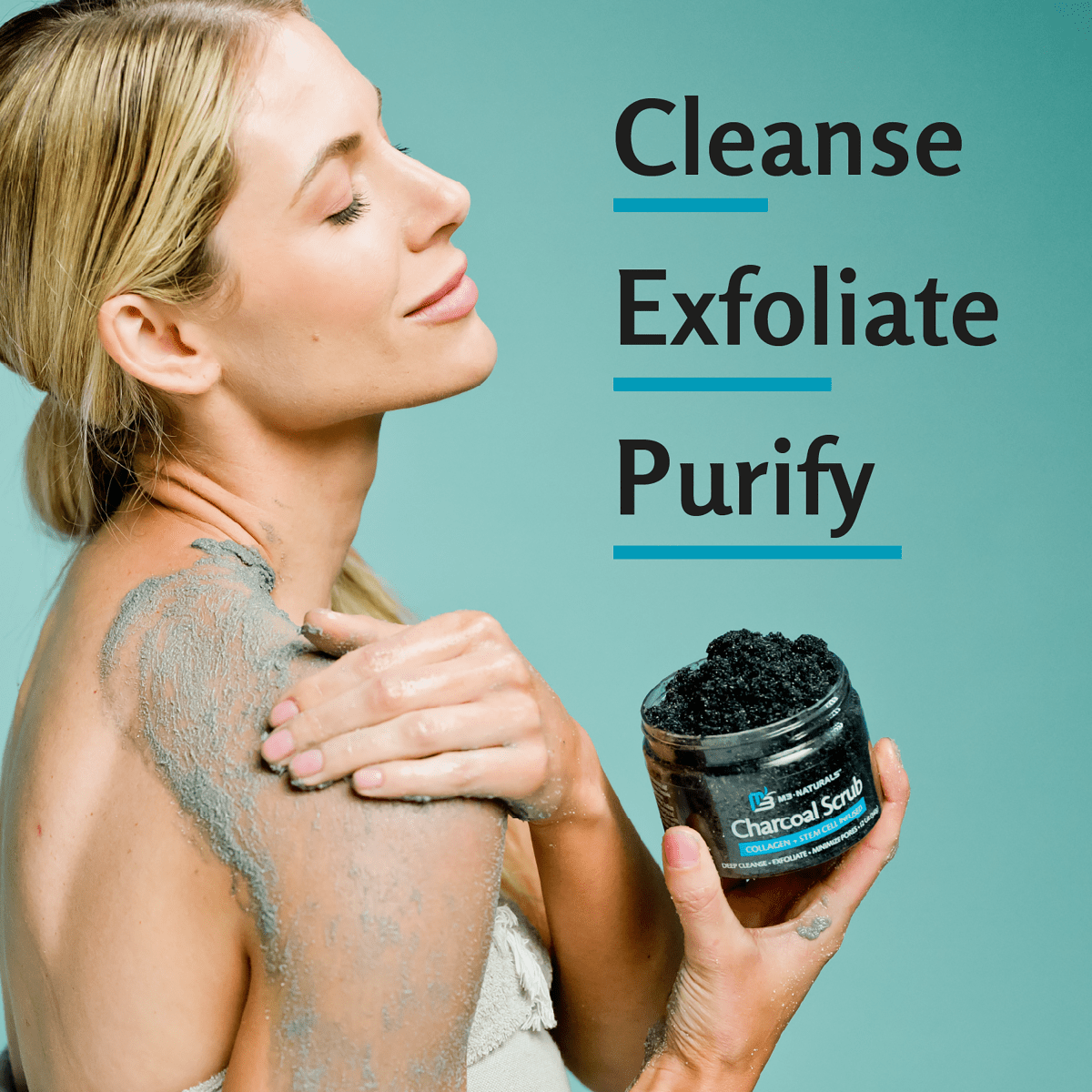
- Pair with a body scrub. Exfoliating before oil application removes dead skin cells that block absorption. Using a natural body scrub first means the oil reaches fresh, receptive skin.
Storage matters more with cold-pressed oils than with refined ones. Because they contain no synthetic preservatives, cold-pressed oils have a shorter shelf life and are sensitive to light and heat. Store them in dark glass bottles away from direct sunlight. Most cold-pressed oils stay fresh for three to twelve months depending on the oil type.
Pro Tip: Buy cold-pressed oils in smaller quantities more frequently rather than large bottles that sit open for months. Oxidized oil loses its nutrient value and can irritate skin.
6. Cold-pressed oils vs. synthetic moisturizers: what the research shows
The clinical evidence now clearly favors cold-pressed oils for skin barrier improvement. Organic emollient moisturizers using cold-pressed botanical oils outperformed synthetic emollients in a 2026 randomized controlled trial measuring both hydration and transepidermal water loss. That is not a marginal difference. It reflects a fundamental gap in bioactive content.
Synthetic moisturizers are formulated for shelf stability, neutral fragrance, and broad consumer appeal. Those goals require processing that removes or replaces natural compounds. Cold-pressed oils retain the full spectrum of bioactive compounds that naturally improve skin hydration and glow without synthetic substitutes.
The tradeoff is real. Cold-pressed oils cost more, require careful storage, and have a shorter usable life. For people who want maximum antioxidant and nutrient delivery, those tradeoffs are worth accepting. For everyday convenience, refined oils or synthetic products remain easier to manage.
Key takeaways
Cold-pressed body oils outperform refined oils and synthetic moisturizers for skin hydration, antioxidant protection, and barrier repair because they preserve the full nutrient profile that heat and chemical processing destroy.
| Point | Details |
|---|---|
| Hydration improvement | A 2026 RCT showed skin hydration increased more than sixfold over 28 days using cold-pressed botanical oils. |
| Nutrient retention | Cold pressing preserves up to 98% more polyphenols and significantly more vitamin E and carotenoids than refining. |
| Oil selection matters | Match the oil to your skin type: macadamia for dry or aging skin, sesame for antioxidant protection, virgin coconut for targeted treatment. |
| Application technique | Apply to damp skin in small amounts after exfoliating for maximum absorption and barrier benefit. |
| Storage is critical | Store cold-pressed oils in dark glass away from heat and use within three to twelve months to preserve nutrient quality. |
What I’ve learned from switching to cold-pressed oils
The first thing I noticed when I switched from a standard body lotion to a cold-pressed sesame oil was how quickly my skin stopped feeling tight after a shower. Within two weeks, the rough patches on my elbows were visibly softer. That kind of result is hard to attribute to placebo when the science backs it up so clearly.
The honest tradeoff is cost and convenience. A quality cold-pressed oil costs more per ounce than a drugstore lotion, and you will need to replace it more often. But you are also getting a product that has not been stripped of everything that made the source plant worth using in the first place. Refined oils and synthetic moisturizers are engineered for shelf life and mass appeal, not for maximum skin benefit.
My advice: start with one oil that matches your primary skin concern. If your skin is dry and aging, try macadamia. If you want antioxidant protection, sesame is a strong choice. Buy a small bottle, store it properly, and use it consistently for four weeks before judging the results. The research supports patience here. The 2026 trial ran for 28 days for a reason.
— SuperNatural
M3naturals’ natural oils for skin that actually work
M3naturals formulates its body and massage oils with natural, cold-pressed ingredients that preserve the bioactive compounds your skin needs. The collection includes targeted options for hydration, muscle recovery, and skin firming, all built on the same nutrient-retention principles this article covers.

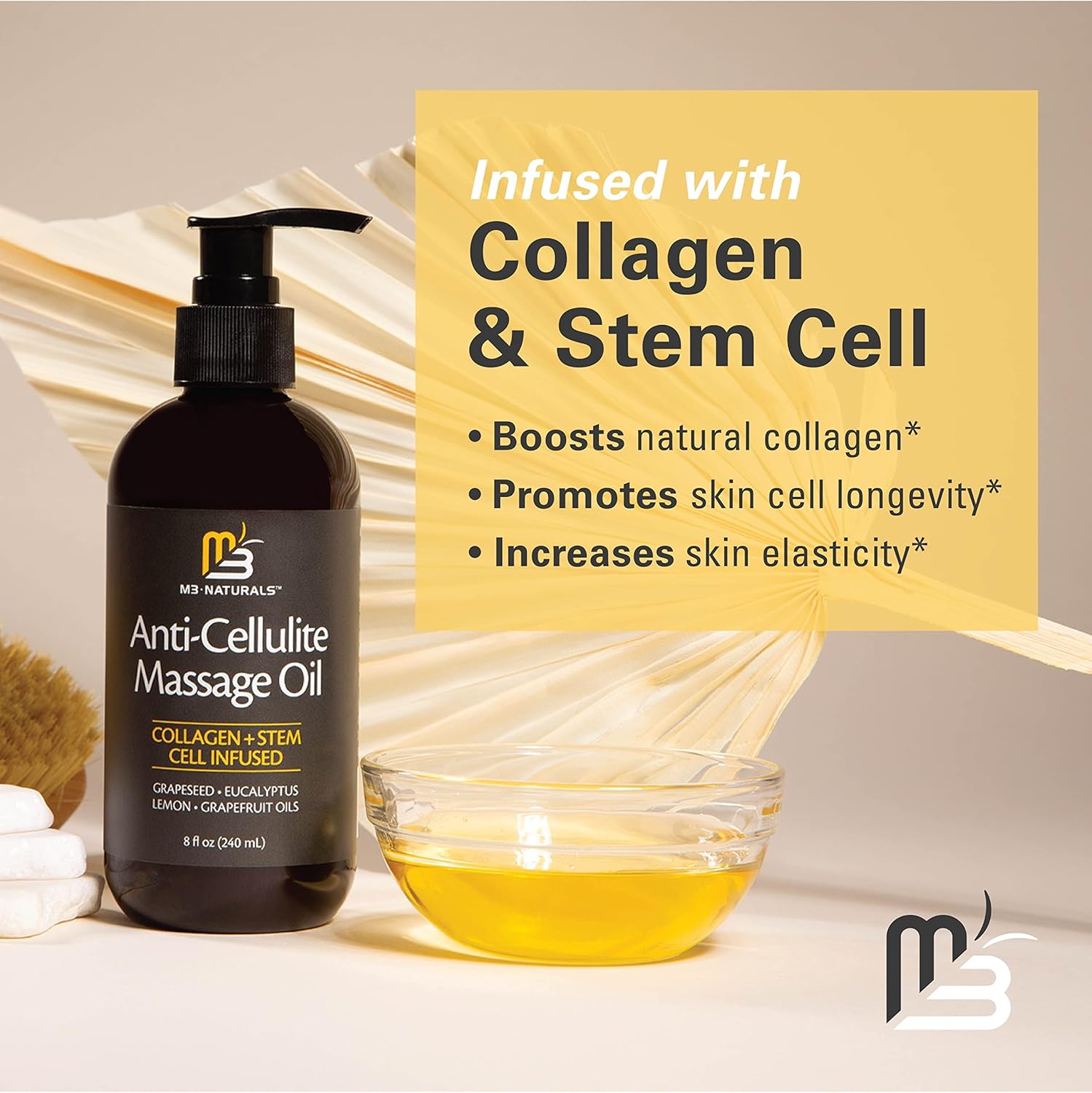
The M3naturals massage oil collection includes options like the Ylang Ylang & Ginger Massage Oil, which combines cold-pressed botanicals with warming aromatics for both skin nourishment and relaxation. For a complete routine, pair any massage oil with an M3naturals body scrub to exfoliate first and maximize oil absorption. Every product is crafted from ethically sourced natural ingredients with no unnecessary processing.
FAQ
What are cold-pressed body oils?
Cold-pressed body oils are plant-based oils extracted using mechanical pressure without heat or chemical solvents. This process preserves vitamins, polyphenols, and fatty acids that heat-based extraction destroys.
Are cold-pressed oils better than regular moisturizers?
A 2026 randomized controlled trial showed cold-pressed botanical oils significantly outperformed synthetic emollients for skin hydration and barrier repair over 28 days. They deliver bioactive nutrients that synthetic formulas cannot replicate.
How long do cold-pressed oils last?
Cold-pressed oils typically stay fresh for three to twelve months depending on the oil type. Store them in dark glass bottles away from heat and light to preserve their nutrient content.
Which cold-pressed oil is best for dry skin?
Macadamia oil is the strongest choice for dry or aging skin because it is high in squalene and unsaturated fatty acids that closely mimic the skin’s natural sebum. Virgin cold-pressed coconut oil works well as an overnight treatment for very dry or cracked areas.
Can cold-pressed oils cause breakouts?
Most cold-pressed oils are non-comedogenic or mildly comedogenic, meaning they are unlikely to clog pores for most skin types. Virgin coconut oil has a higher comedogenic rating and is better used as a targeted treatment rather than an all-over daily oil for oily or acne-prone skin.