
Natural skincare is defined as products formulated with plant-derived, mineral, or botanical ingredients that undergo minimal processing. Synthetic skincare uses lab-engineered molecules designed for targeted, consistent effects on the skin. The choice between them is not about which category is safer or more effective by default. It depends on formulation quality, clinical evidence, and your skin’s specific needs. The global natural skincare market is growing at a CAGR of 8.5%, outpacing synthetic sector growth of 4.2%. That gap reflects consumer demand, not a verdict on which approach works better. This natural vs synthetic skincare comparison will give you the facts to decide for yourself.
What are the key differences between natural and synthetic skincare?
Natural skincare draws from ingredients like coconut oil, turmeric, charcoal, lavender, and other botanical extracts. Synthetic skincare relies on lab-created molecules such as retinoids, hyaluronic acid, and peptides, which are engineered for stability and precision. The industry term for evaluating both is “cosmetic ingredient safety substantiation,” and it applies equally to both categories under current U.S. law.
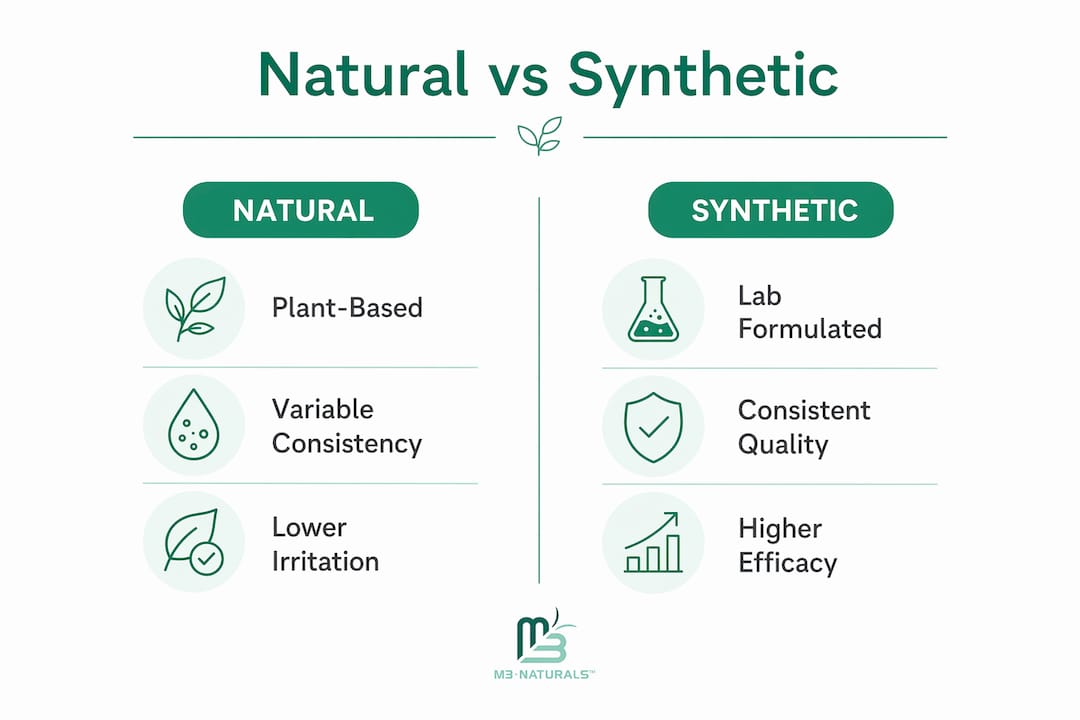
The biggest practical difference is consistency. Synthetic ingredients provide a consistent molecular structure that allows for precise formulation and predictable clinical outcomes. Natural ingredients, by contrast, vary in potency from batch to batch depending on harvest conditions, soil quality, and processing methods.

This does not make natural ingredients inferior. It means they require more careful sourcing and formulation to deliver reliable results. Brands that invest in ethically sourced ingredients and rigorous quality control can close that consistency gap significantly.
How does efficacy compare between natural and synthetic ingredients?
Clinical data shows a measurable performance gap in specific conditions. Synthetic tretinoin creams at 0.1% yield a 65–80% improvement in photoaging, compared to 45–60% from 5% tea tree oil. That is a 15–30 percentage point difference in outcomes for the same skin concern. For people managing active acne or significant sun damage, that gap matters.
Tea tree oil does have one advantage in that comparison. It produces a lower irritation incidence than benzoyl peroxide, a common synthetic acne treatment. This shows that the performance story is not one-sided. Natural ingredients can outperform synthetics on tolerability even when they fall short on raw efficacy.
Formulation stability also affects how well an ingredient actually works on your skin. A natural serum with a potent botanical extract may degrade before it reaches your skin at full strength. A synthetic active formulated with proper stabilizers delivers the same dose every time.
Pro Tip: When evaluating a product’s efficacy claims, look for clinical test results on the finished formula, not just the individual ingredient. A well-formulated natural product can outperform a poorly stabilized synthetic one.
| Ingredient type | Efficacy in photoaging | Irritation profile | Consistency |
|---|---|---|---|
| Synthetic (tretinoin 0.1%) | 65–80% improvement | Moderate irritation risk | High, batch-stable |
| Natural (tea tree oil 5%) | 45–60% improvement | Lower than benzoyl peroxide | Variable by harvest |
How do safety and skin reactions compare between natural and synthetic skincare?
The most persistent myth in skincare is that natural equals safe. Contact dermatitis occurs in over 94% of reactions to natural skincare products. That statistic alone dismantles the idea that plant-derived ingredients carry no risk. Allergy and irritation potential depend on molecular properties, not ingredient origin.
Synthetic ingredients are typically purified to remove the compounds most likely to trigger reactions. Both natural essential oils and synthetic ingredients can cause allergic responses, but the purification process in synthetic manufacturing reduces allergenicity in many cases. Lavender oil, for example, contains linalool and linalyl acetate, both known contact allergens, even though lavender is widely marketed as gentle.
Contamination is a separate and underappreciated risk in natural products. Up to 20% of herbal products sampled in studies contain undeclared steroids or heavy metals. These contaminants are not listed on labels and cannot be detected without third-party lab testing.
The FDA’s Modernization of Cosmetics Regulation Act (MoCRA) does not exempt natural products from safety standards. Every cosmetic brand, regardless of ingredient source, must substantiate safety and report adverse events. There is no legal definition for “natural” or “clean” beauty under MoCRA, which means those terms carry no regulatory weight.
Key safety practices for any skincare shopper:
- Always patch test a new product on your inner arm before applying it to your face.
- Read the full ingredient list, not just the front-of-package claims.
- Choose brands that publish third-party testing results.
- Report adverse reactions to the FDA’s MedWatch program.
- Treat “natural,” “plant-based,” and “clean” as marketing terms, not safety certifications.
What affects shelf life and environmental impact in natural vs synthetic products?
Shelf life is one of the starkest differences between the two categories. Natural skincare products generally last 6–12 months, while synthetic formulations typically remain stable for 24 or more months. That difference comes down to preservation chemistry and ingredient stability.
Natural oils and botanical extracts oxidize when exposed to air and light. Without synthetic preservatives or antioxidants, they degrade quickly. Many natural brands use vitamin E (tocopherol) or rosemary extract as natural preservatives, but these are less potent than synthetic options like phenoxyethanol. The result is a shorter window of effectiveness and a higher risk of microbial contamination in water-based natural formulas.
Environmental impact is more nuanced than most marketing suggests. Natural ingredients are often biodegradable, which sounds like a clear win. But large-scale botanical farming can involve significant water use, pesticide application, and land clearing. Synthetic ingredients, produced in controlled lab environments, sometimes carry a smaller ecological footprint per unit than their natural equivalents.
Pro Tip: Check the period-after-opening (PAO) symbol on your skincare packaging. It looks like an open jar with a number inside (e.g., “12M”). Natural products with short PAO windows should be stored away from light and heat to slow degradation.
How do you build a skincare routine that uses both effectively?
The most effective approach to skincare in 2026 is a hybrid one. Industry analysts recommend focusing on clinical evidence and skin compatibility rather than ingredient origin. A routine built around what your skin actually needs, supported by formulation science, will outperform one built around a label philosophy.
Here is a practical framework for building a hybrid routine:
- Identify your primary skin concern. Acne, hyperpigmentation, dryness, and aging each respond to different actives. Match the ingredient to the problem, not to a “natural” or “synthetic” preference.
- Anchor with evidence-backed actives. Retinoids, niacinamide, and hyaluronic acid are synthetic actives with strong clinical records. Bakuchiol, a natural retinol alternative, has emerging evidence for anti-aging with lower irritation.
- Layer natural botanicals for support. Ingredients like coconut oil, turmeric, and charcoal work well as complementary agents. They soothe, nourish, and protect without competing with your primary actives.
- Check formulation stability. A product is only as good as its delivery system. Look for opaque packaging, airless pumps, and clear expiration dates as signs of stability-conscious formulation.
- Prioritize ingredient transparency. Brands that publish full ingredient lists, sourcing details, and third-party test results give you the information you need to make real decisions.
Natural ingredient benefits are real and well-documented. The key is pairing them with the right synthetic actives and a formulation that keeps everything stable and effective.
Pro Tip: Introduce one new product at a time and wait two weeks before adding another. This makes it easy to identify which ingredient caused a reaction if one occurs.
Key Takeaways
The most effective skincare routine combines natural botanicals and synthetic actives based on clinical evidence and skin compatibility, not ingredient origin alone.
| Point | Details |
|---|---|
| Efficacy gap is real but context-dependent | Synthetic tretinoin outperforms tea tree oil in photoaging by 15–30 percentage points, but natural ingredients can win on tolerability. |
| Natural does not mean safe | Contact dermatitis appears in over 94% of natural skincare reactions; allergenicity depends on molecular properties, not plant origin. |
| Shelf life favors synthetics | Natural products last 6–12 months; synthetic formulations typically stay stable for 24 or more months. |
| “Natural” is a marketing term | FDA MoCRA provides no legal definition for “natural” or “clean” beauty; safety substantiation is required for all cosmetics equally. |
| Hybrid routines work best | Combining synthetic actives with natural botanicals, guided by clinical evidence, delivers the strongest results for most skin types. |
Why the natural vs synthetic debate misses the real point
After years of reading formulation science and watching marketing cycles, I have come to a firm conclusion. The debate between natural and synthetic skincare is largely a distraction. Brands on both sides use it to sell products, not to educate consumers.
The real question is never “Is this natural?” It is “Does this formula work, is it stable, and is it safe for my skin?” A poorly formulated natural product with contaminated botanicals is worse than a well-tested synthetic cream. A synthetic product loaded with unnecessary fragrance is worse than a clean botanical oil. Origin is a data point, not a verdict.
What I find most encouraging about 2026 is the regulatory shift. FDA MoCRA reforms are pushing brands toward greater transparency and accountability regardless of how they market themselves. That levels the playing field for consumers who are willing to read labels and ask hard questions.
My advice is to stop shopping by category and start shopping by formulation. Look for third-party testing, clear ingredient lists, and clinical evidence. Whether a product leans natural or synthetic matters far less than whether it was made with integrity and tested for your skin type. The brands worth trusting are the ones that make that information easy to find.
— SuperNatural
M3naturals products that put formulation first
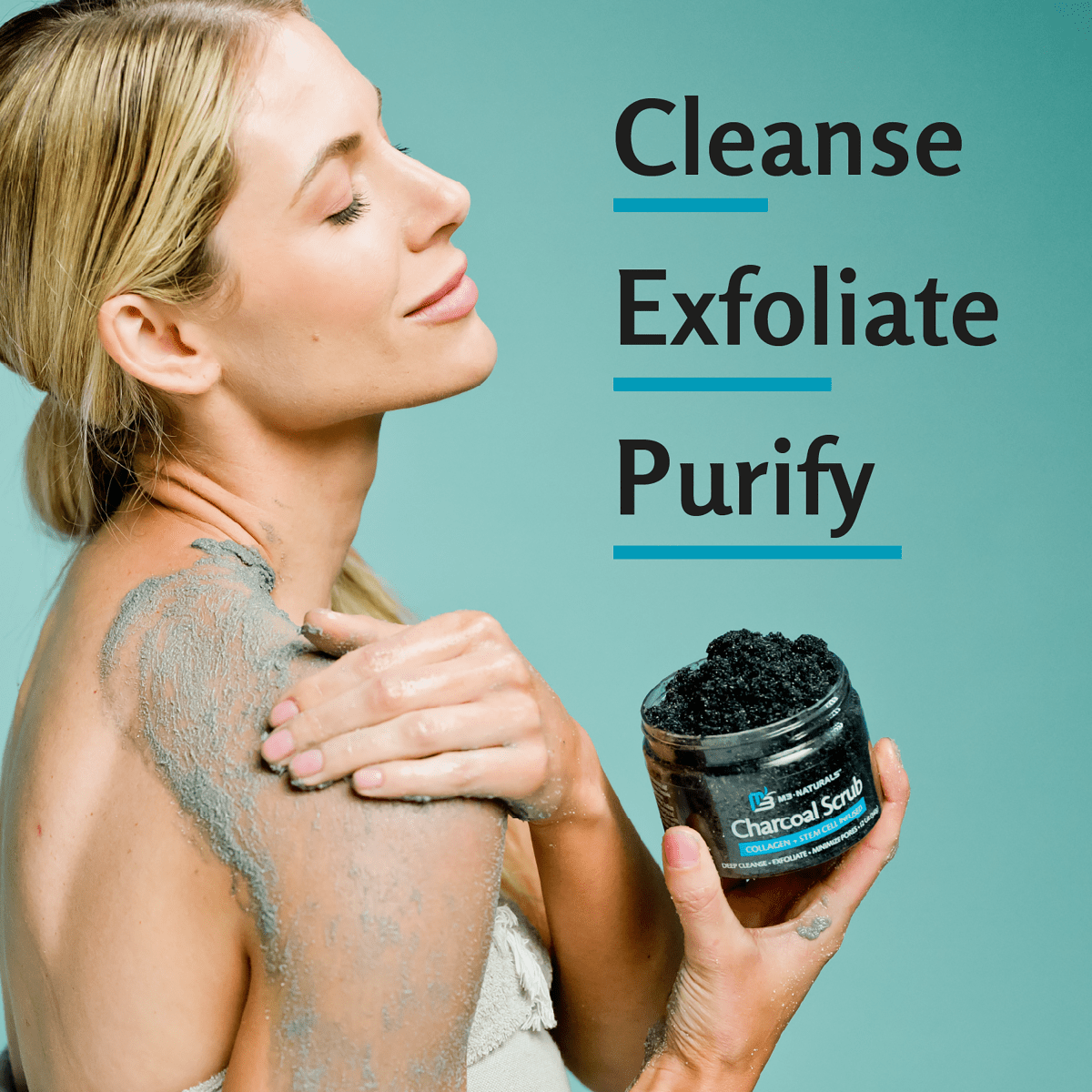
M3naturals builds its body care line around a principle that this article supports: ingredient origin matters, but formulation quality matters more. Every product in the M3naturals catalog uses ethically sourced botanicals like charcoal, coconut oil, turmeric, and lavender, paired with formulations designed for real skin results.
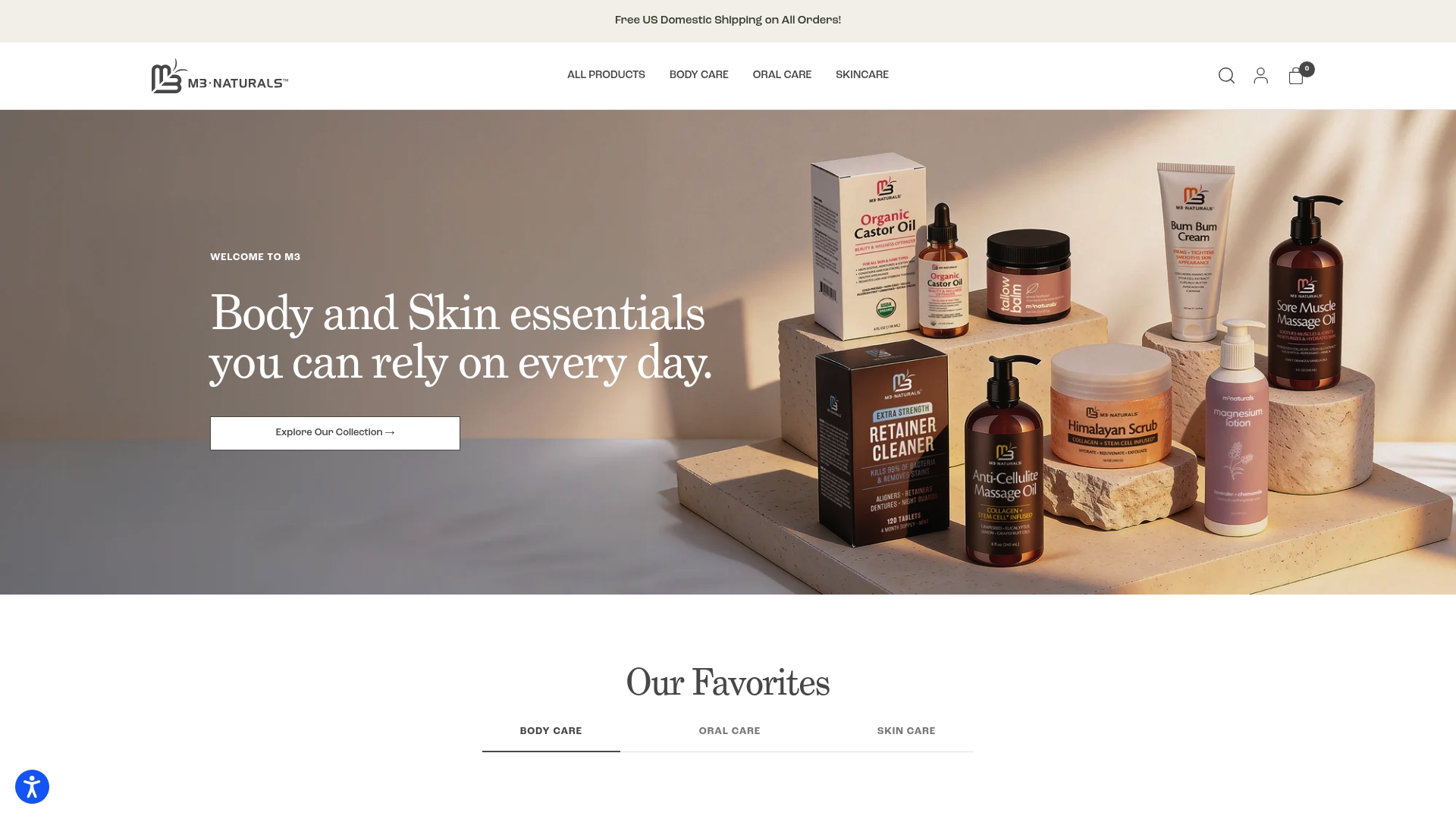
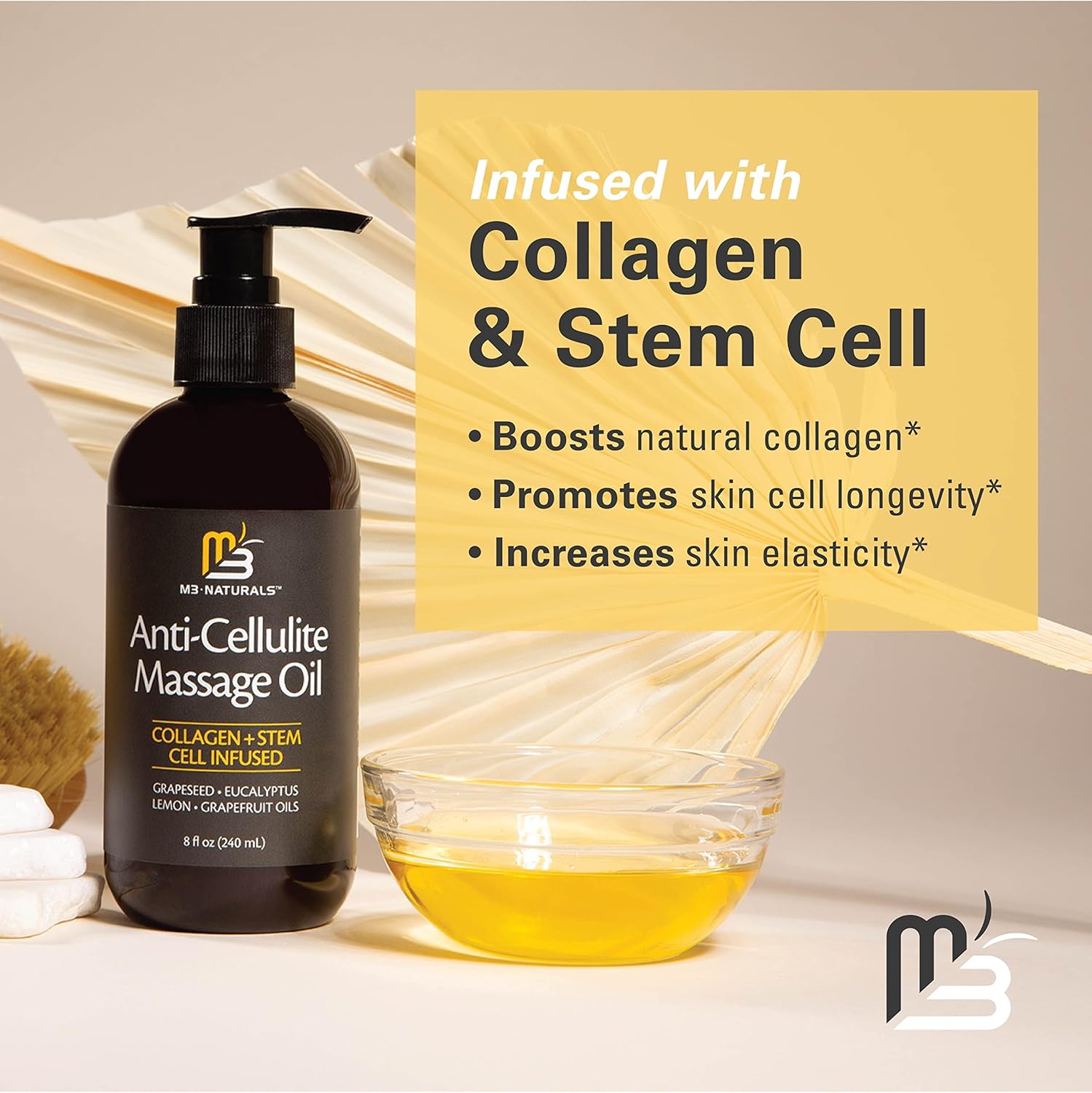
The M3naturals body scrubs collection combines natural exfoliants with skin-conditioning actives for a spa-quality experience at home. The massage oils range blends botanical extracts into stable, skin-compatible formulas that absorb well and deliver consistent results. Every product comes with full ingredient transparency so you can make an informed choice, not a marketing-driven one. Browse the full collection at M3naturals and find formulas that match your skin’s actual needs.
FAQ
Is natural skincare safer than synthetic skincare?
No. Contact dermatitis occurs in over 94% of reactions to natural skincare products, proving that plant-derived ingredients carry real allergy and irritation risks. Safety depends on formulation quality and individual skin chemistry, not ingredient origin.
Does the FDA regulate natural skincare differently from synthetic?
No. FDA MoCRA applies equally to all cosmetics regardless of ingredient source. There is no legal definition for “natural” or “clean” beauty, and all brands must substantiate safety and report adverse events.
What does “natural” mean on a skincare label?
“Natural” is a marketing term with no legal definition under FDA regulations. Terms like “plant-based” and “natural” can legally appear on products that contain synthetic preservatives and other lab-made ingredients. Always read the full ingredient list.
How long do natural skincare products last compared to synthetic ones?
Natural skincare products typically last 6–12 months after opening. Synthetic formulations generally remain stable for 24 or more months. The difference comes from preservation chemistry and the oxidation rate of botanical ingredients.
Can I use natural and synthetic skincare products together?
Yes, and hybrid formulations are what most dermatologists and formulators recommend. Combining synthetic actives like retinoids or niacinamide with natural botanicals like bakuchiol or coconut oil lets you target specific concerns while supporting overall skin health.