
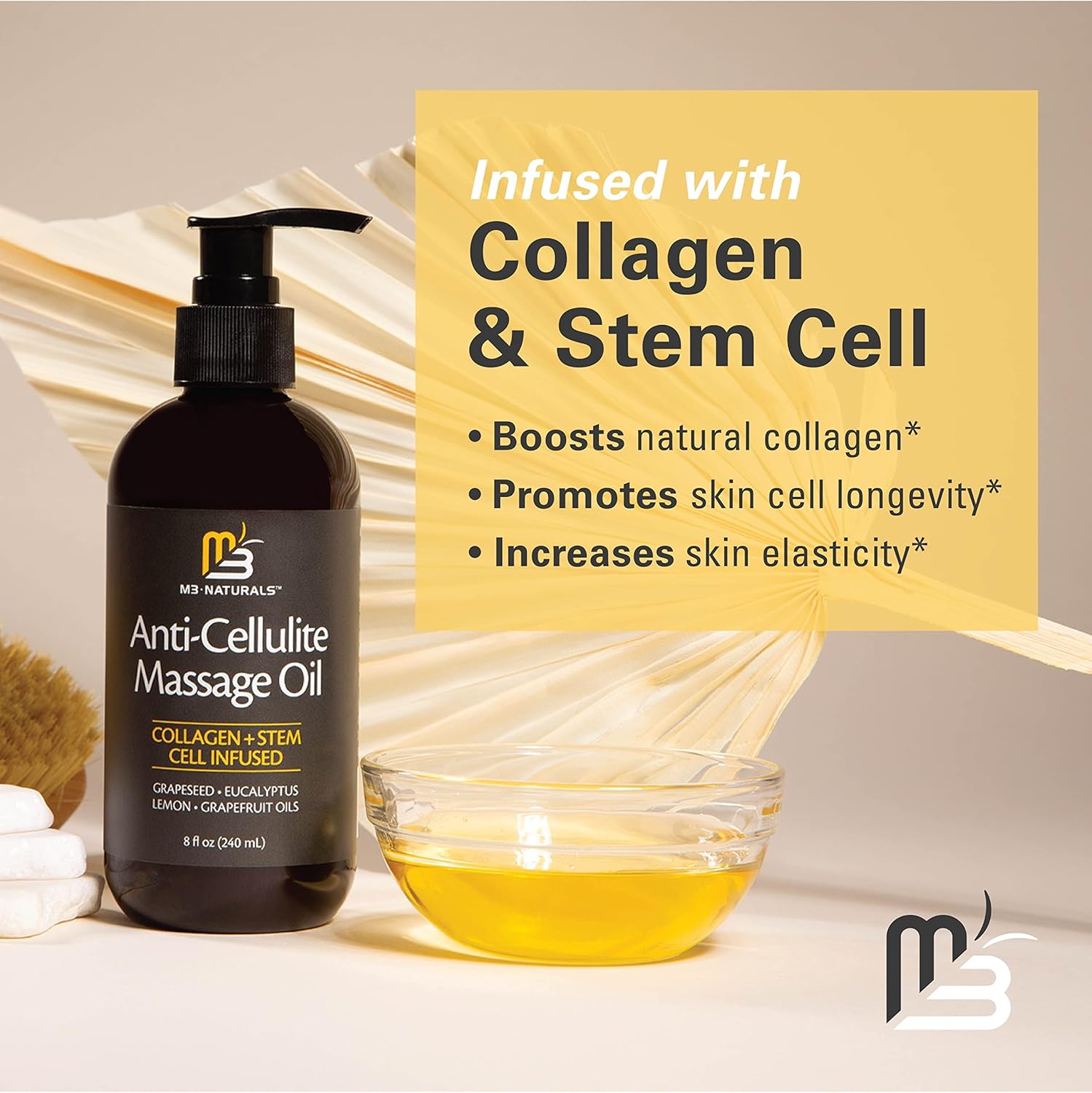

Exfoliating tools are mechanical implements designed to physically remove dead skin cells from the outermost layer of the skin, revealing fresher, smoother skin beneath. The role of exfoliating tools explained simply is this: friction clears away buildup that clogs pores, dulls tone, and blocks moisturizers from absorbing properly. Common types include brushes, loofahs, exfoliating gloves, and granular body scrubs. Skin type and exfoliation frequency both determine how much benefit you get, and getting either wrong can do more harm than good. Used correctly, these tools are one of the most direct ways to improve your skin’s texture and overall appearance.
How do exfoliating tools actually work?
Mechanical exfoliation uses physical friction to dislodge and lift dead cells from the skin’s surface. The tool itself, whether a brush, loofah, or exfoliating glove, creates enough surface contact to loosen the outermost layer without penetrating deeper tissue. The texture and material of the tool determine how aggressive that friction is.
Different tools produce different results based on their construction:
- Dry brushes use firm, natural bristles and work on dry skin before showering. They stimulate circulation and sweep away surface debris.
- Loofahs and bath sponges work wet, creating a gentler lather-based exfoliation suited to most skin types.
- Exfoliating gloves cover more surface area per stroke and allow you to control pressure directly with your hands.
- Granular scrubs combine a physical base, such as sugar or salt, with a carrier oil or cleanser to buff skin during washing.
The key variable across all these methods is pressure. Light, circular strokes remove dead cells without stressing the skin barrier. Scrubbing hard does not exfoliate more effectively. It just irritates the skin faster.
Dry brushing and wet exfoliation serve different purposes. Dry brushing works best as a pre-shower ritual for body skin, while wet exfoliation with a loofah or scrub suits the face and more sensitive areas. Mixing methods on the same session is rarely necessary and often counterproductive.
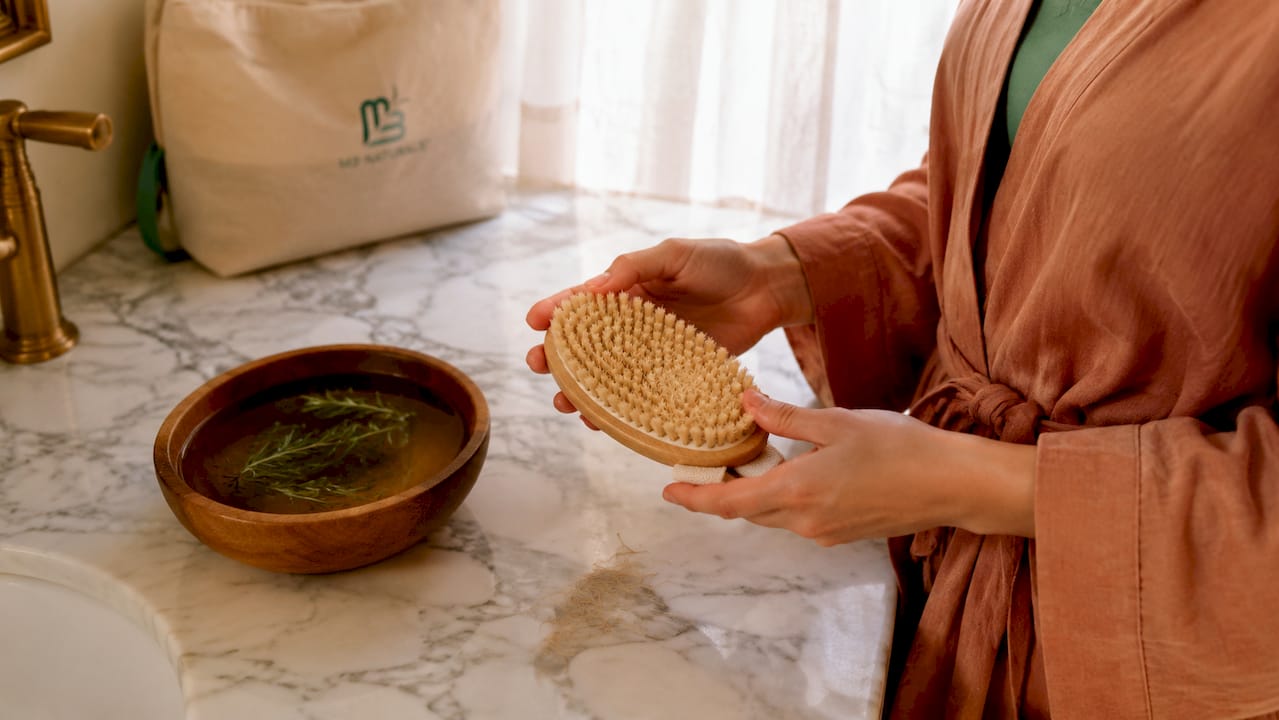
Pro Tip: Read the manufacturer’s instructions for any exfoliating device before first use. Ignoring device manuals is a leading cause of skin irritation and device misuse.
What are the real benefits of using exfoliating tools?
Exfoliating tools deliver several measurable benefits when used at the right frequency for your skin type. The most immediate effect is smoother texture. Removing dead skin cells improves brightness and makes skin feel noticeably softer within a single session.
The benefits extend beyond surface feel:
- Better product absorption: Dead skin creates a physical barrier that prevents moisturizers and serums from reaching live skin cells. Exfoliation clears that barrier, so your skincare products actually work.
- Clearer pores: Regular exfoliation reduces the buildup of sebum and dead cells that leads to blackheads and breakouts.
- Temporary circulation boost: Physical exfoliation increases blood flow to the skin’s surface, producing a short-term healthy glow.
- More even skin tone: Consistent exfoliation over weeks reduces the appearance of dull, uneven patches.
The circulation boost deserves honest context. Surface smoothness and post-exfoliation glow are often temporary effects from increased blood flow, not structural improvements to the skin. That glow fades within hours. The lasting benefits, like improved texture and better product absorption, come from consistent, moderate exfoliation over time, not from one aggressive session.
Understanding exfoliating tools means separating the real, repeatable benefits from the temporary ones. Chasing the instant glow by exfoliating too often or too hard will weaken the skin barrier and cause more problems than it solves. Men looking to maintain that post-exfoliation look for photos or events can find practical skin prep tips for men that balance exfoliation with other grooming steps.
How to use exfoliating tools safely for your skin type
Safe exfoliation starts with knowing your skin type and matching your frequency to it. Dermatology guidance recommends the following schedule:
- Normal skin: Exfoliate 2–3 times per week using a medium-texture tool like a loofah or granular scrub.
- Dry skin: Limit exfoliation to 1–2 times per week. Use a soft-bristle brush or a gentle scrub with moisturizing ingredients.
- Sensitive skin: Exfoliate 1–2 times per week at most, using the lightest possible pressure and the softest available tool.
- Oily or acne-prone skin: Exfoliate 2–3 times per week based on tolerance, but avoid exfoliating over active breakouts or inflamed areas.
Over-exfoliation is a real and common problem. Signs include persistent redness, tightness, peeling, or a shiny, raw appearance on the skin. If you notice any of these, stop exfoliating for at least a week and focus on barrier repair with a gentle moisturizer.
Technique matters as much as frequency. Use light, circular motions and let the tool do the work. Never drag or press hard, especially on the face. Avoid mechanical exfoliation entirely on skin that is sunburned, broken, or actively inflamed.
Post-exfoliation care is non-negotiable. After exfoliation, always moisturize and apply sunscreen to protect the fresh skin layer you have just exposed. New skin cells are more vulnerable to UV damage. Skipping sunscreen after exfoliating is one of the fastest ways to undo the benefits. You can also find a detailed body scrub application guide that walks through technique and frequency by skin type.
Pro Tip: If you use a chemical exfoliant like an AHA or BHA toner, do not use a mechanical exfoliating tool on the same day. Combining both methods in one session significantly increases the risk of irritation and barrier damage.
Physical vs. chemical exfoliation: which one is right for you?
Physical and chemical exfoliation both remove dead skin cells, but they work through entirely different mechanisms. Understanding the difference helps you choose the right method, or the right combination, for your skin.
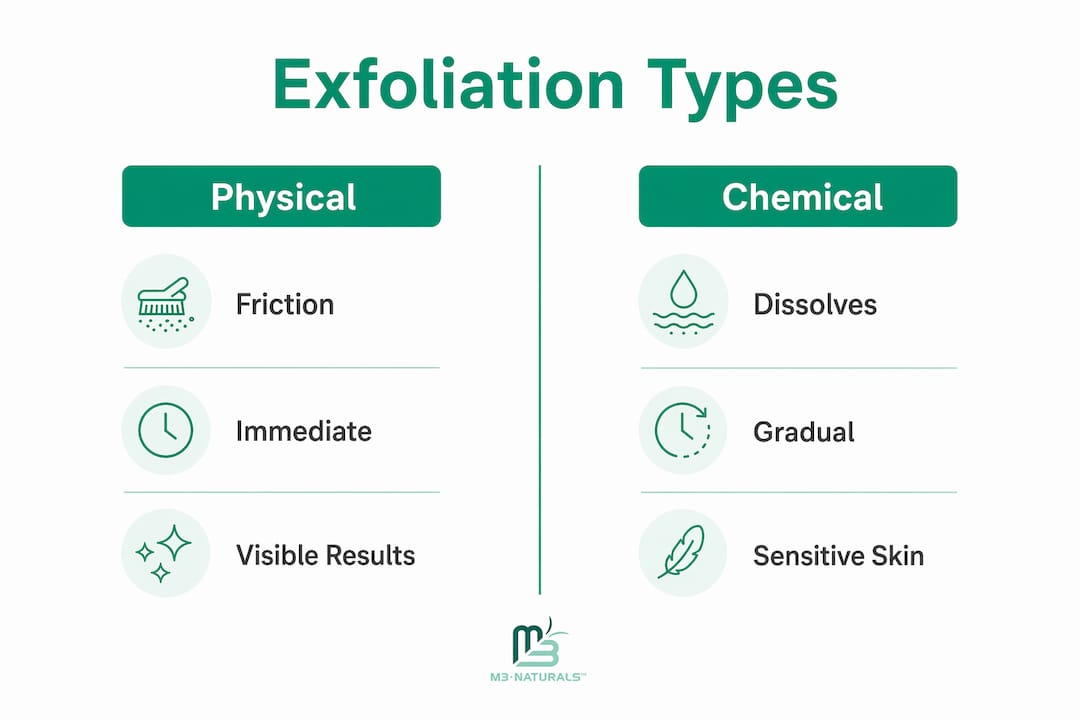
| Feature | Physical exfoliation | Chemical exfoliation |
|---|---|---|
| Mechanism | Friction removes dead cells manually | AHAs or BHAs dissolve cell bonds at molecular level |
| Best for | Normal, oily, and body skin | Sensitive, uneven, or acne-prone skin |
| Control | Pressure-dependent, user-controlled | Concentration-dependent, formula-controlled |
| Risk of misuse | Micro-tears from excess pressure | Irritation or peeling from overuse |
| Speed of results | Immediate surface smoothness | Gradual improvement over days |
| Combination use | Safe with chemical methods on alternate days | Safe with physical methods on alternate days |
Chemical exfoliants dissolve dead skin at the molecular level, offering an alternative for people with sensitive skin where mechanical methods can be too harsh. Alpha hydroxy acids like glycolic and lactic acid work on the surface. Beta hydroxy acids like salicylic acid penetrate pores, making them especially useful for oily and acne-prone skin.
Physical exfoliation gives you immediate tactile feedback and visible results. Chemical exfoliation works more gradually but reaches areas that a brush or glove cannot. Neither method is universally superior. The right choice depends on your skin type, your tolerance, and how consistently you can follow a routine.
Combining both approaches can be effective, but only when done on separate days. Using a granular scrub the same night you apply a retinol or AHA serum is a common mistake that leads to redness and peeling. Rotate methods, not stack them.
Choosing and maintaining your exfoliating tools
Selecting the right tool starts with your skin type and the area you want to treat. A firm dry brush suits body skin on someone with normal or oily skin. A soft silicone brush or a fine-grain scrub works better for facial skin or anyone with sensitivity. Texture, bristle density, and handle design all affect how much control you have during use.
Key factors to evaluate before buying:
- Texture match: Coarser tools for body skin, finer textures for the face and neck.
- Material quality: Natural bristles and food-grade granules are generally gentler than synthetic alternatives of unknown origin.
- Ease of cleaning: Tools you cannot rinse and dry thoroughly become breeding grounds for bacteria.
- Replacement schedule: Loofahs should be replaced every 3–4 weeks. Brushes need new heads or full replacement every 2–3 months.
At-home brushes and exfoliating devices are lower quality than professional clinical versions, which means misuse carries a real risk of micro-tears, especially on inflamed or acne-prone skin. This is not a reason to avoid them. It is a reason to use them carefully and replace them on schedule.
Cleaning your tools after every use is not optional. Rinse thoroughly, shake out excess water, and store in a dry, ventilated space. A damp loofah left in a closed shower is unsanitary within days. Learning how body scrubs improve texture also helps you understand which product formats pair best with your chosen tools.
Pro Tip: Customize your routine by keeping two tools: one for the body and one for the face. Using the same tool on both areas transfers bacteria and applies the wrong level of abrasion to more delicate facial skin.
Key takeaways
Exfoliating tools physically remove dead skin cells through friction, and consistent, moderate use improves texture, product absorption, and skin clarity more reliably than aggressive or infrequent sessions.
| Point | Details |
|---|---|
| Frequency by skin type | Normal and oily skin tolerates 2–3 sessions per week; sensitive and dry skin needs 1–2 sessions maximum. |
| Post-exfoliation care | Always apply moisturizer and sunscreen after exfoliating to protect newly exposed skin cells. |
| Physical vs. chemical | Alternate physical and chemical exfoliation on separate days to avoid barrier damage. |
| Tool maintenance | Replace loofahs every 3–4 weeks and brushes every 2–3 months to prevent bacterial buildup. |
| Glow is temporary | The post-exfoliation glow comes from circulation, not structural skin change. Consistent use builds lasting results. |
What I have learned from years of watching people exfoliate wrong
Most people start exfoliating because they want that instant glow. I understand the appeal. The skin looks brighter, feels smoother, and the whole routine feels productive. The problem is that the glow is mostly a circulation response. It fades within hours. When people realize that, they often exfoliate harder or more often, which is exactly the wrong response.
The skin barrier is not a wall you scrub clean. It is a living system that needs time to recover between sessions. I have seen people with genuinely healthy skin develop chronic redness and sensitivity simply because they exfoliated daily for a month chasing a result that was never going to be permanent.
My honest recommendation is to start at the lowest frequency your skin type allows and only increase if your skin shows no signs of stress after two weeks. Gentle and consistent beats aggressive and frequent every time. If you have persistent skin concerns, a dermatologist visit is worth more than any tool or product.
Exfoliation works best as one part of a routine that includes solid hydration and daily sun protection. Without those two elements, even perfect exfoliation technique will not deliver the results you are after.
— SuperNatural
Natural body scrubs from M3naturals for your exfoliation routine
Choosing quality products makes a real difference in how your skin responds to exfoliation. M3naturals offers a range of natural body scrubs formulated with ethically sourced ingredients like charcoal, coconut oil, turmeric, and lavender. These scrubs pair physical exfoliation with nourishing botanicals, so your skin gets the friction it needs without the dryness that lower-quality products often leave behind.

Whether you are new to exfoliation or refining an existing routine, M3naturals has options suited to different skin types and preferences. The collection is designed for people who want spa-quality results at home, without harsh synthetics or unnecessary additives. Browse the full range and find the right fit for your skin.
FAQ
What does an exfoliating tool actually do?
An exfoliating tool uses physical friction to remove dead skin cells from the outermost skin layer. This reveals fresher skin beneath and improves the absorption of moisturizers and treatments.
How often should I use an exfoliating tool?
Normal and oily skin types can exfoliate 2–3 times per week, while dry and sensitive skin should stay at 1–2 times per week. Always adjust based on how your skin responds.
Can I use an exfoliating tool on my face?
Yes, but use a tool specifically designed for facial skin, such as a soft silicone brush or a fine-grain scrub. Avoid coarse body tools on the face, as they can cause micro-tears on more delicate skin.
What should I do right after exfoliating?
Apply a moisturizer immediately after exfoliating, then follow with sunscreen if you are going outdoors. Freshly exfoliated skin is more vulnerable to UV damage and dehydration.
Is physical exfoliation better than chemical exfoliation?
Neither method is universally better. Physical exfoliation delivers immediate surface smoothness, while chemical exfoliants like AHAs and BHAs work more gradually and suit sensitive or acne-prone skin. Using both on alternate days is safe and effective for most people.