


A full body skincare regimen checklist is a structured, zone-by-zone routine that covers every area of skin from scalp to feet, not just your face. Dermatologists define it as a daily practice built on four pillars: gentle cleansing, consistent hydration, targeted exfoliation, and broad-spectrum SPF 30+ protection on all exposed skin. Most people skip 80% of their body when they think about skincare. This guide gives you a practical, expert-backed checklist for a complete body skincare routine that works for all skin types, including dry, oily, sensitive, and combination.
1. Which body areas need special attention in a full body skincare regimen checklist?
A complete body skincare routine covers more than arms and legs. Several zones have distinct needs that generic routines miss entirely.
High-priority zones to add to your checklist:
- Scalp: The scalp produces sebum and sheds skin cells just like your face. Scalp cleansing frequency depends on hair type. Oily scalps need washing every 1–2 days; dry scalps do well with every 3–5 days. Always use fingertips or a soft brush, never nails.
- Neck and chest (V-zone): This area gets daily sun exposure but rarely gets sunscreen. It shows aging signs as prominently as the face.
- Hands: Hands are washed dozens of times a day, which strips their natural oils. Apply hand cream after every wash.
- Elbows and knees: These high-friction zones accumulate dead skin faster than anywhere else on the body. They need regular exfoliation and thick moisturizer.
- Feet and heels: Heels crack when neglected. A urea-based cream applied nightly under cotton socks works well for stubborn dryness.
- Underarms: Deodorant residue and shaving can irritate this zone. A gentle, fragrance-free cleanser keeps skin calm.
Each zone responds differently to products and frequency. Treating your entire body with one product at one frequency is the most common mistake in a daily skincare regimen.
2. What is the ideal cleansing method for your body?
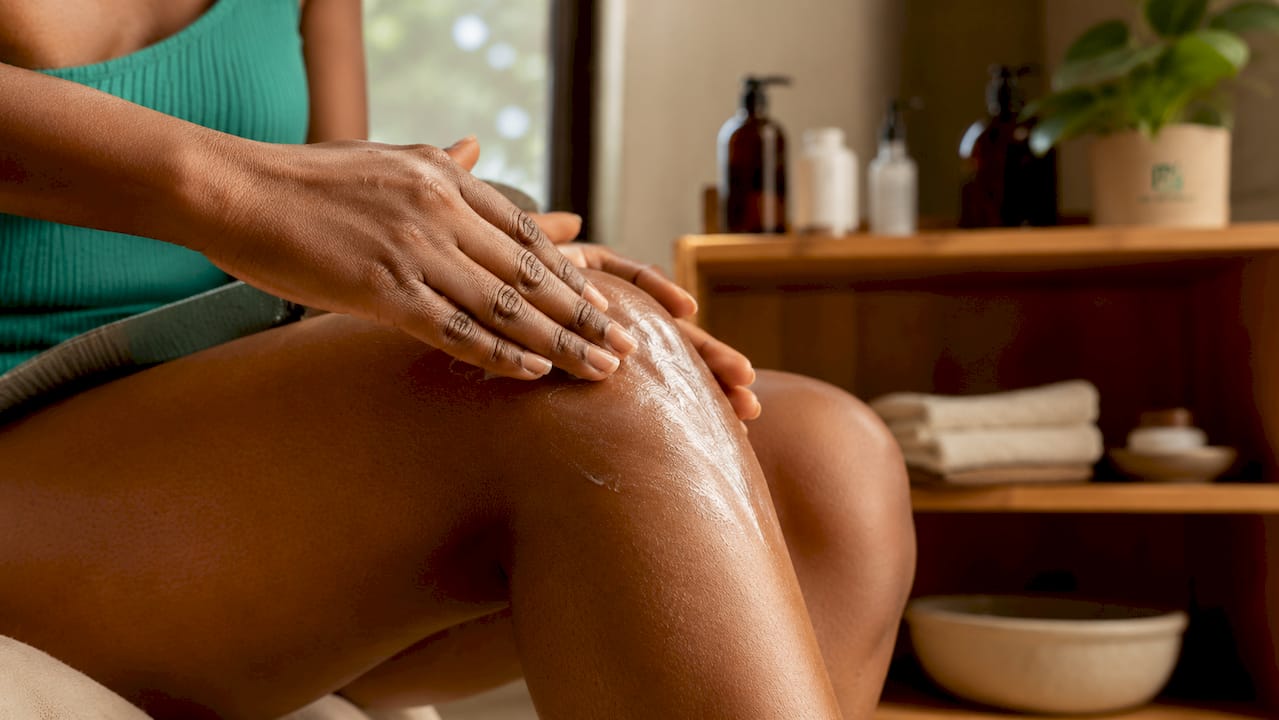
Daily full-body soaping is unnecessary and can damage the skin barrier, especially in dry climates or for people with eczema-prone skin. The skin barrier is the outermost layer that locks in moisture and keeps irritants out. Stripping it daily with harsh soap causes dryness, flaking, and increased sensitivity over time.
The right approach is targeted cleansing. Use a low-pH, sulfate-free cleanser only on high-sebum areas: armpits, groin, feet, and the face. Rinse the rest of your body with warm water only.
Cleansing checklist by zone:
- Face: Gentle, pH-balanced cleanser morning and night
- Armpits, groin, feet: Sulfate-free body wash daily
- Back and chest (if acne-prone): Salicylic acid body wash 3–4 times per week
- Arms, legs, torso: Warm water rinse only on most days
- Scalp: Shampoo based on scalp type (every 1–2 days for oily, every 3–5 days for dry)
Water temperature matters too. Hot water strips natural oils faster than lukewarm water. Keep showers under 10 minutes and finish with a cool rinse to close pores.
Pro Tip: Pat your skin dry with a soft towel instead of rubbing. Rubbing creates micro-friction that irritates freshly cleansed skin.
3. How to get the most from moisturizing in your daily skincare regimen
Timing is the single biggest factor in moisturizer effectiveness. Applying moisturizer within 90 seconds of stepping out of the shower increases absorption by about 30% because damp skin traps water under occlusive ingredients. Waiting until your skin is fully dry wastes much of the product’s potential.
Product layering also matters for stubborn dry patches. The lotion-first, then oil approach outperforms lotion alone on areas like elbows, knees, and heels. Apply a humectant-rich lotion first to draw water into the skin, then seal it with a natural oil like coconut or jojoba.
Moisturizing checklist by zone:
- Face: Lightweight gel or cream moisturizer with hyaluronic acid
- Body: Fragrance-free lotion applied to damp skin within 90 seconds of showering
- Elbows, knees, heels: Lotion layer followed by a natural oil or thick balm
- Hands: Hand cream after every wash, heavier cream at bedtime
- Lips: Petroleum-based balm or shea butter, reapplied throughout the day
Pro Tip: For very dry skin, apply a thin layer of M3naturals massage oil over your body lotion right after showering. The oil seals in the moisture from the lotion and leaves skin noticeably softer within a few days.
A good natural body care routine builds on this layering principle. Consistency matters more than the price of the product.
4. What are the essential exfoliation steps in a complete body skincare routine?
Exfoliation 1–2 times weekly on high-friction areas like knees and elbows prevents dead skin buildup without over-stripping the barrier. More frequent exfoliation causes redness, sensitivity, and increased breakouts. The skin barrier needs recovery time between sessions.
Physical exfoliants like sugar scrubs work well on the body because body skin is thicker than facial skin. Chemical exfoliants like AHAs (alpha hydroxy acids) and BHAs (beta hydroxy acids) penetrate deeper and work better on rough or bumpy skin.
A phased 8-week plan for adding treatments:
- Weeks 1–2: Add broad-spectrum SPF 30+ and a good body moisturizer. Build the habit before adding anything else.
- Weeks 3–4: Introduce physical exfoliation on knees, elbows, and feet once per week.
- Weeks 5–6: Add an AHA body lotion on alternating nights. Watch for any redness or irritation.
- Weeks 7–8: Introduce a vitamin C serum on the chest and neck in the morning. Add a body retinoid at night on 2–3 nights per week if skin tolerates the AHA well.
Starting body actives on an alternating schedule of 2–3 nights per week prevents the burning and barrier damage that comes from daily use. This is the most common mistake people make when they first add actives to their routine.
The 8-week phased approach recommended by dermatologists builds skin tolerance gradually. Starting with sunscreen and moisturizer, then adding one active at a time, dramatically improves both compliance and long-term results. Rushing the process is the fastest way to irritate your skin and abandon the routine entirely.
Pair your exfoliation sessions with a richer moisturizer applied immediately after. Freshly exfoliated skin absorbs hydration faster and more deeply.
5. Why daily sun protection belongs on every skincare checklist
Broad-spectrum SPF 30 or higher is the single most evidence-backed step in any skincare checklist for all skin types. It prevents photoaging, hyperpigmentation, and long-term skin damage on every exposed area of the body. SPF 30 minimum daily is the standard recommendation, with SPF 50 preferred for extended outdoor time.
Most people apply sunscreen to their face and forget everything else. The neck, chest V-zone, and hands show aging signs as prominently as the face, yet they are the most commonly skipped areas.
Sun protection checklist for commonly missed zones:
- Neck and chest: Apply sunscreen every morning as part of your getting-dressed routine
- Hands: Use an SPF hand cream or reapply sunscreen after washing hands outdoors
- Forearms and shoulders: Cover these whenever you are in direct sun for more than 15 minutes
- Feet and ankles: Apply sunscreen if wearing sandals or open shoes outdoors
- Scalp and ears: Use a spray SPF or wear a hat for extended outdoor exposure
Texture affects compliance. Chemical sunscreens absorb faster and leave no white cast, making them easier to use on large body areas. Mineral sunscreens with zinc oxide or titanium dioxide suit sensitive skin better. Reapply every two hours when outdoors, regardless of formula.
For a well-rounded approach to makeup hygiene and skin protection, pairing your SPF routine with clean application tools reduces the risk of clogged pores and breakouts.
Key Takeaways
A full body skincare regimen checklist works best when it starts with gentle, targeted cleansing, locks in hydration within 90 seconds of showering, and applies broad-spectrum SPF 30+ to all exposed skin daily.
| Point | Details |
|---|---|
| Target cleansing by zone | Use sulfate-free cleanser only on high-sebum areas; rinse the rest with warm water. |
| Moisturize on damp skin | Apply body lotion within 90 seconds of showering to boost absorption by about 30%. |
| Exfoliate 1–2 times weekly | Focus on knees, elbows, and feet; avoid daily exfoliation to protect the skin barrier. |
| Phase in actives gradually | Follow an 8-week plan, starting with SPF and moisturizer before adding AHAs or retinoids. |
| Protect neglected zones | Apply SPF 30+ to neck, chest, and hands every morning, not just the face. |
What I’ve learned from building a full body routine
The biggest mistake I see is treating a body skincare routine like a face routine scaled up. They are not the same thing. Body skin is thicker, less reactive, and more forgiving, but it also covers a lot more surface area. That means consistency matters far more than product sophistication.
Most people quit within two weeks because they try to do everything at once. The phased approach changes that. When you start with just SPF and moisturizer for two weeks, the habit forms before the complexity arrives. By the time you add an AHA or a retinoid, applying products to your body already feels automatic.
Climate and lifestyle shape the routine more than skin type does. Someone in a dry, cold climate needs heavier occlusives and less frequent exfoliation than someone in a humid environment. Pay attention to how your skin responds after each change. Redness, tightness, or flaking after adding a new product is a signal to slow down, not push through.
The areas most people ignore, specifically the neck, chest, and hands, are the ones that reveal age fastest. Protecting them now costs almost nothing extra. Correcting the damage later costs significantly more.
— SuperNatural
M3naturals products that fit your body care checklist
Building a complete body skincare routine is easier when your products do more than one job.

M3naturals natural body scrubs use ingredients like charcoal, coconut oil, and botanical extracts to exfoliate and nourish at the same time. They fit directly into the weekly exfoliation step without requiring a separate moisturizer afterward. For the hydration and layering step, M3naturals massage oils seal in moisture after your body lotion and double as a relaxation tool for sore muscles. Both product lines are formulated without harsh sulfates or synthetic fillers, making them suitable for sensitive skin and daily use.
FAQ
What does a full body skincare regimen checklist include?
A full body skincare regimen checklist covers cleansing, moisturizing, exfoliating, treating, and protecting every body zone from scalp to feet. The core daily steps are targeted cleansing, hydration on damp skin, and broad-spectrum SPF 30+ on all exposed areas.
How often should you exfoliate your body?
Exfoliate 1–2 times per week, focusing on high-friction zones like knees, elbows, and heels. More frequent exfoliation damages the skin barrier and causes irritation.
When is the best time to apply body moisturizer?
Apply body moisturizer within 90 seconds of stepping out of the shower while skin is still damp. This timing increases absorption by about 30% compared to applying on dry skin.
Can you use the same skincare products on your face and body?
Face products are formulated for thinner, more reactive skin and are not cost-effective for large body areas. Use body-specific formulas on your torso, limbs, and feet, and reserve facial products for your face, neck, and chest.
How do you start a body skincare routine without getting overwhelmed?
Follow a phased 8-week plan starting with just SPF and a body moisturizer. Add one new product or step every two weeks so your skin can adjust and the habit can form before the routine gets complex.