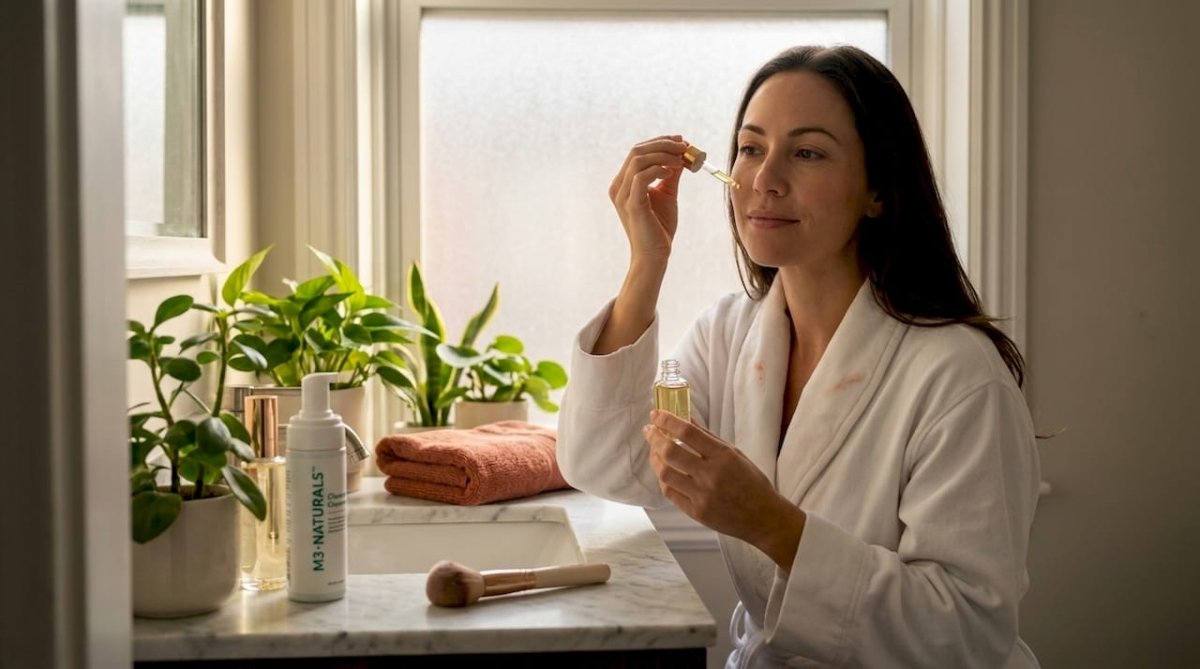

Most people slather on a body scrub, rub hard for thirty seconds, and wonder why their skin feels raw instead of radiant. The problem is almost never the product. It’s the body scrub application technique. Done right, exfoliation removes dead skin cells, improves circulation, and leaves skin genuinely smoother and brighter. Done wrong, it irritates, inflames, and can even cause hyperpigmentation. This guide walks you through every step: how to prep your skin, how to apply and massage the scrub, how often to exfoliate based on your skin type, and the most common mistakes that quietly sabotage results.
Table of Contents
- Key takeaways
- What you need before starting your body scrub routine
- Step-by-step body scrub application technique
- How often to exfoliate and what to do after
- Common mistakes that hurt your results
- My take on the art of gentle exfoliation
- Upgrade your routine with the right products
- FAQ
Key takeaways
| Point | Details |
|---|---|
| Warm skin first | Spend 5–10 minutes in a warm shower before applying any scrub to open pores and soften skin. |
| Use gentle circular motions | Apply scrub with light-to-moderate pressure in small circles for 20–30 seconds per area. |
| Moisturize immediately after | Apply a moisturizer or body oil right after rinsing to lock in hydration and protect your skin barrier. |
| Match frequency to skin type | Exfoliate 2–3 times per week for normal skin; once weekly or less for sensitive or reactive skin. |
| Stop before it hurts | Redness, tightness, or stinging after a scrub are signs you are over-exfoliating and need to scale back. |
What you need before starting your body scrub routine
Getting the application right starts before you even open the jar. The tools you use, the state of your skin, and the temperature of the water all shape how effective and how safe the exfoliation will be.
Choosing the right scrub for your skin
Not all scrubs work the same way on all skin types. Coarser scrubs with ingredients like sea salt or crushed walnut shell work well on thicker skin areas such as the elbows, knees, and feet. Finer-grain scrubs made with sugar or finely milled oats are better for general body use and sensitive skin. Acne-prone or reactive skin benefits most from a soft washchoice with light pressure rather than a coarse physical scrub.
| Skin type | Recommended scrub texture | Notes |
|---|---|---|
| Normal to oily | Medium grain (sugar, sea salt) | Can use 2–3 times per week |
| Dry or sensitive | Fine grain (brown sugar, oat) | Limit to once per week |
| Acne-prone | Fine grain or enzyme-based | Avoid over intact breakouts |
| Rough patches (elbows, feet) | Coarse grain (salt, pumice) | Use only on target areas |
Prepping your skin and shower space
Warming skin with a 5–10 minute warm shower before applying a scrub is one of the single most effective things you can do. Warm water softens the outer layer of skin and opens pores, so the scrub can lift dead cells more efficiently and with less mechanical force. This means less pressure required from you, which directly lowers the risk of irritation.
- Always apply scrub to damp, not soaking wet, skin. Damp skin reduces friction without diluting the scrub’s exfoliating power.
- Avoid scrubbing over cuts, active breakouts, sunburned skin, or any open wound.
- Have a clean towel and your moisturizer within reach before you start. The faster you moisturize post-rinse, the better.
- A loofah or exfoliating mitt can boost results, but clean them after every single use. Damp tools breed bacteria fast.
Pro Tip: If you use an exfoliating mitt or body brush along with your scrub, apply the scrub to the tool rather than your skin first. This spreads the product more evenly and prevents clumping in one spot.
Step-by-step body scrub application technique
This is where most people either get it right or unknowingly cause damage. Follow these steps and you will notice a real difference in how your skin looks and feels within a few sessions.
- Cleanse first. Wash your body with your regular body wash before reaching for the scrub. Cleansing before scrubbing removes surface dirt and excess oil so the scrub can focus entirely on exfoliating dead skin cells rather than pushing grime around.
- Scoop a reasonable amount. Use roughly a tablespoon per body section. Bigger is not better here. More scrub creates more friction in an uncontrolled way, and most of it ends up rinsed down the drain anyway.
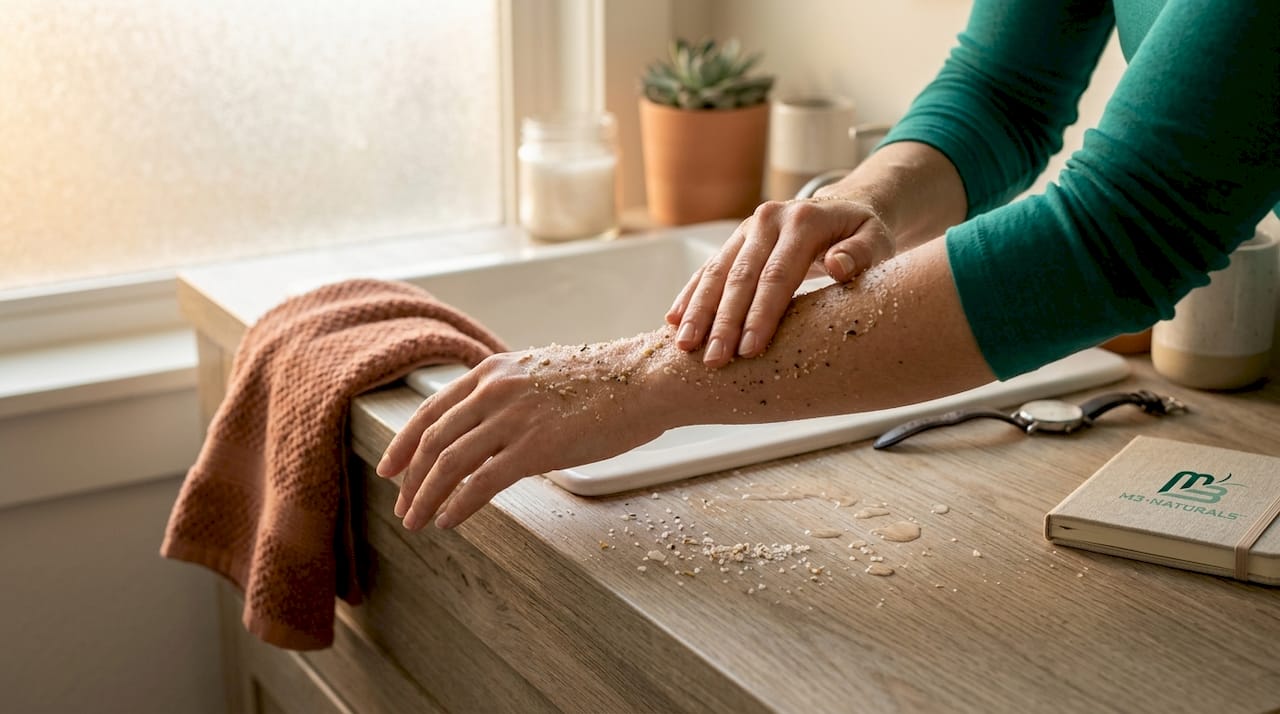
- Apply to damp skin in circular motions. Work the scrub into your skin using gentle circular massage with your fingertips or a mitt. Small, deliberate circles are more effective than long, aggressive strokes.
- Spend 20–30 seconds per area. Spend about 20–30 seconds per section of the body and move on. Do not go back over the same patch repeatedly in one session. Overworking an area is the fastest route to irritation and redness.
- Work from the feet upward. Start at your feet and ankles, then move to calves, thighs, stomach, arms, and shoulders. Working upward supports circulation and keeps the process methodical.
- Rinse with lukewarm water. Hot water strips the skin barrier right after you have already softened it. Lukewarm water rinses off every trace of the scrub without causing additional stress to your skin.
- Pat dry gently. Do not rub the towel across your skin. Pat dry to avoid undoing your careful work.
Pro Tip: Apply the scrub to the Brazilian body scrub areas like the back of your arms and thighs using a slightly firmer circular motion, since skin there tends to be thicker. Just stay within that 30-second window per spot.
Cleansing order: before or after the scrub?
This is a genuinely debated question in skincare. The short answer is that both sequences can work, but cleansing first gives the scrub a cleaner surface to work on and allows the exfoliant to reach dead skin cells more directly. Exfoliating first, then cleansing, can work well for oilier skin types where you want the wash to cut through the residual scrub oils. Choose based on your skin type and stick to that sequence consistently.
| Method | Pros | Cons |
|---|---|---|
| Cleanse then scrub | Scrub works on clean skin; better exfoliation | Adds a step; more time in shower |
| Scrub then cleanse | Removes scrub residue thoroughly | Scrub may work on oily surface |
| Scrub only | Quicker routine | May leave residue; less effective on dirty skin |
How often to exfoliate and what to do after
Frequency is where most beginners go wrong. The assumption is that more exfoliation means faster results. It does not. Over-exfoliation disrupts the skin barrier, which leads to redness, flaking, and increased sensitivity over time. The skin actually needs time to regenerate between sessions.
Here is how to calibrate your routine by skin type:
- Normal to combination skin: 2 to 3 times per week is the sweet spot for most people.
- Dry skin: Twice a week at most. Dry skin already has a compromised barrier, so less is more.
- Sensitive or reactive skin: Exfoliate once or twice weekly maximum. When in doubt, start with once a week and observe how your skin responds before increasing.
- Oily skin: Up to three times a week, but always follow with a non-comedogenic moisturizer to avoid triggering excess oil production.
Aftercare that actually protects your skin
The two or three minutes right after you rinse off the scrub are the most important window in your entire routine. Your skin is soft, pores are open, and absorption is at its peak. Moisturizing immediately after exfoliation reduces dryness and protects the skin barrier more effectively than applying moisturizer on dry skin an hour later.
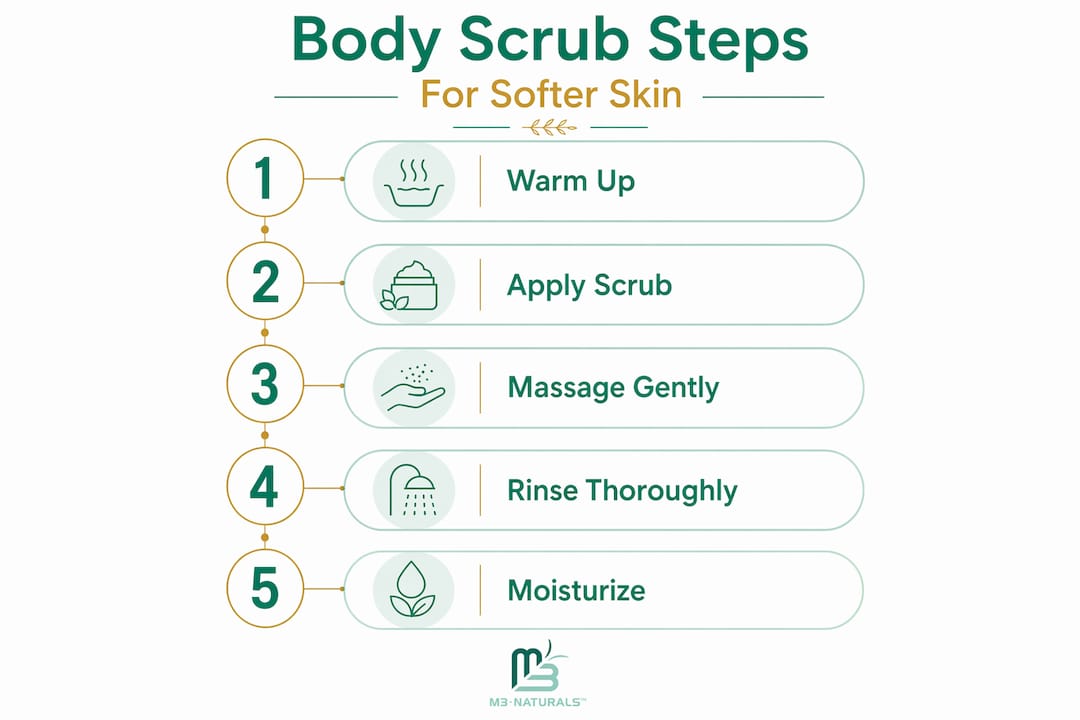
Reach for a body butter, a rich lotion, or a body oil. Oils work particularly well post-scrub because they seal in the moisture that remains on slightly damp skin. If you exfoliated an area you plan to shave, do that before the scrub session, not after. Exfoliating before shaving reduces ingrown hairs and razor bumps rather than scrubbing freshly shaved skin, which is far too sensitive for physical exfoliants.
Pro Tip: Apply your body oil or lotion while your skin is still slightly damp from the shower. The moisture on the surface acts as a carrier and helps the product absorb rather than just sitting on top.
Signs you are over-exfoliating: persistent redness that does not calm down within an hour, tight or shiny skin after rinsing, increased breakouts on the body, or stinging when you apply moisturizer. If you notice these, take a full week off from physical exfoliation and focus on gentle cleansing and moisturizing only.
Common mistakes that hurt your results
Even people with good intentions make a few predictable errors. Recognizing them is the fastest way to fix your routine.
- Applying scrub to dry skin. Dry skin creates too much friction. Apply only to damp skin to reduce the risk of micro-tears and irritation.
- Using too much pressure. More force does not mean more exfoliation. Excessive pressure causes discomfort, irritation, and post-inflammatory hyperpigmentation, especially on darker skin tones.
- Scrubbing over inflamed skin. Active breakouts, eczema flares, sunburn, or rashes are all no-go zones for physical scrubs. You will make the condition significantly worse.
- Skipping the rinse. Leaving scrub residue on skin, especially oil-heavy ones, can clog pores or cause a reaction. Rinse thoroughly every time.
- Scrubbing right after shaving or waxing. Freshly shaved or waxed skin is already stripped and sensitized. Wait at least 24 to 48 hours before exfoliating that area.
The biggest mistake I see is people treating a body scrub like a cleaning product you scrub harder with to get the job done. Physical exfoliation works through contact and chemistry, not brute force. The granules do the lifting. Your job is just to guide them.
My take on the art of gentle exfoliation
I used to think a good body scrub meant working up a sweat and getting the skin a little red. That was wrong. What I have learned from years of paying close attention to how skin actually responds is that the sessions that feel almost effortless, where you barely feel the scrub working, consistently produce the best results by the next morning.
The skin’s turnover cycle runs on its own schedule. You cannot rush it by scrubbing harder. What you can do is show up consistently, keep your pressure light, and give your skin the moisture it needs right after. I have found that two well-executed sessions per week do more for skin texture than daily rough scrubbing ever did.
The other thing worth saying out loud: listen to how your skin feels the day after a scrub session, not during. If it feels tight, dry, or looks dull, your technique or frequency needs adjustment. If it feels smooth and looks a little luminous, you are doing it right. Your skin will tell you. The skill is learning to pay attention to what it says.
— SuperNatural
Upgrade your routine with the right products

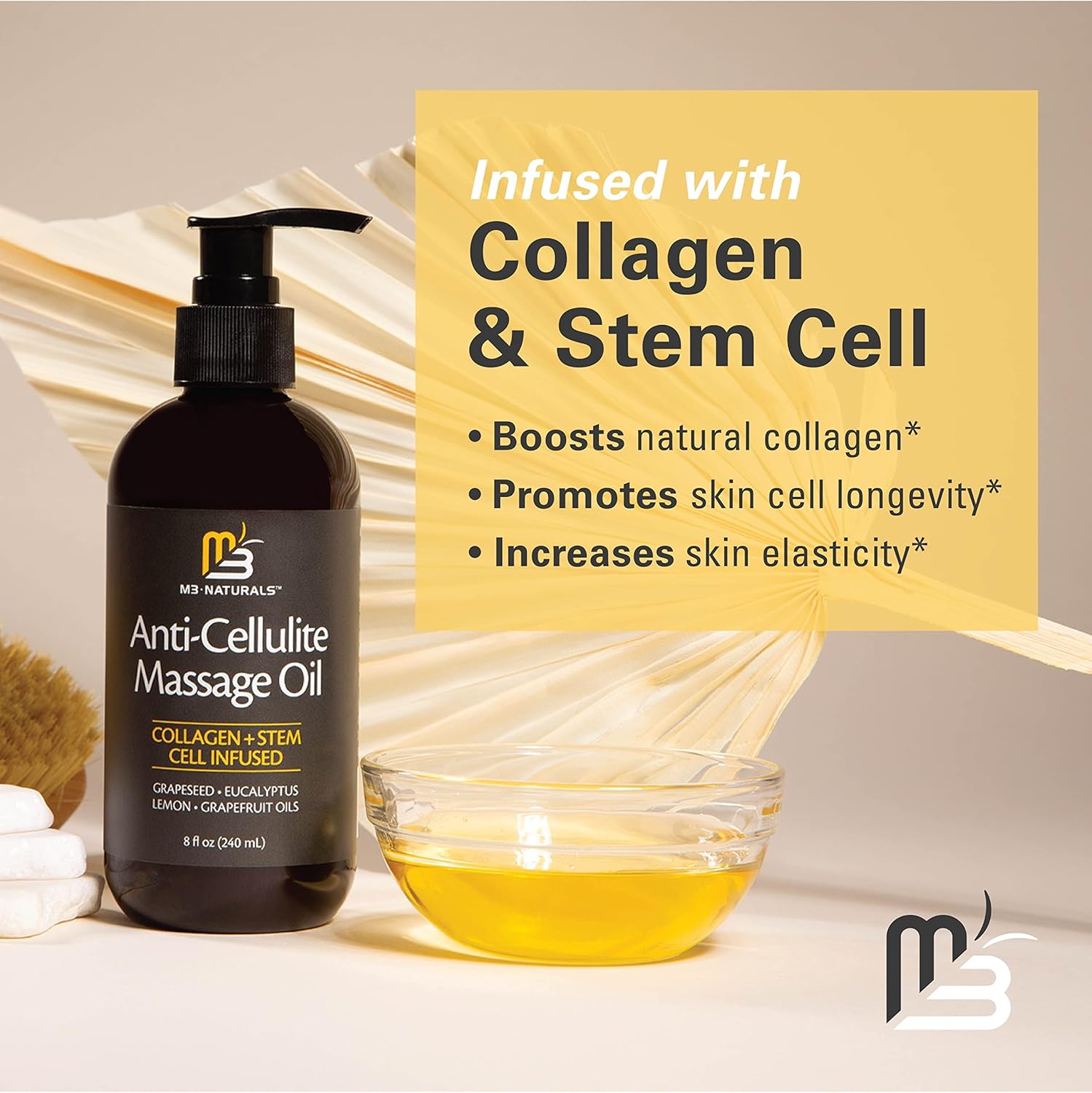
Getting your body scrub application technique right is only half the equation. The other half is choosing products formulated to work with your skin rather than against it. M3naturals offers a curated range of natural body scrubs crafted with ethically sourced ingredients like charcoal, coconut oil, turmeric, and lavender. Whether you want targeted cellulite support, a brightening treatment, or a gentle everyday exfoliant, there is a formula matched to your skin’s needs.
After your scrub session, seal in the results with one of M3naturals’ body massage oils, which are ideal for that immediate post-exfoliation moisture window when absorption is highest. The combination of a well-applied scrub followed by a quality oil is one of the most effective things you can do for skin texture, softness, and long-term glow. Browse the full collection and find the pairing that fits your routine.
FAQ
What is the correct body scrub application technique?
Apply scrub to damp skin using gentle circular motions with light-to-moderate pressure for about 20 to 30 seconds per area, then rinse thoroughly with lukewarm water.
How often should you use a body scrub?
Most skin types do well with 2 to 3 sessions per week, but sensitive skin should start with once weekly and adjust from there based on how the skin responds.
Should you apply body scrub before or after cleansing?
Both approaches work, but cleansing before scrubbing is generally more effective because it removes surface oils and debris, allowing the scrub to reach dead skin cells more directly.
Can you use a body scrub every day?
Daily use is too frequent for most skin types and risks disrupting the skin barrier. Consistent over-exfoliation leads to redness, increased sensitivity, and dryness over time.
What should you do immediately after using a body scrub?
Pat your skin dry gently and apply a moisturizer or body oil while the skin is still slightly damp. Moisturizing right after exfoliation is the most effective way to lock in hydration and maintain a healthy skin barrier.