
Mindful skincare practice is the deliberate, attentive engagement with your skincare routine to promote radiant skin and inner calm. Most people treat their routine as a checklist to finish fast. That approach misses the real benefit. Psychological benefits derive from the quality of attention you bring to the process, not from the products themselves. The field of mindful beauty practices, sometimes called intentional skincare, sits at the intersection of dermatology and mindfulness psychology. Both fields confirm that how you apply care matters as much as what you apply.
What are the essential mindful skincare routine steps?
A mindful skincare routine runs 5–12 minutes and focuses on the quality of your attention, not the number of products on your shelf. Each step below builds on the last, creating a sensory arc from tension to calm.
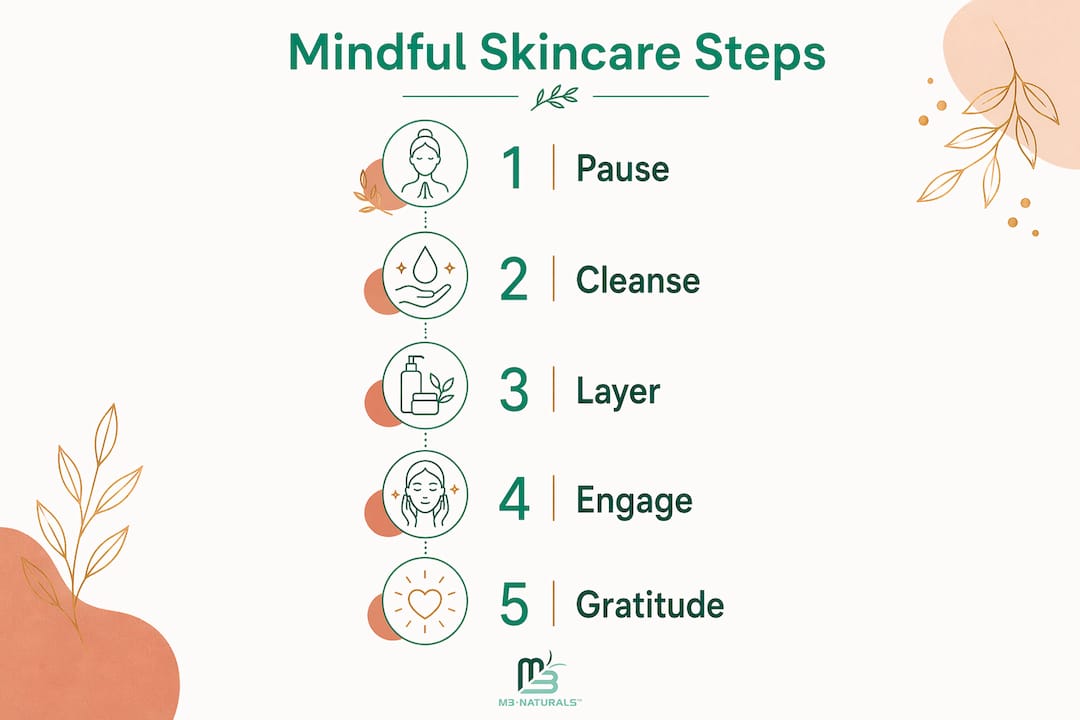
1. Pause and breathe before you begin. Take three slow, controlled breaths before touching your skin. This pre-routine pause downshifts your nervous system and primes both skin and mind for mindful touch. Reactive or stressed skin responds better when your cortisol level drops first.
2. Cleanse slowly and with full attention. Notice the texture of your cleanser, the temperature of the water, and the pressure of your fingertips. Rushing this step converts it into a chore. Slow, deliberate cleansing anchors your attention in the present moment and signals to your brain that this time is for recovery.
3. Apply products in layers with gentle, intentional pressure. Work each product into your skin using upward, circular strokes. Feel how each formula absorbs. Gentle pressure, rather than friction, reduces skin stress and enhances the mindful application effect. This is where the subtraction principle applies: fewer products applied with care outperform many products applied carelessly.

4. Engage all your senses. Smell the scent of each product. Watch how your skin changes color and texture as you work. Listen to the ambient sounds around you. Multi-sensory engagement deepens presence and makes the routine feel like a ritual rather than a task.
5. Close with stillness and a moment of gratitude. After your final product, pause for 30 seconds. Rest your palms lightly on your face or arms. Acknowledge that you gave yourself care. This closing ritual reinforces the emotional regulation benefit and makes it more likely you will return to the practice tomorrow.
Pro Tip: Set your phone face-down before you start. Even a visible notification pulls your attention out of the sensory experience and back into reactive thinking.
How can you create a mindful skincare environment?
The space around you shapes your mental state before you apply a single product. A few deliberate changes to your environment make mindfulness far easier to sustain.
- Lighting: Dim overhead lights or switch to a warm-toned lamp. Harsh fluorescent light activates alertness, which works against the calm you are building.
- Scent: Choose products with familiar, comforting aromas. Olfactory cues engage the limbic brain more directly than visual or tactile input alone, providing immediate emotional grounding. Lavender, ylang ylang, and coconut are well-documented examples.
- Sound: Play ambient instrumental music without lyrics. Lyric-free music disengages the thinking mind, allowing better sensory focus in as little as five minutes.
- Clutter: Clear your counter of anything unrelated to the routine. Visual clutter competes for attention and fragments presence.
- Temperature: Warm the room slightly or use a warm towel. Physical warmth lowers muscle tension and supports the nervous system downshift you started with your breathing.
Adapting this environment for real life is where most people stumble. If you have sensory sensitivities, skip strong scents and use unscented or lightly scented formulas. If mobility limits your range of motion, seat yourself comfortably and work in sections. If time is the constraint, micro-practices work well: one mindful breath before cleansing and 20 seconds of slow product application still deliver measurable calm compared to a rushed routine.
Pro Tip: Habit stack your mindful skincare routine onto an existing anchor, such as brushing your teeth or making morning coffee. Attaching a new behavior to an established one cuts the effort of building the habit from scratch.
What role does mindfulness play in the skin-brain axis?
The skin-brain axis is a bidirectional network linking stress to inflammatory skin diseases. This means psychological stress directly triggers skin inflammation, and skin discomfort feeds back into psychological distress. Mindfulness breaks that cycle at the neurological level.
Stress activates the hypothalamic-pituitary-adrenal (HPA) axis, releasing cortisol and pro-inflammatory neuropeptides. These compounds weaken the skin barrier, worsen conditions like eczema, psoriasis, and acne, and slow wound healing. Mindful practices reduce stress-related neuroendocrine activity, which lowers systemic inflammation. This is not a placebo effect. Mindfulness acts mechanistically on the skin-brain axis, modifying inflammation pathways rather than simply changing how you feel about your skin.
Consistent, intentional routines improve empowerment, happiness, and self-esteem while measurably reducing cortisol levels over time. That combination of emotional and physiological change is what separates a mindful routine from a standard one.
| Mechanism | Effect on skin |
|---|---|
| HPA axis regulation | Lowers cortisol, reducing inflammation and barrier disruption |
| Limbic system engagement via scent | Triggers emotional grounding and reduces stress reactivity |
| Slow, deliberate touch | Activates parasympathetic response, calming skin sensitivity |
| Consistent routine behavior | Builds self-esteem and reduces anxiety-driven skin picking |
| Sensory presence | Interrupts rumination, cutting the stress-inflammation feedback loop |
Skin improvements linked to consistent mindful routines include reduced redness, fewer stress-related breakouts, improved barrier function, and faster recovery from irritation. These changes accumulate over weeks, not days, which is why consistency matters more than any single session.
How to implement mindful skincare practice tips daily
The biggest obstacle to daily intentional skincare habits is not time. It is the checklist mentality: the belief that skincare is a task to complete rather than a practice to inhabit. Shifting that frame is the real work.
- Prioritize consistency over complexity. A two-step routine done mindfully every day beats a ten-step routine done mindlessly three times a week. Rushing or multitasking converts routines into anxiety-generating chores, which reverses the benefit entirely.
- Watch for escalation signs. If adding a new product or step makes you feel more anxious rather than calmer, that is a signal to simplify. More products do not equal more mindfulness.
- Track your mood and skin together. Keep a brief log, even just three words each morning, noting how your skin looks and how you feel. Patterns emerge within two weeks. You will see which conditions correlate with stress and which routines produce the best results.
- Replace distraction with sensation. When your mind wanders to your to-do list, redirect attention to what your fingertips feel. The texture of a scrub, the warmth of an oil, the smoothness of skin after cleansing. Sensation is the anchor.
- Use grounding skincare principles. Familiar scents and textures work as emotional anchors during routines, making it easier to return to presence when distraction pulls you away.
Pro Tip: If you catch yourself rushing, pause and name three things you can feel on your skin right now. This single technique resets attention faster than any breathing exercise.
The transition from checklist to ritual takes about three weeks for most people. The first week feels awkward. The second week feels mechanical. By the third week, the pause and the breath start to happen automatically. That is when the real self-care skin benefit kicks in.
Grooming rituals in general boost confidence and self-esteem when approached with intention. The same psychological mechanism that makes a deliberate grooming routine feel empowering applies directly to skincare. Presence is the active ingredient.
Key Takeaways
Mindful skincare works because the quality of your attention, not the number of products you use, drives both the psychological and physiological benefits.
| Point | Details |
|---|---|
| Attention drives results | Psychological benefits come from focused presence, not product choice. |
| Breathing primes the skin | Three slow breaths before starting lowers cortisol and reduces skin reactivity. |
| Environment shapes mindfulness | Soft light, familiar scents, and lyric-free music make presence easier to sustain. |
| Skin-brain axis is real | Mindfulness reduces HPA axis activity, lowering inflammation and improving barrier function. |
| Consistency beats complexity | A simple routine done mindfully every day outperforms a complex one done carelessly. |
Why I think most skincare advice gets this backwards
Most skincare content focuses on what to buy. The implicit promise is that the right product will fix the problem. After years of paying close attention to how people actually experience their routines, I have come to believe that framing is exactly wrong.
The routines that produce the most visible, lasting change are not the most expensive or the most elaborate. They are the ones where the person is actually present. I have watched people with reactive, inflamed skin calm their complexion significantly by doing less, more slowly, and with more attention. Not by adding a new serum.
The trap I see most often is perfectionism. People read about a ten-step Korean skincare method or a dermatologist-approved protocol and feel they need to replicate it exactly. When they miss a step or skip a day, the whole thing collapses. Presence does not require perfection. A 90-second mindful cleanse beats a distracted 20-minute routine every time.
My honest advice: pick two or three products you genuinely enjoy using. Notice how they smell, how they feel, how your skin responds. Do that every day. The benefits of mindful skincare are not locked behind a complex protocol. They are available the moment you decide to pay attention.
— SuperNatural
M3naturals products that support a mindful skincare routine

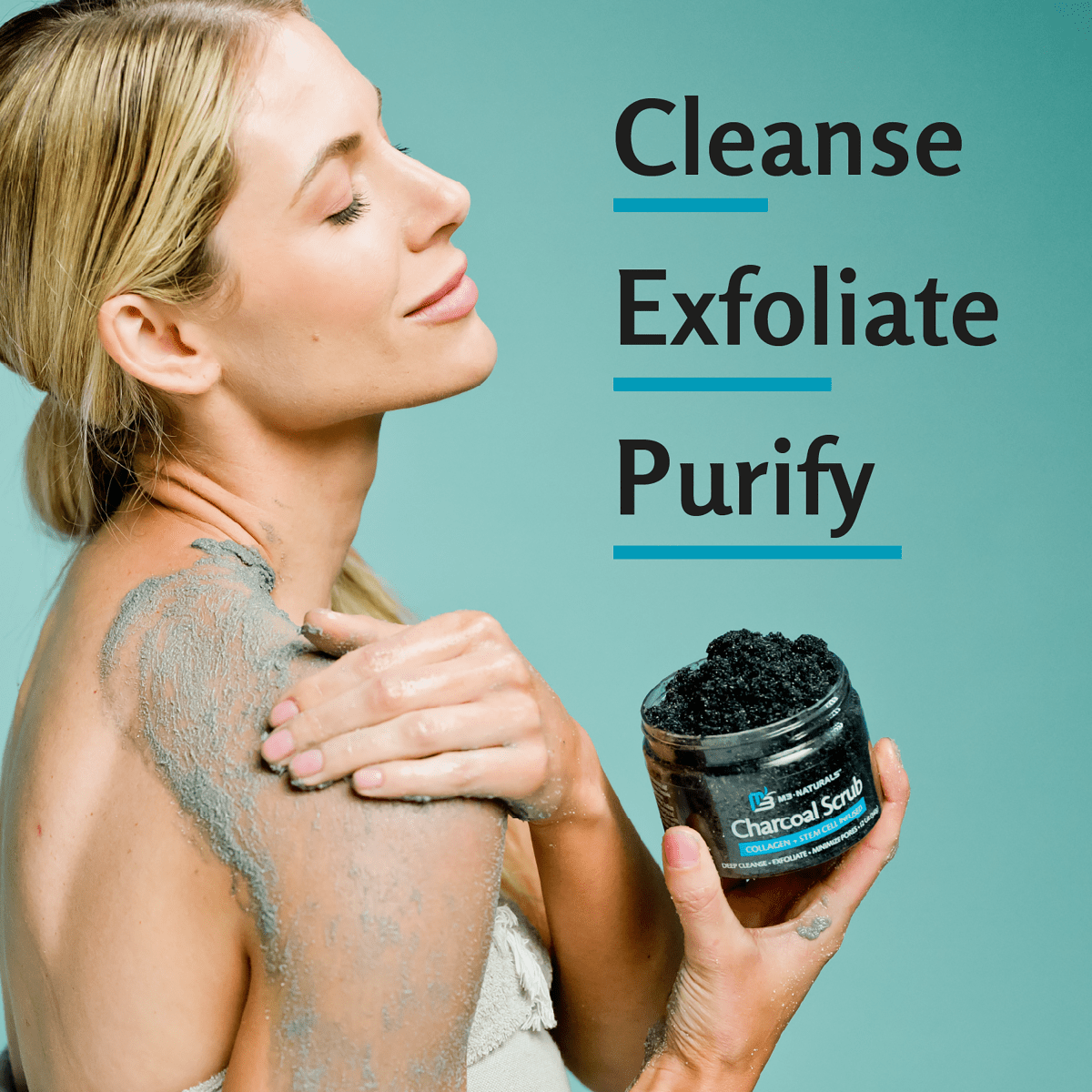
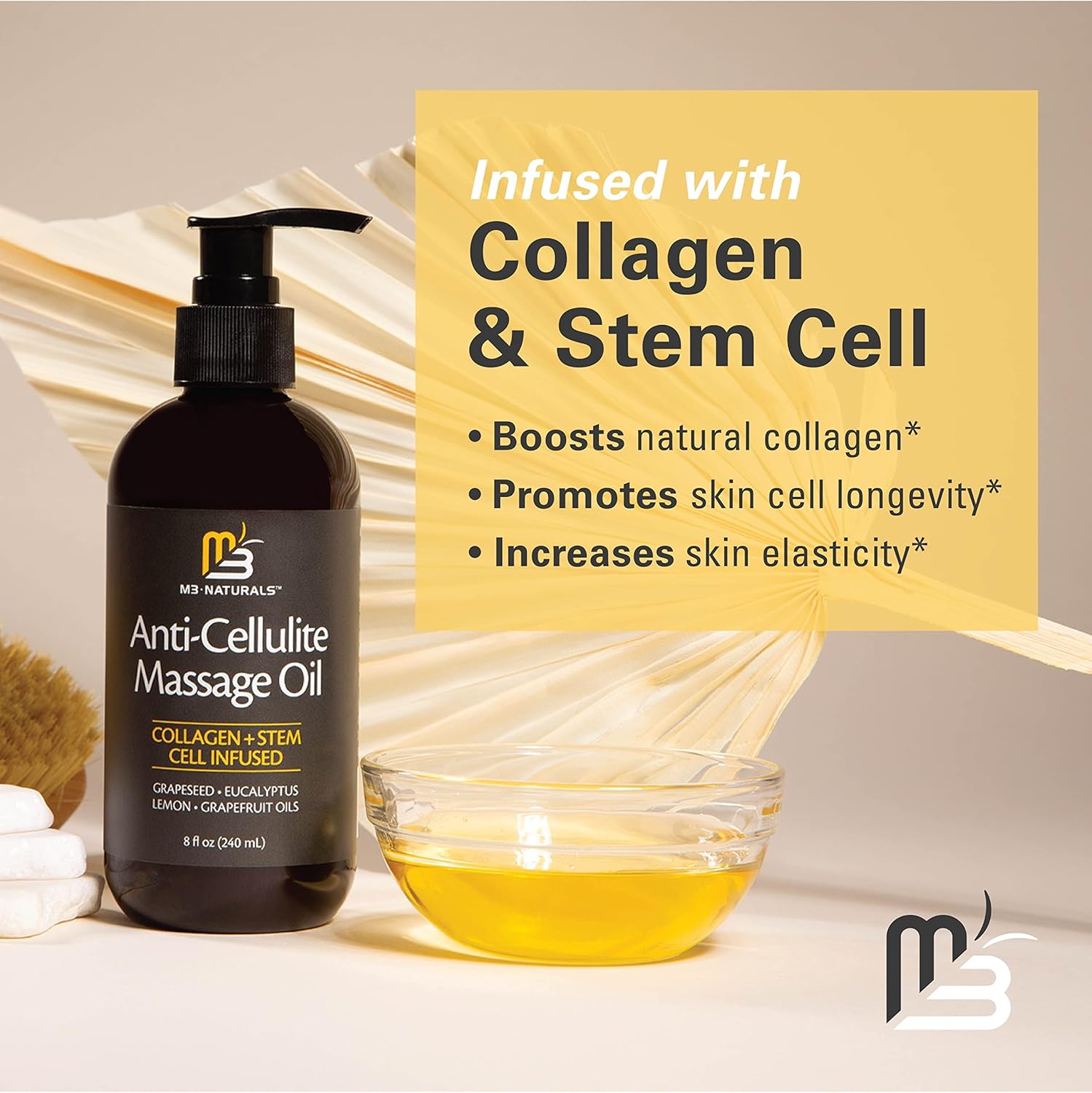
M3naturals makes body care products designed for exactly this kind of sensory, attentive practice. The body scrubs collection uses natural ingredients like charcoal, coconut oil, and botanical extracts that give you real texture to focus on during application. That tactile richness makes it easier to stay present. The massage oils range includes options like Ylang Ylang and Ginger, which engage the limbic system through scent while the slow, deliberate application reinforces the parasympathetic response you are building. Both product lines are formulated without harsh additives, so your skin gets gentle, nourishing care that matches the calm intention behind your routine.
FAQ
What is mindful skincare?
Mindful skincare is the practice of engaging fully with your skincare routine through deliberate, non-judgmental attention to sensory experience. The psychological benefits come from the quality of attention, not the specific products used.
How long does a mindful skincare routine take?
A practical mindful routine takes 5–12 minutes. Even five minutes of focused, sensory attention is enough to modulate stress responses and deliver measurable calm.
Does mindfulness actually improve skin health?
Yes. Mindfulness reduces HPA axis activity and systemic inflammation through the skin-brain axis, which directly improves barrier function and lowers stress-related skin flares.
What is the best way to start a mindful skincare habit?
Start with three slow breaths before touching your skin, then focus on one sensory detail during each step. Consistency matters more than duration or product count.
Can mindful skincare help with anxiety?
Mindful skincare routines increase positive affect and lower post-routine anxiety. Rushing or multitasking during routines reverses this benefit, so slow, focused application is the key variable.