
Natural emollients are ingredients that soften, smooth, and protect skin by filling gaps between skin cells and replenishing lipids. The main types of natural emollients for skin include plant-based oils, natural butters, and triglycerides, each suited to different skin types and dryness levels. Understanding how these categories work helps you choose the right ingredient for your skin’s specific needs. Clinical guidance points to shea butter, sunflower oil, and triglycerides as effective options for supporting skin barrier function. This guide breaks down each category with science-backed benefits and practical tips you can apply today.
1. What are the main types of natural emollients for skin?
Emollients soften and smooth skin by filling the microscopic gaps between skin cells, improving texture and elasticity. They work differently from humectants, which attract water, and occlusives, which form a physical barrier to prevent water loss. Natural emollients replenish the skin’s lipid layer, making the surface feel supple and reducing roughness. The three main categories are plant-based oils, natural butters, and triglyceride-derived ingredients.
Each category has a distinct consistency, lipid profile, and best-use scenario. Light oils suit mild dryness and oily skin types. Rich butters address moderate to severe dryness. Triglycerides offer a middle ground, providing lightweight moisture for sensitive or mildly dry skin. Knowing which category fits your skin condition is the first step toward better hydration.

2. Plant-based oils as natural emollients
Plant oils are the most widely used natural skin moisturizers, and for good reason. They closely mimic the skin’s own sebum, making them compatible with most skin types. Their lipid profiles vary significantly, and that variation determines how well they repair and protect the skin barrier.
Key plant oils used as emollients include:
- Jojoba oil: Technically a liquid wax, jojoba mimics skin’s natural sebum and is noncomedogenic, making it suitable for oily and acne-prone skin.
- Sunflower oil: High in linoleic acid, sunflower oil accelerates skin barrier repair and reduces the severity of conditions like atopic dermatitis.
- Avocado oil: Rich in oleic acid and vitamins, avocado oil penetrates deeply and works well for dry or mature skin.
- Coconut oil: High in saturated fats, coconut oil provides strong occlusive properties and suits very dry body areas, though it may clog pores on the face.
- Olive oil: A classic plant-based emollient, olive oil contains oleic acid and antioxidants. Comparing olive oil and seed oils reveals meaningful differences in fatty acid profiles that affect skin outcomes.
The linoleic to oleic acid ratio in any given oil determines its skin-protective effect. High-linoleic oils like sunflower and safflower repair the barrier faster. High-oleic oils like avocado and olive penetrate more deeply and provide longer-lasting softness.
Pro Tip: If your skin is oily or breakout-prone, choose high-linoleic oils like sunflower or jojoba. If your skin is dry and tight, reach for high-oleic options like avocado or olive oil.
3. Natural butters and their role in emollient skincare
Natural butters are the richest category of plant-based emollients. They contain dense lipid concentrations that provide both emollient and occlusive effects, meaning they soften skin and seal in moisture at the same time. Shea and cocoa butters are clinically recognized as effective for moderate to severe dry skin and compromised skin barriers.
Common natural butters include:
- Shea butter: Extracted from the shea tree nut, shea butter is high in oleic and stearic acids. It absorbs well for a butter and suits dry, sensitive, and eczema-prone skin.
- Cocoa butter: Derived from cacao beans, cocoa butter is firmer and more occlusive than shea. It works well on very dry body areas like elbows, knees, and heels.
- Mango butter: Lighter than cocoa butter, mango butter contains stearic and oleic acids and suits people who want the richness of a butter without the heaviness of cocoa.
Butters work best when applied to slightly damp skin right after a shower. The moisture already on the skin gets locked in by the butter’s occlusive layer, extending hydration for hours. For severely dry or cracked skin, products like a tallow balm for sensitive skin offer a similar dense lipid profile with strong barrier-repair properties.
Pro Tip: Warm a small amount of shea or mango butter between your palms before applying. This reduces the drag on skin and improves absorption.
4. Triglycerides and derivative emollients in natural skincare
Triglycerides derived from natural oils are lightweight emollients that improve membrane fluidity and support skin barrier signaling. Triglyceride-rich ingredients offer effective moisture for sensitive or mildly dry skin without the heaviness of butters. Caprylic/capric triglycerides, derived from coconut oil, are among the most common examples in natural skincare formulations.
These ingredients work by:
- Filling intercellular gaps in the stratum corneum, the outermost skin layer
- Improving the skin’s ability to retain moisture without feeling greasy
- Enhancing the delivery of other active ingredients into the skin
- Providing a silky texture that makes products easier to spread
Triglycerides appear frequently in serums, light lotions, and facial oils. They suit people who find plant butters too heavy but still need more than a basic lotion. Understanding bioavailability in skincare helps explain why triglyceride-rich formulas often outperform single-ingredient oils in terms of skin absorption and efficacy.
5. How to choose the best natural emollient for your skin
Choosing the right emollient depends on your skin’s dryness level, skin type, and the body area you are treating. The wrong match can leave skin feeling greasy, cause breakouts, or simply fail to provide enough moisture. A structured approach removes the guesswork.
- Assess your dryness level. Mild dryness responds well to light plant oils like jojoba or sunflower. Moderate dryness benefits from mango butter or avocado oil. Severe dryness or cracked skin needs the density of shea butter, cocoa butter, or a triglyceride-rich ointment.
- Match the emollient to the body area. Facial skin is more sensitive and prone to congestion. Use noncomedogenic oils like jojoba on the face. Reserve heavier butters for elbows, knees, and feet.
- Layer with humectants and occlusives. Combining emollients with humectants like glycerin and occlusives like beeswax produces better results than using any single ingredient type alone. Apply a humectant first, then an emollient, then a light occlusive if needed.
- Consider product form. Occlusive ointments and sprays leave a thicker film and maintain moisture longer. Lotions and creams vary in water and oil content, making them better suited for daytime use on larger body areas.
- Check the water-to-oil ratio. Formulations with more than 20% water and less than 50% lipids work best for mild barrier compromise. This ratio improves how well the emollient penetrates and performs. The M3naturals guide on natural ingredient skin benefits explains this balance in practical terms.
Pro Tip: Apply your emollient within three minutes of washing your face or showering. Skin absorbs lipids more effectively when it is still slightly damp.
6. Comparing natural emollient categories at a glance
| Category | Consistency | Best for | Typical uses | Key benefit |
|---|---|---|---|---|
| Plant-based oils | Light to medium | Mild dryness, oily skin, sensitive skin | Face, body, hair | Mimics sebum, fast absorption |
| Natural butters | Thick, rich | Moderate to severe dryness | Elbows, heels, body | Strong occlusive and emollient effect |
| Triglycerides | Very light | Sensitive skin, mild dryness | Face serums, light lotions | Improves membrane fluidity, silky feel |
Plant oils suit daily use across most skin types. Butters work best as targeted treatments for dry patches or as overnight body treatments. Triglycerides fit well into layered routines where you want lightweight moisture without heaviness. Climate matters too. In dry or cold climates, richer butters and high-oleic oils provide more protection. In humid climates, lighter oils and triglycerides prevent the greasy buildup that heavier formulas can cause.
Key takeaways
Natural emollients work best when matched to your skin’s dryness level, with plant oils for mild dryness, butters for moderate to severe dryness, and triglycerides for sensitive or mildly dry skin.
| Point | Details |
|---|---|
| Emollients fill skin gaps | They smooth and soften skin by replenishing lipids between skin cells. |
| Linoleic acid drives repair | High-linoleic oils like sunflower accelerate barrier repair faster than high-oleic oils. |
| Butters suit severe dryness | Shea and cocoa butter provide both emollient and occlusive effects for compromised skin. |
| Layer for best results | Combine emollients with humectants and occlusives for complete hydration. |
| Water-to-oil ratio matters | Formulations with over 20% water and under 50% lipids perform best for mild dryness. |
What I’ve learned from years of working with natural emollients
Most people treat emollients as a single category, reaching for whatever oil or butter is trending. That approach misses the point entirely. The real skill is in matching the lipid profile of an ingredient to the specific condition of your skin on any given day, not just your skin type in general.
I’ve found that the biggest mistake people make is skipping humectants. An emollient alone softens the skin surface, but without a humectant like glycerin or hyaluronic acid underneath it, you are not pulling water into the skin. You are just coating it. The synergistic approach of combining all three moisturizer types consistently outperforms any single-ingredient routine.
Seasonal switching also matters more than most people realize. I use lighter jojoba-based formulas in summer and shift to shea-heavy products in winter. The skin’s barrier behaves differently under cold, dry air, and it needs denser lipids to compensate. Experimenting with this kind of intentional rotation, rather than sticking rigidly to one product year-round, produces noticeably better skin texture over time. Consistency, combined with flexibility, is what actually builds a resilient skin barrier.
— SuperNatural
Natural emollient-rich products from M3naturals
M3naturals formulates its body and skincare products around the same natural emollient principles covered here. Each product uses ethically sourced botanical ingredients like coconut oil, lavender, and turmeric to deliver real moisture and barrier support.
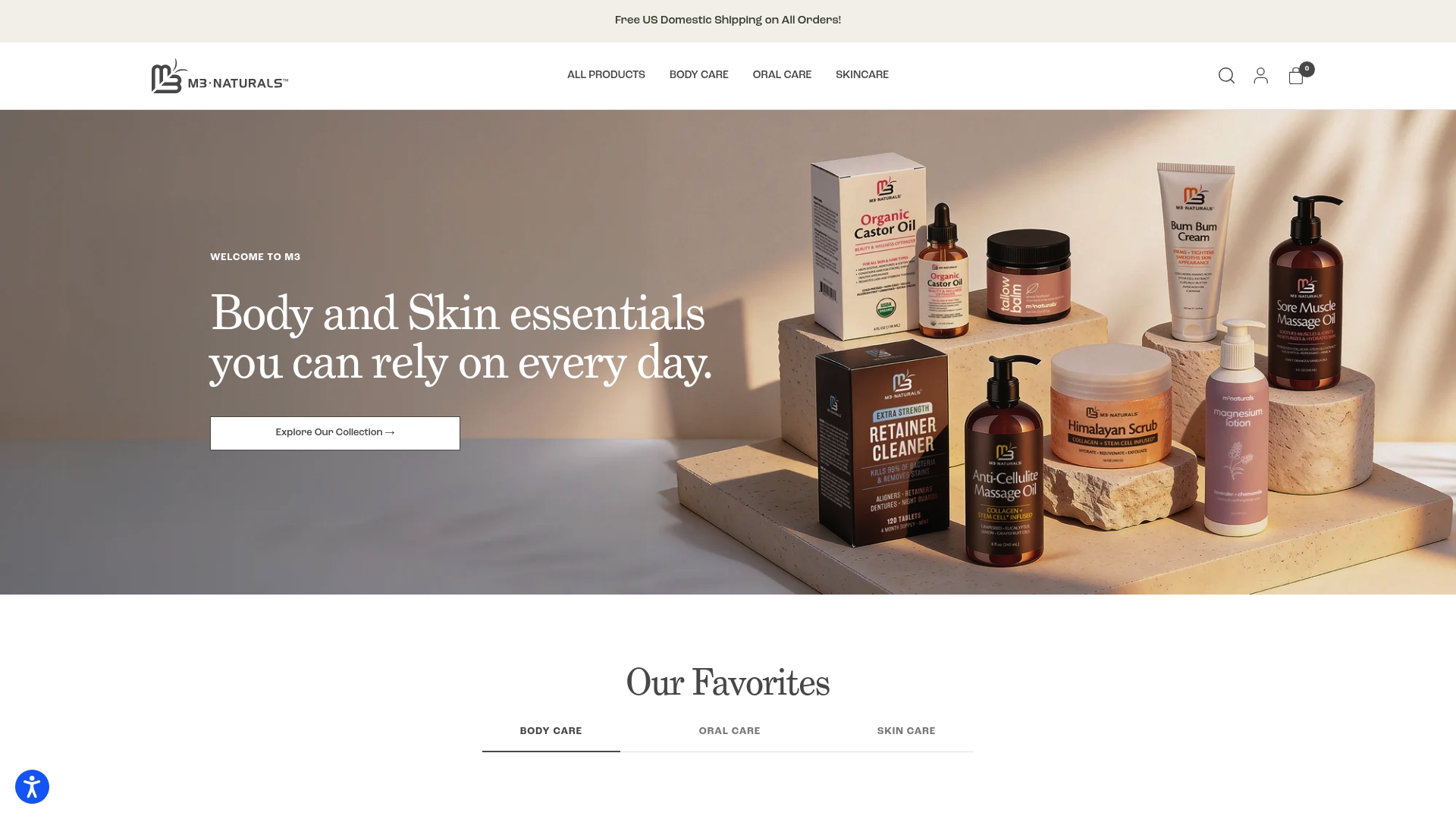
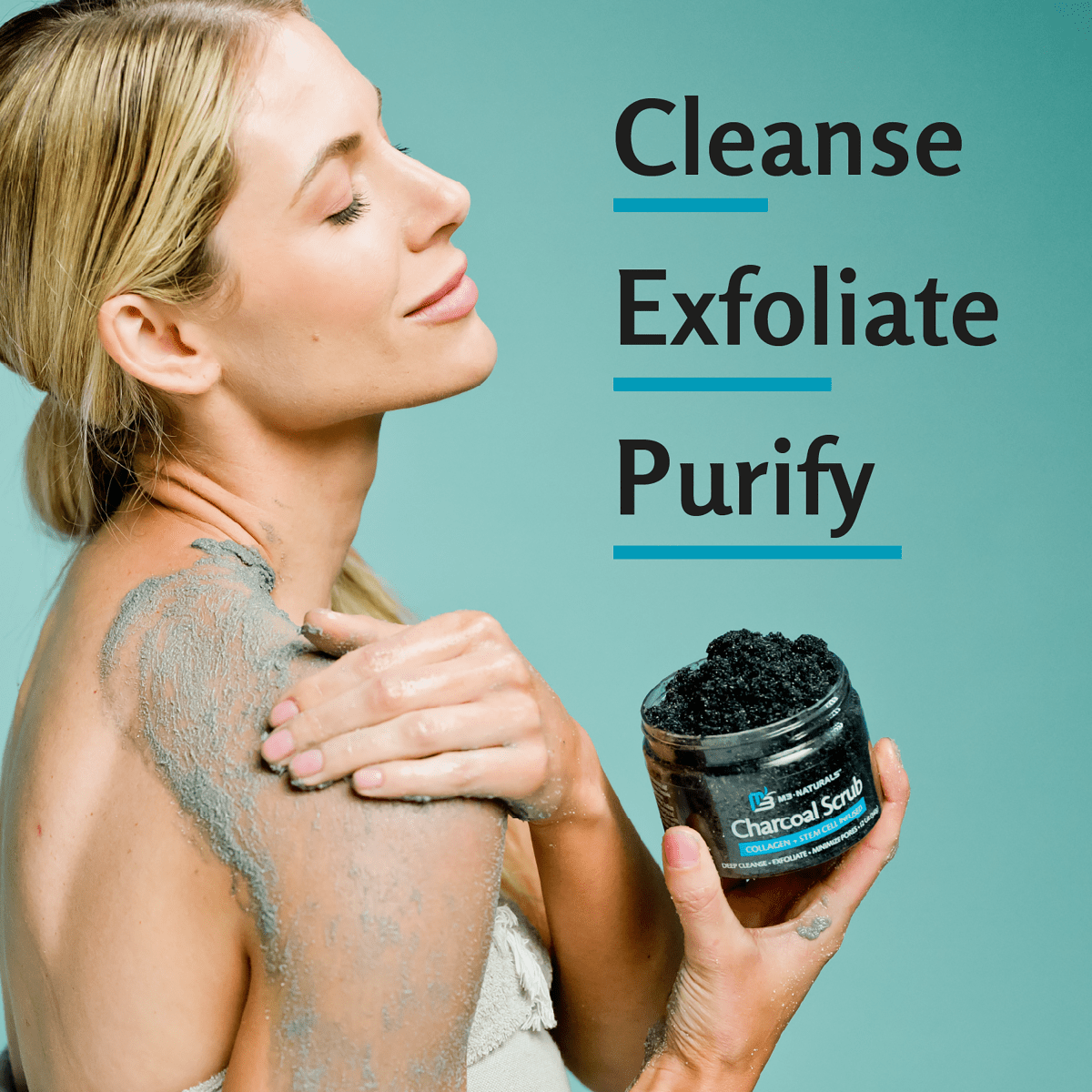
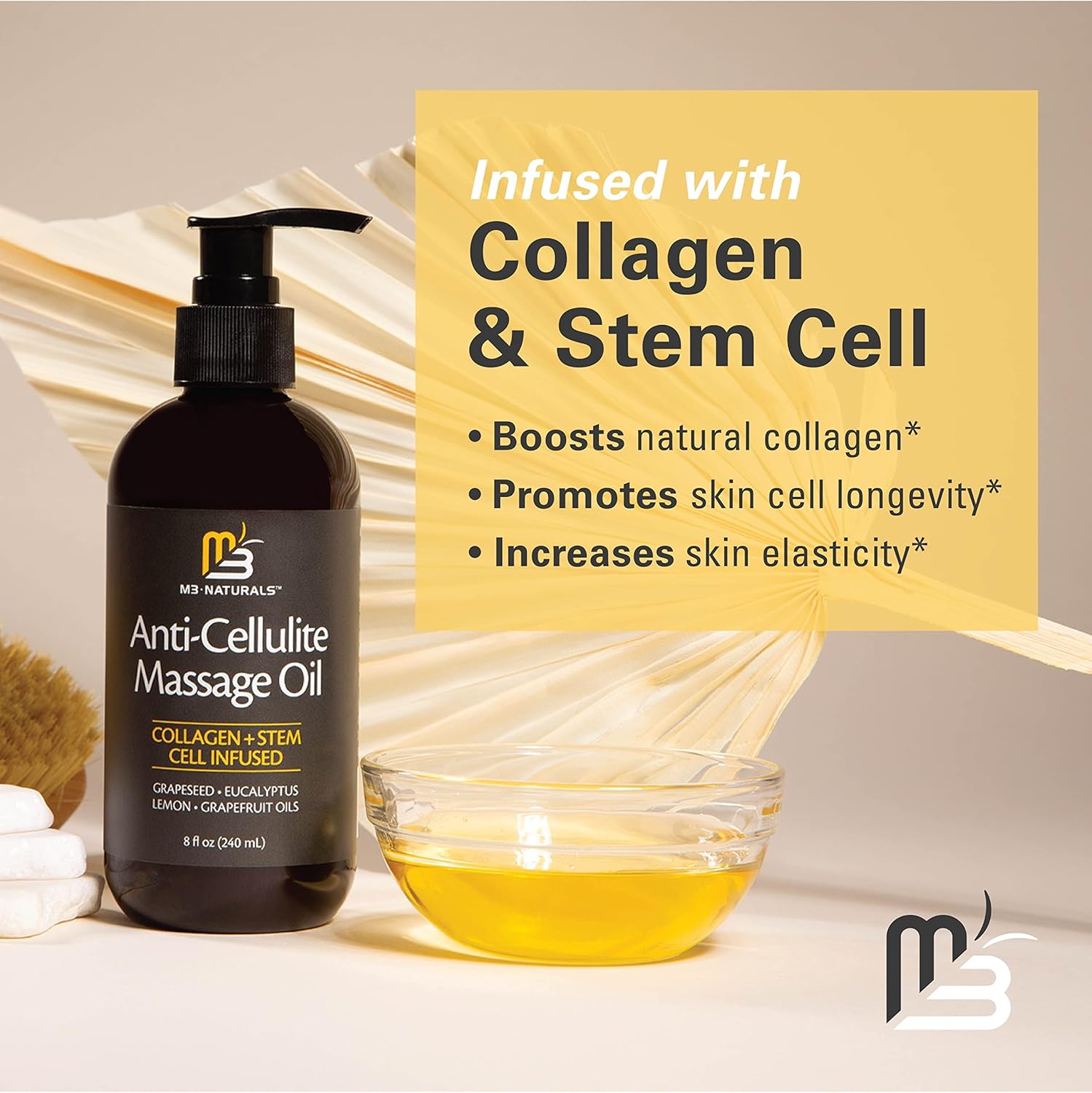
The M3naturals massage oils collection features plant-based oils that absorb quickly and leave skin feeling soft without greasiness. For skin that needs exfoliation alongside moisture, the M3naturals body scrubs combine natural emollients with gentle physical exfoliants to remove dead skin cells and allow better ingredient absorption. Both collections reflect the same science-backed approach to natural skincare described throughout this guide.
FAQ
What is the difference between an emollient and a moisturizer?
An emollient is one type of moisturizing ingredient that softens skin by filling gaps between skin cells. A moisturizer is a product that may contain emollients, humectants, and occlusives working together.
Are natural emollients safe for sensitive skin?
Most natural emollients, including jojoba oil and shea butter, suit sensitive skin well. High-linoleic oils like sunflower oil are particularly gentle and support barrier repair without irritation.
Can natural oils clog pores?
Noncomedogenic oils like jojoba and sunflower do not clog pores for most people. Coconut oil and cocoa butter carry a higher comedogenic rating and work better on the body than on the face.
How often should you apply a natural emollient?
Apply a natural emollient at least once daily, ideally right after bathing while skin is still slightly damp. Severely dry or compromised skin benefits from twice-daily application.
What is the best natural emollient for dry skin?
Shea butter is the most clinically supported natural emollient for moderate to severe dry skin. For mild dryness, high-linoleic oils like sunflower oil provide effective and lightweight hydration.