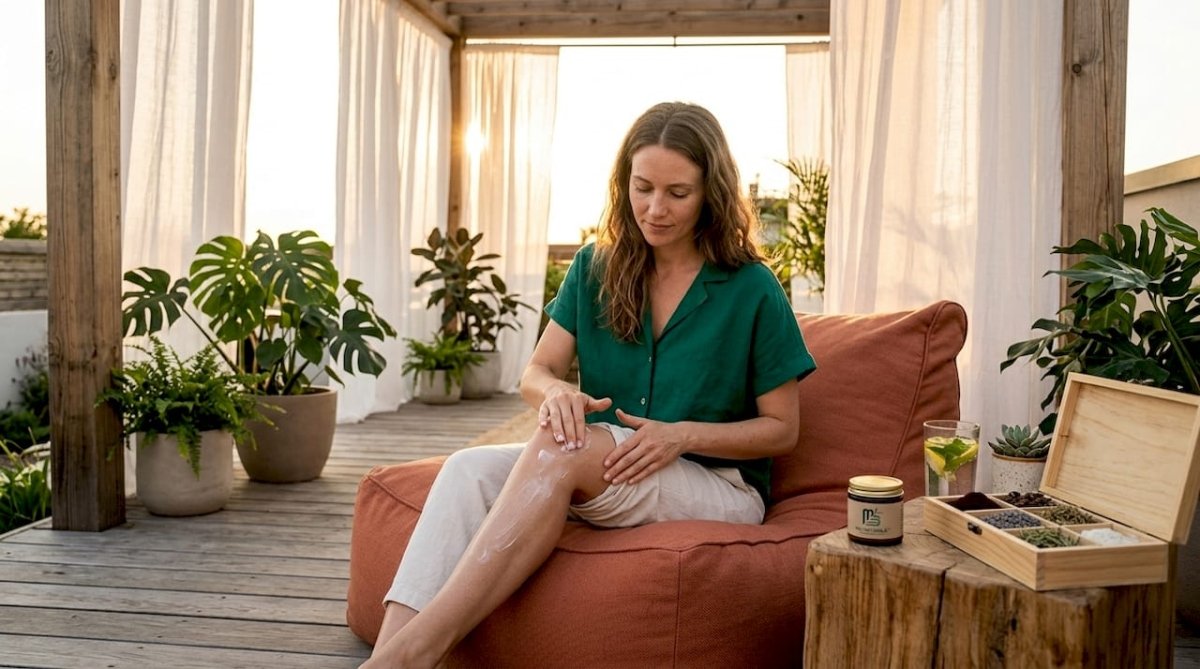

Holistic skincare is defined as the practice of nurturing skin by treating the whole person — body, mind, lifestyle, and environment — rather than applying topical products alone. Where conventional routines target surface symptoms, this integrative approach addresses root causes: chronic stress, poor gut health, nutritional gaps, and disrupted sleep. Brands like M3naturals have built their entire product philosophy around this principle, formulating with botanical ingredients such as turmeric, charcoal, and lavender that support skin from the outside while complementing the inside work. Understanding what holistic skincare means gives you a framework for making choices that pay off long after the serum dries.
What is holistic skincare and why does it matter?
Holistic skincare treats the skin as a reflection of overall health, not a standalone organ to be managed with creams. The integrative wellness approach blends advanced scientific treatments with traditional practices and emphasizes prevention, balance, and inner health for sustainable skin wellbeing. That framing matters because it shifts your goal from “clearing a breakout” to “understanding why breakouts keep happening.”
The industry term for this philosophy is integrative skincare, though “holistic skincare” is the phrase most consumers search and most brands use. Both describe the same core idea: skin health is downstream of whole-body wellness. Innovations like probiotic serums, medifacials, and mindfulness practices now sit alongside rituals like forest bathing and lymphatic drainage in the same wellness conversation. This is not a trend. It is a structural shift in how dermatologists, estheticians, and consumers think about skin.
The practical implication is that your skincare routine is only one variable. Diet, sleep architecture, stress hormones, and gut microbiome diversity all influence what you see in the mirror every morning. Holistic skincare benefits accumulate when you address all of these levers together, not just the one you can buy in a bottle.
What key lifestyle factors impact holistic skin health?
Skin condition is a lifestyle-driven outcome shaped by sleep, nutrition, stress management, and gut health working in combination. Each factor influences the others, which is why fixing one while ignoring the rest produces limited results.
The gut-skin-brain axis
The gut-skin-brain axis is a biological framework explaining how gut microbiome imbalances and stress-related signaling contribute to inflammatory skin conditions like acne and eczema. When gut bacteria diversity drops, intestinal permeability increases, and inflammatory compounds enter the bloodstream, the skin often shows the consequences first. Dermatology reviews confirm the biological plausibility of this connection, though they also note its complexity and the need for complementary approaches alongside medical care.
Probiotics are one of the most studied dietary tools for supporting this axis. Lactobacillus and Bifidobacterium strains promote beneficial gut bacteria colonization, support the intestinal barrier, and reduce allergic and inflammatory responses relevant to skin health. Fermented foods like kefir, kimchi, and plain yogurt deliver these strains without requiring a supplement protocol.
Sleep, stress, and antioxidant nutrition
Sleep is when the skin repairs collagen, clears cellular debris, and resets its moisture barrier. Chronic sleep deprivation elevates cortisol, which breaks down collagen and triggers sebum overproduction. Seven to nine hours of quality sleep is not a luxury in a holistic skincare routine. It is the foundation everything else rests on.
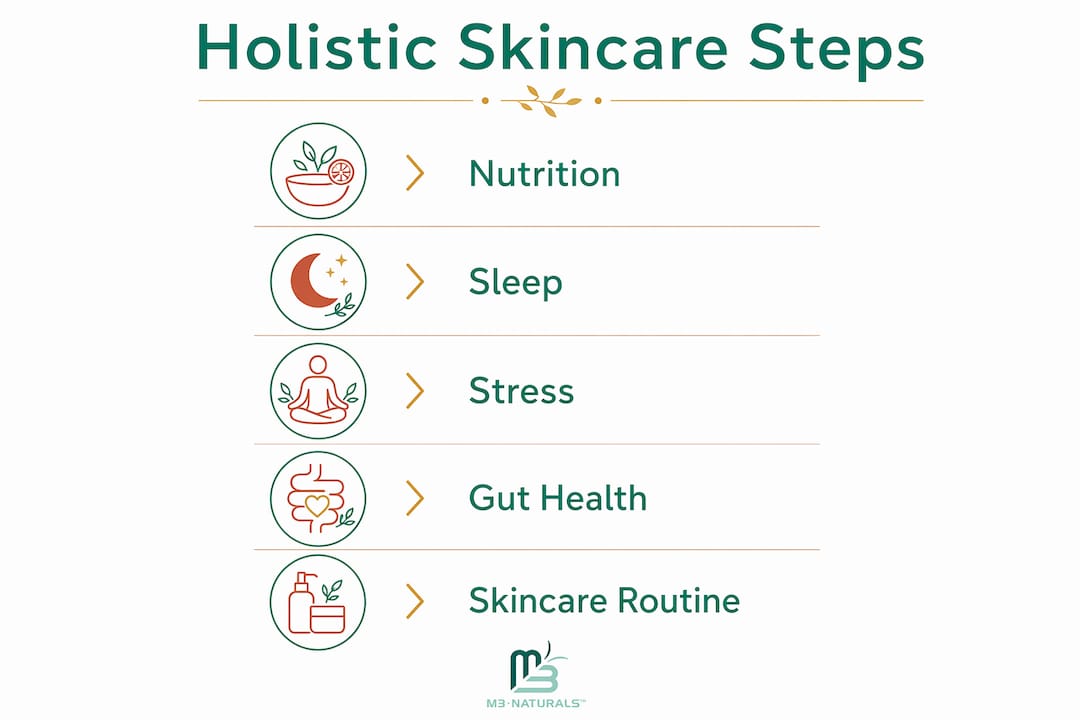
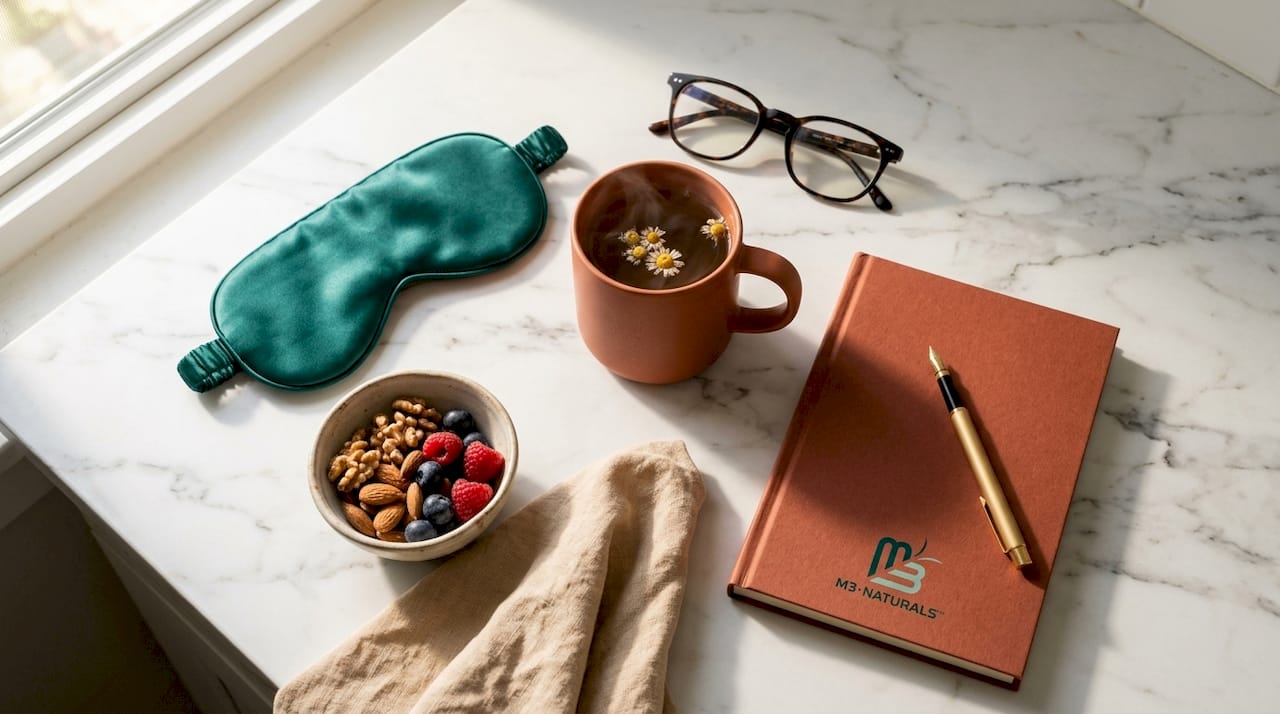
Stress management works through the same cortisol pathway. Practices like breathwork, yoga, and even consistent walking lower circulating cortisol and reduce the inflammatory load that shows up as redness, dullness, or flare-ups. Antioxidant-rich foods, including blueberries, leafy greens, and walnuts, neutralize free radicals before they degrade skin cells. Pairing these foods with adequate hydration keeps the skin’s barrier function intact from the inside.
Key lifestyle factors that support holistic skin health:
- Gut health: Eat probiotic-rich and fiber-dense foods to support microbiome diversity.
- Sleep quality: Prioritize seven to nine hours to allow skin repair and cortisol regulation.
- Stress reduction: Practice breathwork, yoga, or regular movement to lower inflammatory signaling.
- Antioxidant nutrition: Include berries, leafy greens, and healthy fats daily.
- Hydration: Drink adequate water to maintain the skin’s barrier and elasticity.
Pro Tip: Add a tablespoon of ground flaxseed to your morning smoothie. It delivers omega-3 fatty acids and lignans that support both gut health and skin barrier integrity, two pillars of holistic skin health tips that most people overlook.
How do holistic skincare products differ from conventional or natural skincare?
Holistic skincare products emphasize natural, non-toxic, botanical ingredients designed to support overall mind, body, and spirit wellness rather than just surface effects. That definition separates them from several overlapping but distinct categories that consumers frequently confuse.
Understanding these distinctions helps you read labels accurately and spend money on products that match your actual goals. The table below clarifies the key differences.
| Category | Core focus | Ingredient standard | Wellness scope |
|---|---|---|---|
| Holistic skincare | Whole-person wellness | Natural, non-toxic, botanical | Mind, body, and skin together |
| Organic skincare | Certified ingredient sourcing | USDA or equivalent certified | Primarily topical |
| Clean beauty | Avoiding harmful chemicals | No defined legal standard | Primarily topical |
| Natural skincare | Plant-derived ingredients | No regulated definition | Primarily topical |
| Conventional skincare | Symptom treatment | Synthetic or mixed | Surface only |
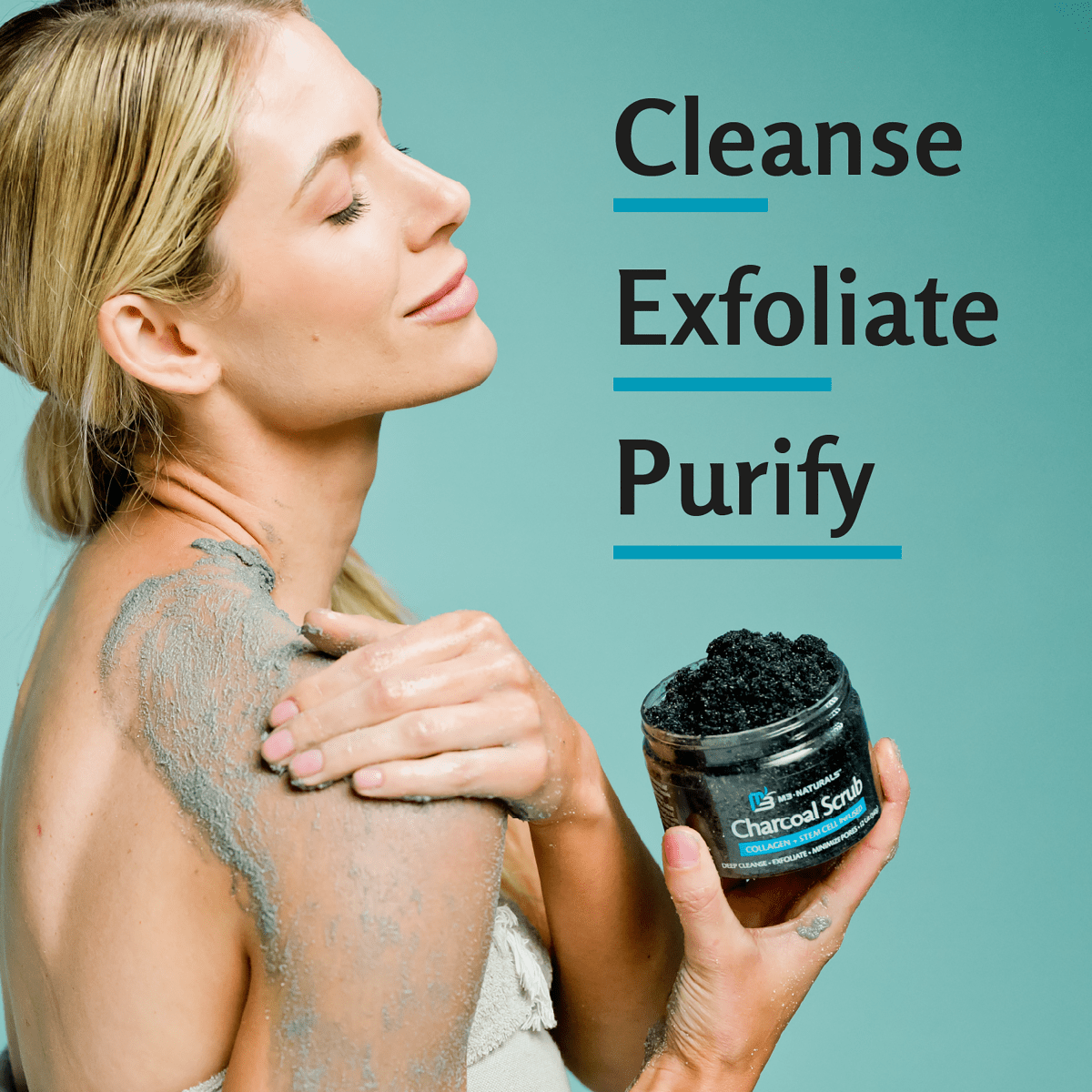
The critical distinction is intent. Organic and natural skincare practices focus on what goes into the formula. Holistic skincare asks what the formula is designed to do within a broader wellness system. A charcoal body scrub from M3naturals, for example, is not just an exfoliant. It is a ritual tool that removes dead skin, stimulates circulation, and creates a mindful self-care moment, all of which align with holistic beauty goals.
One area where consumers need to exercise caution is with potent botanicals. Patch testing is non-negotiable before introducing strong plant-based actives like tea tree oil, turmeric, or retinol alternatives. Dermatologists urge mindful use to avoid adverse effects, particularly for people with sensitive or reactive skin.
Pro Tip: When evaluating a product’s holistic credentials, look beyond the ingredient list. Ask whether the brand communicates a wellness philosophy, uses ethically sourced botanicals, and avoids synthetic fragrances and endocrine-disrupting preservatives. Ingredient intent matters as much as ingredient origin.
What practical steps can you take to achieve holistic beauty?
Achieving holistic beauty is less about buying the right products and more about building a system where products, habits, and mindset reinforce each other. The following sequence gives you a practical starting point.
-
Audit your current routine. Identify which products contain synthetic fragrances, parabens, or sulfates and replace them gradually with botanical alternatives. Abrupt overhauls often cause skin reactions. Gradual substitution lets your skin adapt.
-
Add a morning facial massage. Spend two to three minutes using upward strokes with a facial oil or serum. Facial massage and lymphatic drainage boost mood, energy, and skin appearance, aligning with holistic beauty’s emotional wellness goals. This is one of the most underused tools in natural skincare practices.
-
Restructure your plate before your shelf. Add one probiotic food and one antioxidant-rich food to your daily diet before purchasing a new serum. Internal support amplifies what topical products can achieve.
-
Build a stress-reduction anchor. Choose one daily practice, whether it is ten minutes of meditation, a walk outside, or a journaling session, and treat it as non-negotiable skincare. Cortisol management is holistic wellness in action.
-
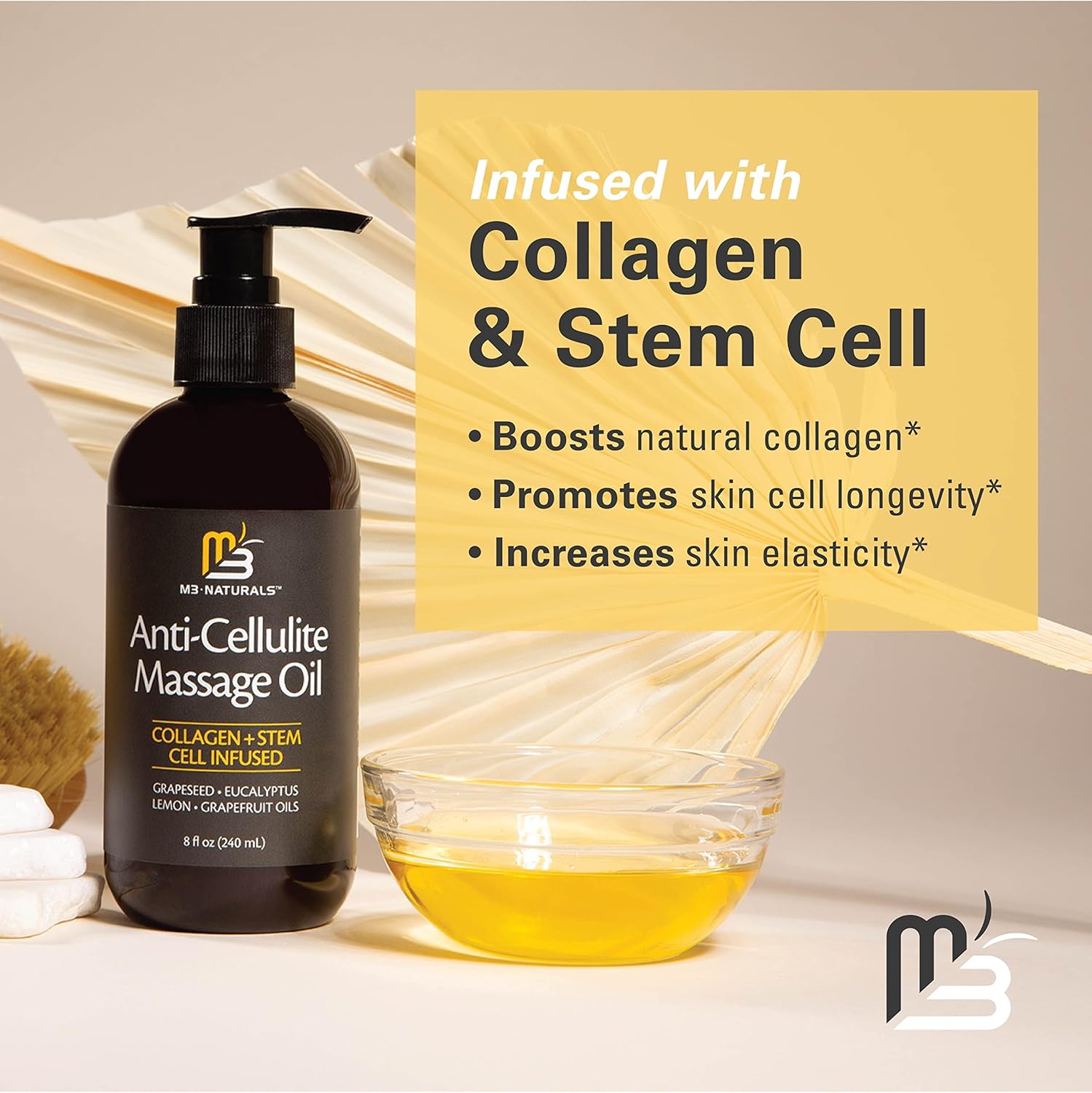
Introduce body care rituals. Weekly exfoliation with a natural body scrub removes dead skin cells, stimulates circulation, and creates a mindful pause in your week. Follow with a botanical massage oil to lock in moisture and support lymphatic flow.
-
Consult a dermatologist before adding supplements. Collagen peptides, zinc, and vitamin D are frequently cited in holistic skincare circles, but dosing without bloodwork can create imbalances. Professional guidance keeps your approach evidence-based.
-
Track your skin over 30-day cycles. Holistic changes take time. Photograph your skin weekly, note sleep hours, stress levels, and diet quality alongside product use. Patterns emerge that no single product review can reveal.
The most common pitfall is treating holistic skincare as an ingredient checklist rather than a lifestyle integration. Buying a turmeric face mask while sleeping five hours a night and eating processed food produces minimal results. The herb-infused skincare products work best when the internal environment supports them.
What does the evidence say about holistic skincare’s effectiveness?
Complementary and alternative medicines in dermatology show promising potential but face methodological challenges. Most studies are small, lack standardized dosing, and use variable outcome measures. Clinicians should stay informed and guide safe integrative skincare use rather than dismissing or uncritically endorsing it. That nuance is worth holding onto.
What the evidence does support clearly is the gut-skin connection. The gut-skin-brain axis theory explains skin inflammation linked to stress and gut microbiome disruption, reinforcing a holistic approach involving mental health and diet. Probiotic supplementation shows measurable effects on inflammatory markers relevant to acne and eczema, though precise dosing and condition-specific recommendations are still being refined. Holistic skincare supplements should be adjunctive, not sole treatments.
“Integrative approaches combining complementary and alternative treatments with conventional dermatology may better reflect how patients actually use these therapies in real life.” — Journal of Clinical and Aesthetic Dermatology
The most credible expert position is one of informed optimism. Personalized, evidence-based holistic approaches that combine botanical topicals, dietary support, stress management, and professional dermatology produce better outcomes than any single modality alone. The skin responds to the whole system, not just the most expensive product in it.
Key takeaways
Holistic skincare works because it addresses the root causes of skin conditions through nutrition, sleep, stress management, and botanical topicals working together as one system.
| Point | Details |
|---|---|
| Root-cause focus | Holistic skincare targets gut health, cortisol, and sleep, not just surface symptoms. |
| Gut-skin connection | Lactobacillus and Bifidobacterium probiotics reduce inflammatory responses that affect skin. |
| Product distinctions | Holistic products differ from organic and clean beauty by their whole-person wellness intent. |
| Ritual value | Facial massage and lymphatic drainage support both skin appearance and emotional wellness. |
| Evidence standard | Supplements should complement, not replace, conventional dermatology and professional guidance. |
Why I think most people are doing holistic skincare backwards
Most people discover holistic skincare through a product, a charcoal scrub, a turmeric serum, a probiotic supplement, and then build outward from there. That is the wrong direction. After spending years studying how skin responds to lifestyle changes, the pattern is clear: the internal work creates the conditions for topical products to perform. When you fix your sleep and clean up your diet first, even a basic moisturizer works better.
The other mistake I see constantly is treating every botanical ingredient as automatically safe because it is natural. Potent plant actives like undiluted essential oils, high-concentration retinol alternatives, and certain acids can cause real irritation, especially on compromised skin barriers. The holistic approach includes respecting the power of what you put on your skin, not just celebrating its natural origin.
What I find genuinely exciting about where integrative skincare is heading is the convergence of microbiome science and traditional botanical wisdom. Probiotic serums and adaptogenic herbs like ashwagandha and reishi are moving from fringe to formulation. The pH balance in skincare is another factor that ties internal and external health together in ways most routines still ignore.
My honest recommendation: start with sleep and one dietary change before you spend another dollar on products. The results will surprise you.
— SuperNatural
Start your holistic ritual with M3naturals
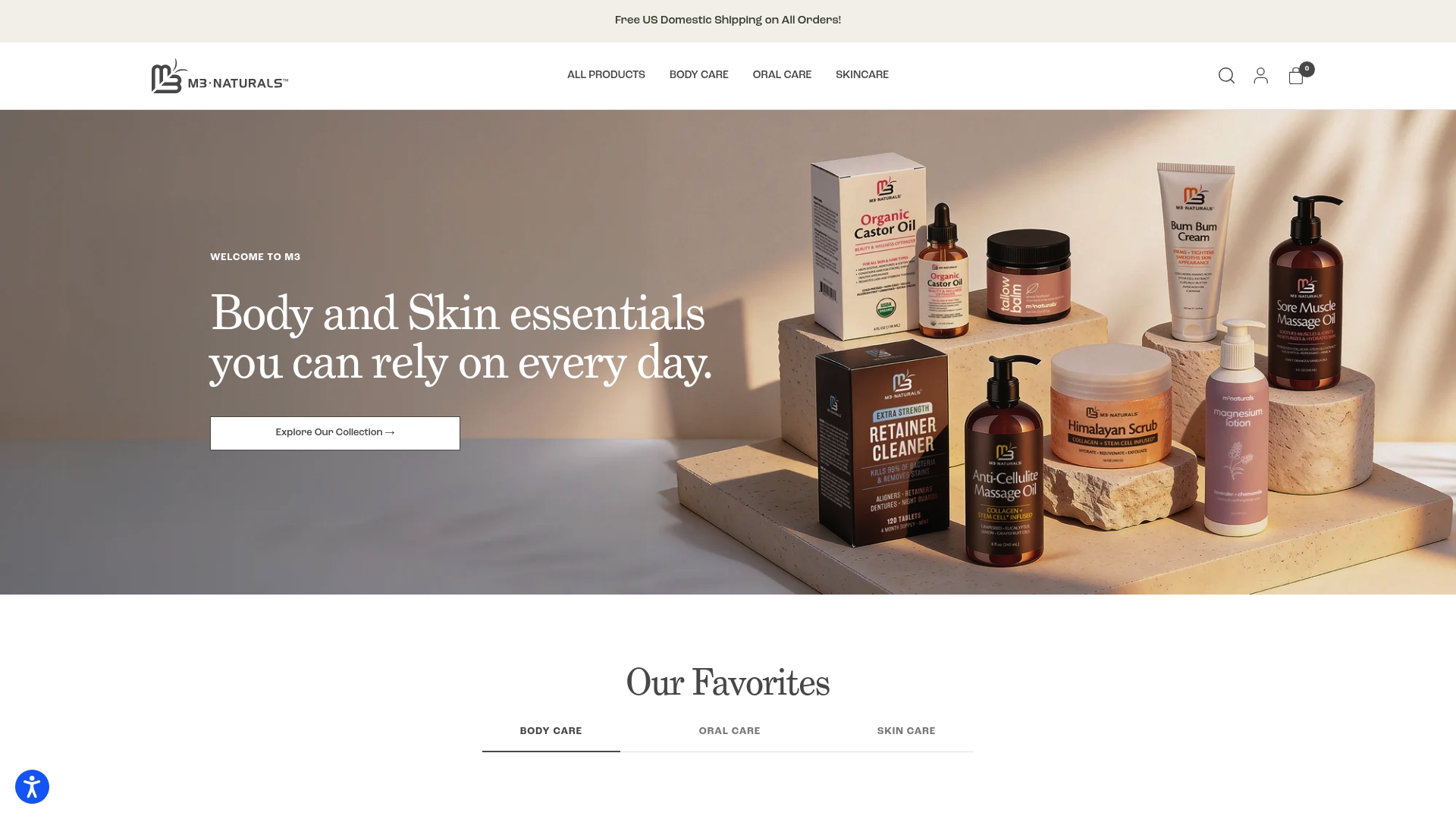
M3naturals makes it straightforward to bring holistic body care into your daily routine without overhauling everything at once. Their natural body scrubs are formulated with ethically sourced botanicals like charcoal, coconut oil, and lavender, ingredients chosen for their skin-nourishing and sensory benefits. Pair a weekly scrub session with one of their botanical massage oils to support lymphatic drainage and lock in moisture after exfoliation. Both collections are built around the principle that effective skin care is also a form of self-care. Explore the full body care range to find products that fit your wellness routine and your skin’s specific needs.
FAQ
What is holistic skincare in simple terms?
Holistic skincare is the practice of caring for skin by addressing the whole body, including diet, sleep, stress, and gut health, alongside topical products. It treats skin conditions as symptoms of whole-body imbalances rather than isolated surface problems.
How does gut health affect skin appearance?
The gut-skin-brain axis links gut microbiome imbalances and stress signaling to inflammatory skin conditions like acne and eczema. Consuming probiotic-rich foods or supplements containing Lactobacillus and Bifidobacterium strains can reduce inflammatory responses that affect skin clarity.
Are holistic skincare products the same as natural or organic skincare?
No. Natural and organic skincare focus on ingredient sourcing and formulation standards. Holistic skincare products go further by emphasizing a whole-person wellness philosophy, meaning the product is designed to support mind, body, and skin together, not just avoid synthetic chemicals.
How long does it take to see results from a holistic skincare routine?
Most holistic changes, particularly those involving diet, sleep, and stress management, require four to eight weeks before visible skin improvements appear. Tracking sleep, stress, and diet alongside skin condition over 30-day cycles helps identify which changes are driving results.
Can holistic skincare replace conventional dermatology?
Holistic skincare complements conventional dermatology but does not replace it. Integrative approaches that combine botanical topicals, lifestyle adjustments, and professional medical care produce better outcomes than either approach used alone.