
Natural cellulite treatment ingredients are compounds that reduce the visible appearance of cellulite by acting on fat metabolism, microcirculation, and skin structure. Clinically, this condition is known as edematous-fibro-sclerotic panniculopathy (EFSP), and the most studied topical actives include caffeine, retinoids, and botanical extracts like Centella asiatica and ginkgo biloba. Research confirms these ingredients deliver modest but consistent improvements over 4 to 12 weeks of consistent use. Results are real, but they require the right ingredients, the right formulation, and realistic expectations.
1. Caffeine: the most clinically supported natural ingredient
Caffeine is the single most researched natural cellulite treatment ingredient available in topical skincare today. Its mechanism is specific: caffeine inhibits phosphodiesterase in fat cells, raises cyclic AMP levels, and activates hormone-sensitive lipase to break down stored fat. This process, called lipolysis, directly targets the fat deposits that push against connective tissue and create the dimpled appearance of cellulite.
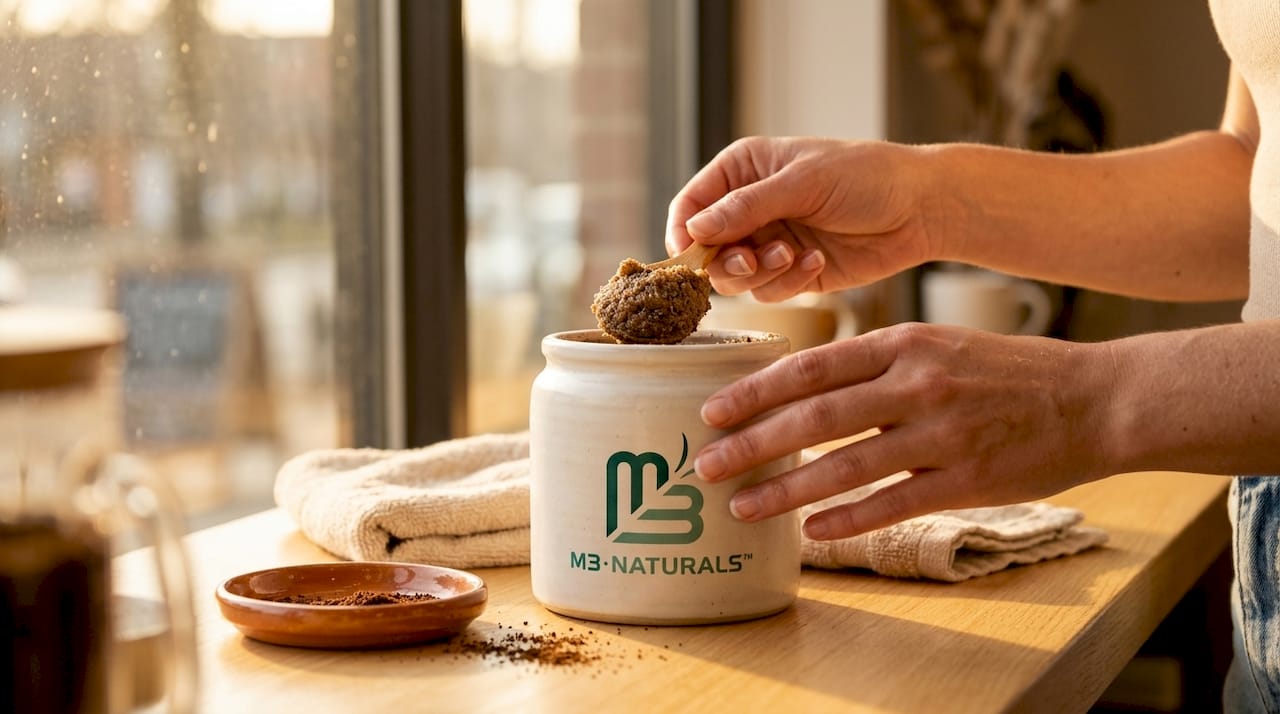
Beyond lipolysis, caffeine improves microcirculation and supports lymphatic drainage, which reduces the fluid buildup that worsens cellulite’s texture. A 2026 randomized, double-blind trial found that a caffeine nano-cream used twice daily for 12 weeks produced a moderate effect size (E.S.=0.475) in reducing visible cellulite and skin-fold thickness, compared to a small effect size (E.S.=0.286) for placebo. That gap matters. It means the ingredient is doing measurable work, not just hydrating the skin.
Formulation technology plays a large role in caffeine’s effectiveness. Nanoemulsions with penetration enhancers like lanolin deliver caffeine deeper into the dermis than standard creams, which is why not all caffeine products perform equally. Look for products that specify nano-delivery or liposomal encapsulation.
- Effective concentration range: 3% to 5% caffeine in topical formulas
- Treatment timeline: visible results typically appear between weeks 4 and 12
- Best delivery formats: nano-creams, coffee-based body scrubs, and massage oils
- Pair with massage: circular application pressure enhances local circulation
Pro Tip: Apply your caffeine-based scrub or cream immediately after a warm shower, when pores are open and blood flow is elevated. This timing improves absorption and amplifies the circulation benefits.
2. Retinoids: slow but structurally durable results
Retinoids work differently from caffeine. Rather than targeting fat directly, they remodel the skin’s structural foundation. Retinoids stimulate dermal fibroblasts to produce more collagen and elastin, thicken the dermis, and increase microvasculature density. The result is firmer, more elastic skin that physically resists the upward pressure of subcutaneous fat.
Split-body clinical studies show histological evidence of collagen upregulation and improved dendrocyte markers with retinoid use. These are not surface-level changes. They represent actual tissue remodeling, which is why retinoids produce more durable improvements than moisturizers alone. The tradeoff is time: expect 8 to 16 weeks before structural changes become visible.
Retinoids work best on early or mild cellulite, where the connective tissue has not yet undergone significant fibrosis. Common forms in body care include retinol (the most widely available), retinaldehyde (faster-converting and less irritating), and prescription-strength tretinoin for severe cases.
- Retinol: widely available, requires conversion to retinoic acid in skin
- Retinaldehyde: one step closer to active form, better tolerated than tretinoin
- Tretinoin: prescription only, fastest acting but highest irritation risk
- Sensitive skin users: start with retinol at 0.1% to 0.3% and increase gradually
Sun sensitivity increases with retinoid use, so apply these products at night and use SPF during the day. Body areas like thighs and buttocks are less sensitive than the face, but irritation can still occur with high concentrations.
3. Centella asiatica, rosemary, and ginkgo biloba
Botanical ingredients are the supporting cast that makes multi-ingredient cellulite formulas outperform single-active products. Botanicals like Centella asiatica, rosemary, and ginkgo deliver antioxidant, anti-inflammatory, and venotonic effects that address the oxidative stress and poor circulation underlying EFSP.
Centella asiatica is the standout botanical for cellulite. Its active compounds, asiaticoside and madecassoside, inhibit fibrosis in connective tissue while stimulating collagen synthesis. This dual action is rare: most ingredients do one or the other. Centella asiatica reduces the fibrous bands that tether skin downward and simultaneously builds the dermal thickness that smooths the surface.
Rosemary contributes phenolic compounds that reduce oxidative stress in the extracellular matrix (ECM). Oxidative damage degrades collagen and elastin over time, accelerating cellulite progression. By protecting ECM integrity, rosemary slows that breakdown. Ginkgo biloba acts as a venotonic agent, maintaining endothelial integrity and improving venous return in the microcirculation. Poor venous drainage is a direct contributor to the edema component of EFSP.
| Botanical | Primary mechanism | Best used for |
|---|---|---|
| Centella asiatica | Antifibrotic + collagen stimulation | Moderate cellulite with fibrous bands |
| Rosemary | ECM antioxidant protection | Preventing collagen degradation |
| Ginkgo biloba | Venotonic, endothelial support | Edema-dominant cellulite |
These botanicals work best when combined with caffeine or retinoids in a multi-active formula, since they address pathways that caffeine and retinoids do not cover on their own.
4. L-carnitine: an emerging ingredient worth watching
L-carnitine is not yet in the same evidence tier as caffeine or retinoids, but the research trajectory is promising. A 2026 systematic review found that topical L-carnitine at 1% to 5% shows emerging evidence for reducing cellulite appearance and improving skin elasticity, particularly when paired with anti-inflammatory agents.
L-carnitine’s primary role in the body is transporting fatty acids into mitochondria for energy production. Topically, it appears to support local fat metabolism while also reducing oxidative stress and inflammation in the dermis. These are two of the four main biological pathways involved in EFSP, which explains why researchers are interested in it as a complementary active.
The limitation is clinical data volume. Current trials are small and short-term. L-carnitine is best viewed as a supporting ingredient in a multi-active formula rather than a standalone treatment. If you see it listed in a cellulite product alongside caffeine or botanicals, that combination is more credible than L-carnitine alone.
5. Peptides: collagen signaling at the cellular level
Peptides are short chains of amino acids that act as signaling molecules in the skin. In cellulite care, the most relevant peptides are those that trigger fibroblasts to produce collagen and elastin, directly addressing the dermal thinning that makes cellulite more visible. They complement retinoids by working through a different signaling pathway, which means combining both can produce additive benefits.
Palmitoyl pentapeptide-4 (Matrixyl) and acetyl hexapeptide-3 are two of the most studied peptides in body care formulations. Their evidence base for cellulite specifically is thinner than for facial anti-aging, but the mechanism is sound. Multi-ingredient formulas combining caffeine, retinoids, peptides, and botanicals consistently outperform single-ingredient products in clinical studies by addressing multiple cellulite pathways simultaneously.
Peptides are stable in most cream and oil formulations and carry a low irritation risk, making them a practical addition for people who cannot tolerate higher concentrations of retinoids. They work slowly, typically over 8 to 12 weeks, and their effects are cumulative rather than dramatic.
6. Best essential oils for cellulite support
Essential oils occupy a specific role in natural skincare for cellulite: they support circulation and lymphatic drainage rather than directly targeting fat or collagen. The best essential oils for cellulite include juniper berry, grapefruit, cypress, and rosemary. Each works primarily by stimulating local blood flow and reducing fluid retention when applied with massage.
Juniper berry oil has diuretic properties that help reduce the edema component of cellulite. Grapefruit oil contains d-limonene, which research links to improved lymphatic function. Cypress oil tightens and tones the skin’s surface while supporting venous circulation. None of these oils penetrate deeply enough to remodel the dermis on their own, but as carriers for massage and as complements to active ingredients like caffeine, they add measurable value.
Pro Tip: Dilute essential oils to 2% to 3% in a carrier oil like coconut or jojoba before applying to skin. Undiluted essential oils can cause irritation, especially on the thighs and abdomen where cellulite is most common.
Pairing essential oils with a hot bath routine before application improves skin permeability and amplifies the circulation benefits. This is a practical home remedy for cellulite that costs very little and integrates easily into a weekly self-care routine.
7. How to choose and combine ingredients effectively
Choosing the right combination of natural skincare ingredients for cellulite depends on your primary concern and your skin’s tolerance. Natural actives targeting multiple biological pathways simultaneously produce better outcomes than any single ingredient used alone.
| Ingredient | Onset of results | Best for | Tolerability |
|---|---|---|---|
| Caffeine | 4 to 8 weeks | All cellulite types | Excellent |
| Retinoids | 8 to 16 weeks | Mild to moderate cellulite | Moderate (start low) |
| Centella asiatica | 6 to 12 weeks | Fibrous, dimpled cellulite | Excellent |
| L-carnitine | 8 to 12 weeks | Edema-dominant cellulite | Excellent |
| Peptides | 8 to 12 weeks | Skin laxity with cellulite | Excellent |
For short-term smoothing, caffeine combined with ginkgo biloba or juniper berry essential oil delivers the fastest visible change. For longer-term skin remodeling, add retinol or a peptide complex to your routine after the first 4 weeks. Sensitive skin users should skip retinoids initially and build a base with caffeine and botanicals before introducing any vitamin A derivative.
Consistency over 4 to 12 weeks is the single most important factor in any ingredient-based cellulite routine. Short-term hydration effects appear within days but fade quickly. Structural improvements in the dermis take weeks to develop and require uninterrupted application to maintain. Personalizing your approach based on your skin type and cellulite severity, as outlined in expert spa guides, produces better outcomes than following a generic protocol.
Key takeaways
The most effective natural approach to cellulite combines caffeine for lipolysis, retinoids or peptides for dermal remodeling, and botanicals for circulation and antioxidant support, applied consistently over 4 to 12 weeks.
| Point | Details |
|---|---|
| Caffeine leads the evidence | A 2026 trial confirmed caffeine nano-cream reduces visible cellulite with a moderate effect size over 12 weeks. |
| Retinoids remodel skin structure | Retinoids stimulate collagen and elastin production, producing durable improvements in skin firmness over 8 to 16 weeks. |
| Botanicals fill the gaps | Centella asiatica, rosemary, and ginkgo address fibrosis, oxidative stress, and edema that caffeine alone does not target. |
| Combinations outperform singles | Multi-ingredient formulas addressing fat metabolism, circulation, and ECM remodeling consistently outperform single-active products. |
| Consistency is non-negotiable | Results fade after stopping treatment; ongoing application is required to maintain any improvement in cellulite appearance. |
What I’ve learned from years of watching ingredient trends in skincare
The cellulite category is full of overpromising. I have watched dozens of “breakthrough” ingredients cycle through the market, generate excitement, and quietly disappear when the results did not match the claims. What has stayed consistent over the years is a short list of actives with real mechanistic rationale: caffeine, retinoids, and a handful of botanicals.
What most people miss is that the formulation matters as much as the ingredient list. A caffeine cream with 1% caffeine in a basic lotion base will not perform like a nano-emulsion with 3% caffeine and a penetration enhancer. Reading the label is not enough. You need to understand whether the product is designed to actually deliver the active ingredient to the right depth in the skin.
My honest view is that natural topicals for cellulite work best as part of a broader routine that includes hydration, movement, and lymphatic support through massage. They are not a replacement for lifestyle factors, but they are a meaningful addition. The readers who see the best results are those who commit to 8 to 12 weeks of consistent use, apply with massage technique, and pair their topical routine with adequate water intake and regular movement. That combination is not glamorous, but it is what the evidence actually supports.
— SuperNatural
Explore M3naturals’ natural cellulite care collection
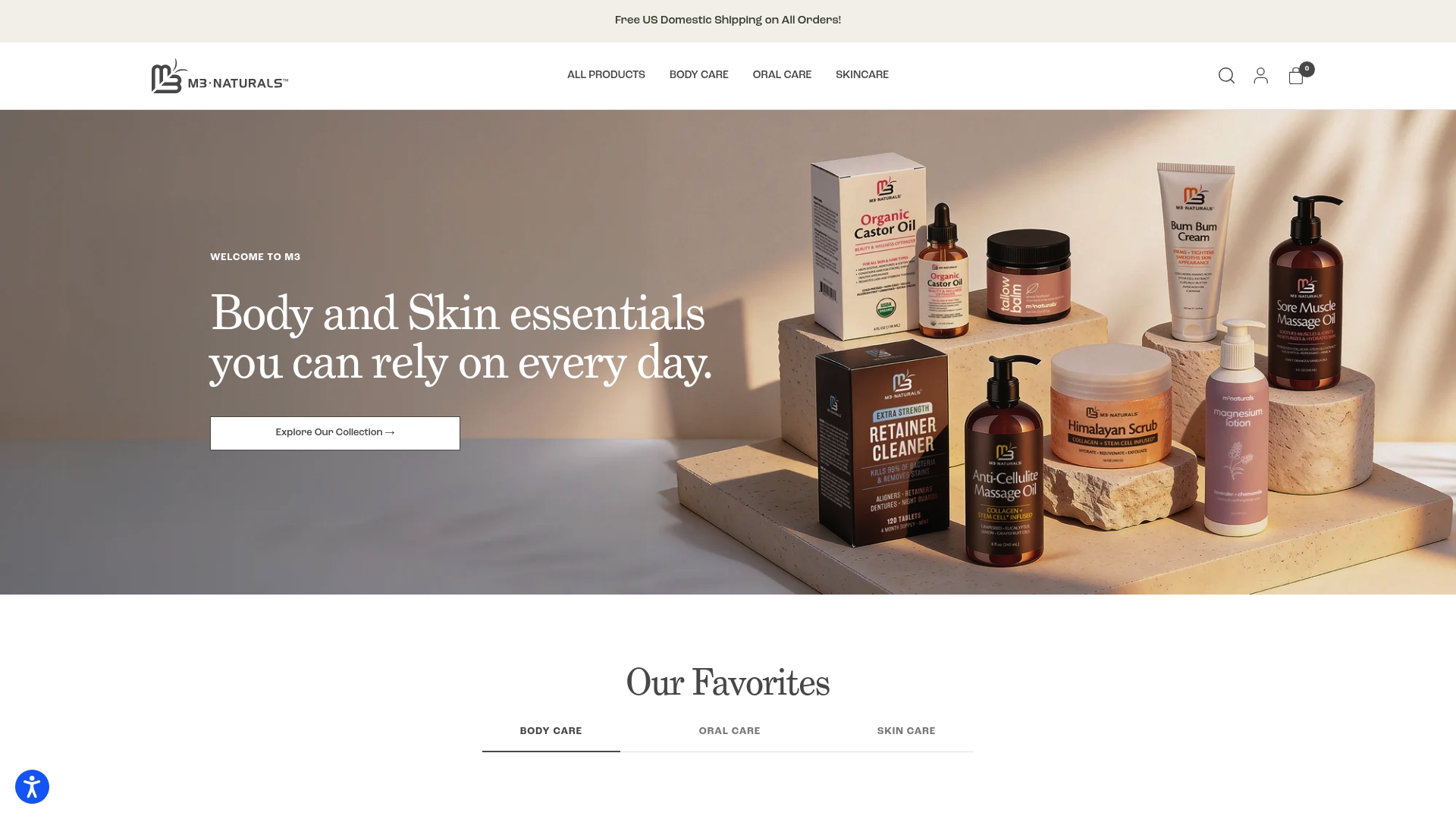
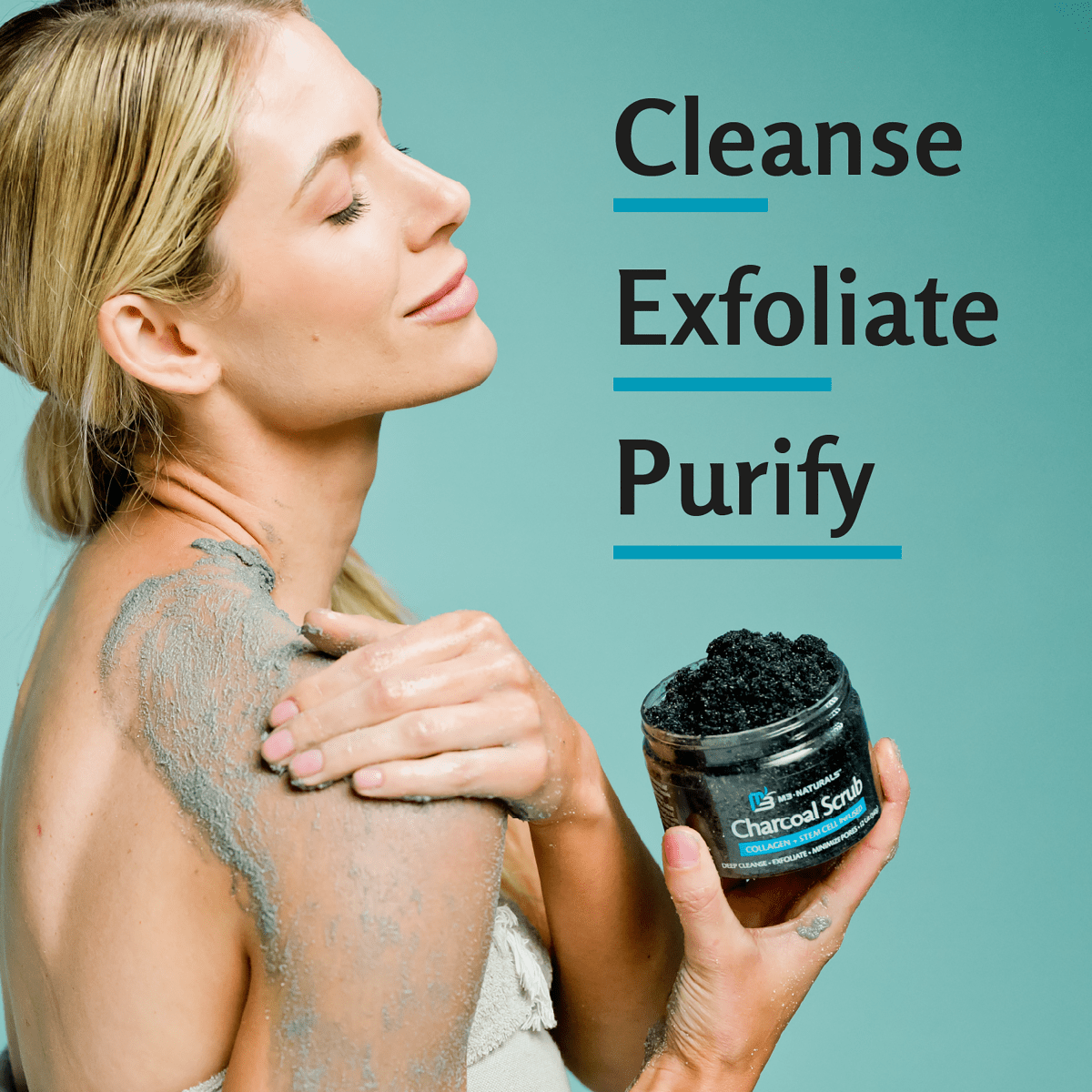
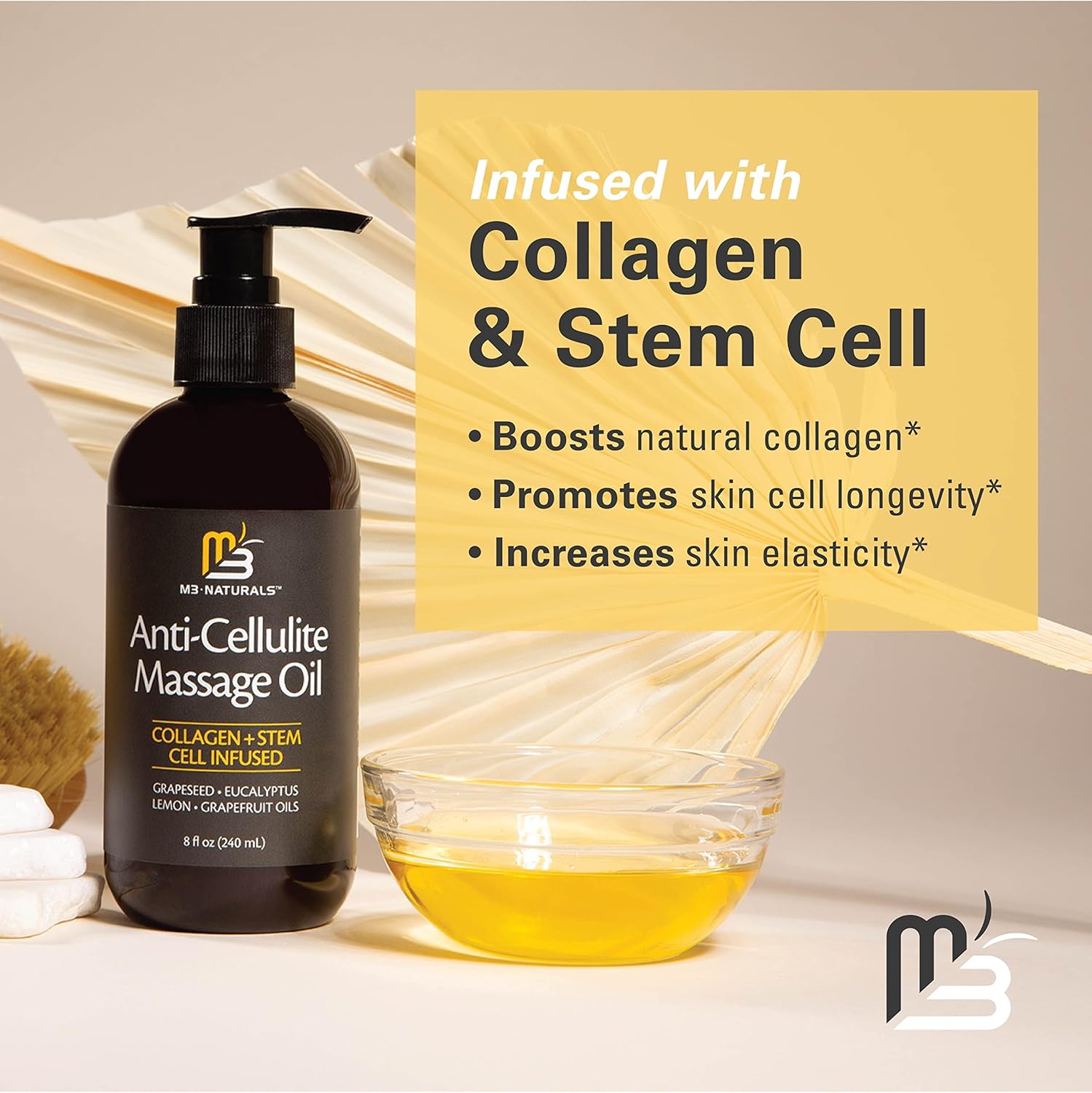
M3naturals formulates its body scrubs and massage oils around the same evidence-backed ingredients covered in this article. The Brazilian Body Scrub combines coffee and sugar to deliver caffeine directly to the skin while exfoliating dead cells that block absorption. The Anti-Cellulite Massage Oil is blended with botanical actives to support lymphatic drainage and microcirculation during application. Both products are designed for consistent, at-home use aligned with the 4 to 12 week timelines the research supports. Browse the full body scrubs collection and massage oils collection to find the right combination for your routine.
FAQ
What are the most effective natural ingredients for cellulite?
Caffeine, retinoids, and Centella asiatica are the most clinically supported natural ingredients for reducing cellulite appearance. They work by targeting fat metabolism, skin structure, and microcirculation respectively, which are the three primary biological drivers of EFSP.
How long does it take for natural cellulite treatments to work?
Caffeine-based products show visible results in 4 to 8 weeks with twice-daily application, while retinoids and peptides require 8 to 16 weeks for structural skin improvements. Short-term hydration effects appear sooner but fade quickly without continued use.
Do home remedies for cellulite actually work?
Home remedies using caffeine scrubs, essential oils like juniper berry and grapefruit, and massage techniques produce real but modest improvements in cellulite appearance. They work best when applied consistently and combined with hydration and regular movement.
Can you permanently get rid of cellulite with natural ingredients?
Topical natural ingredients improve the appearance of cellulite but do not resolve its structural causes. Results depend on ongoing application, and improvements fade after stopping treatment without invasive procedures to address the underlying connective tissue.
What is the best way to apply cellulite treatment products at home?
Apply caffeine-based scrubs or creams after a warm shower using firm circular massage motions for 2 to 3 minutes per area. This technique improves local circulation and enhances ingredient absorption, which are both critical for visible results.