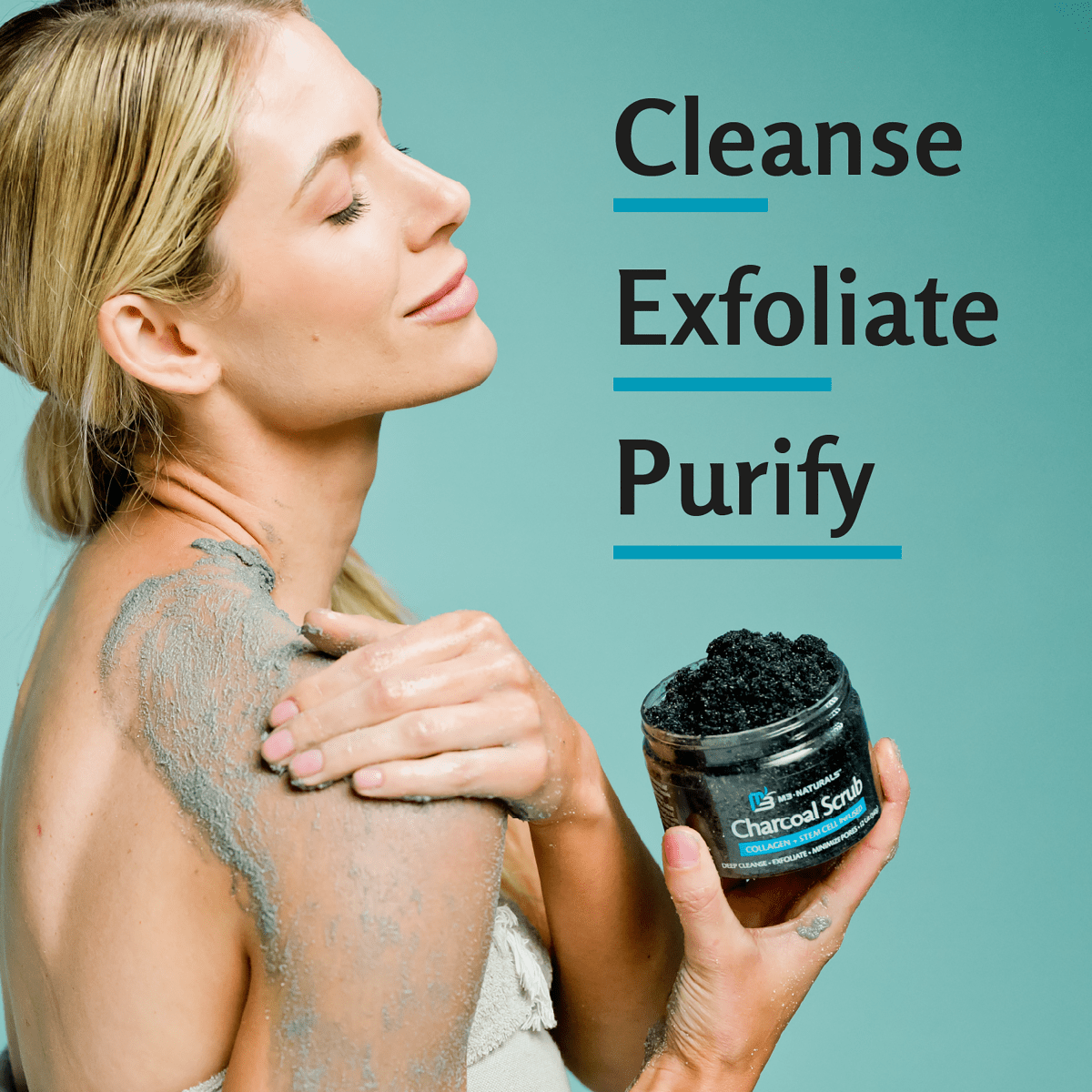

Exfoliation is defined as the process of removing dead skin cells from the skin’s surface to maintain a healthy, radiant complexion. Your skin sheds roughly every 28 days, but this natural cell turnover slows with age and environmental stress, causing dead cells to pile up and dull your appearance. Regular exfoliation, the industry term is desquamation support, clears that buildup, improves product absorption, and prevents clogged pores. The American Academy of Dermatology recognizes exfoliation as a core step in any effective skincare routine. Understanding why skin needs exfoliation is the first step toward choosing the right method for your skin type.
Why skin needs exfoliation: the science of dead cell buildup
Dead skin cells accumulate on the surface when the skin’s natural shedding process falls behind. The result is visible: dullness, rough patches, uneven texture, and pores that clog more easily. Without regular removal, that layer of old keratin acts as a barrier between your skin and any product you apply.
The buildup problem gets worse over time. Younger skin cycles through new cells quickly, but by your 30s and 40s, that process slows noticeably. Environmental stressors like pollution, UV exposure, and low humidity slow it further. Dead cells then trap sebum, bacteria, and debris, which sets the stage for blackheads, whiteheads, and breakouts.

Exfoliation directly addresses this cycle. It lifts away keratin buildup before the skin sheds naturally, revealing the fresher cells underneath. That is why skin looks brighter and feels smoother immediately after a good exfoliation session.
The effects go beyond appearance. When dead cells are cleared, moisturizers and serums penetrate more deeply and work more effectively. Skipping exfoliation means your most expensive skincare products may be sitting on top of a layer of dead skin rather than reaching living tissue.
Key signs your skin needs more exfoliation include:
- Dull, flat skin tone that does not respond to moisturizer
- Rough or flaky patches, especially on elbows, knees, and cheeks
- Clogged pores and frequent blackheads
- Uneven skin texture or a bumpy surface
- Skincare products that seem to “sit on top” rather than absorb
What are the types and methods of skin exfoliation?
Skin exfoliation methods fall into two main categories: physical and chemical. Each works differently, and the right choice depends on your skin type and sensitivity level.
Physical exfoliation uses friction to manually lift dead cells. Tools and products in this category include body scrubs with granular ingredients like sugar or salt, dry brushes, silicone scrubbers, and washcloths. Physical methods deliver immediate results and are easy to control. The risk is applying too much pressure, which can cause micro-tears in the skin and worsen sensitivity or redness.
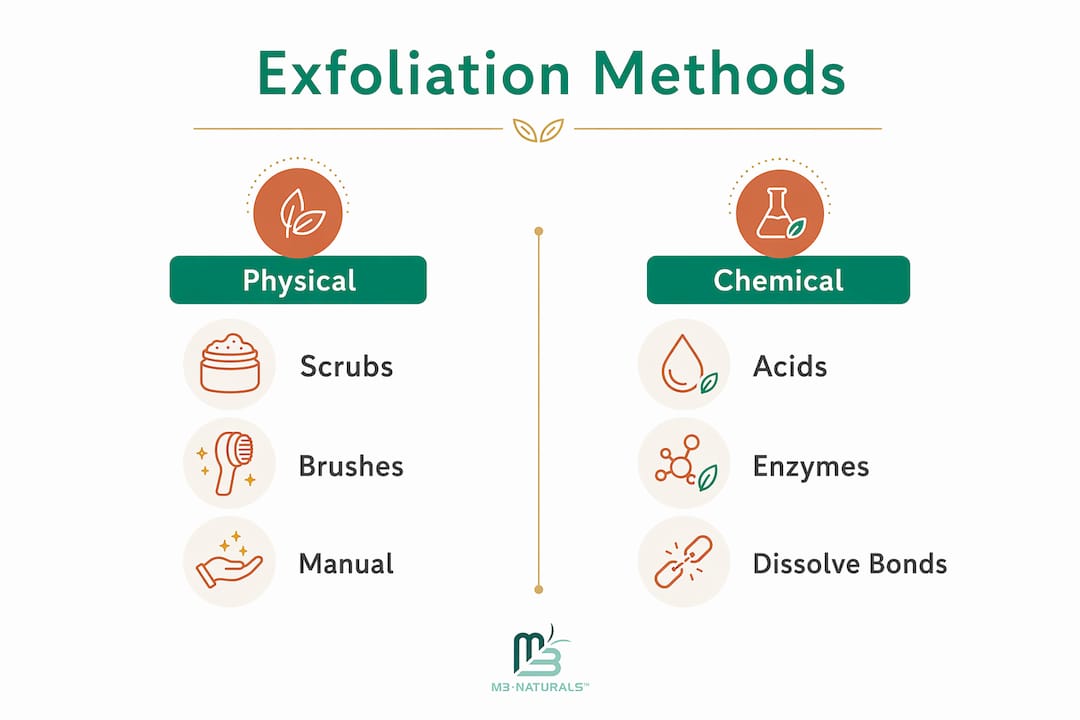
Chemical exfoliation uses acids or enzymes to dissolve the bonds holding dead cells together. The most common chemical exfoliants are alpha-hydroxy acids (AHAs) like glycolic and lactic acid, beta-hydroxy acids (BHAs) like salicylic acid, and fruit-based enzymes like papain from papaya. Chemical exfoliants provide controlled, gentler exfoliation preferred for the face compared to physical scrubs, which may cause micro-tears and irritation. AHAs work on the skin’s surface and suit dry or sun-damaged skin. BHAs penetrate into pores, making them the better choice for oily or acne-prone skin.
| Method | How it works | Best for | Main risk |
|---|---|---|---|
| Physical scrub | Friction removes dead cells | Body, normal skin | Over-scrubbing, micro-tears |
| Dry brushing | Bristles lift surface cells | Body, circulation boost | Too harsh for sensitive skin |
| AHA (glycolic, lactic) | Dissolves surface cell bonds | Dry, dull, aging skin | Sun sensitivity |
| BHA (salicylic acid) | Penetrates and clears pores | Oily, acne-prone skin | Dryness with overuse |
| Enzyme exfoliants | Digest dead cell proteins | Sensitive skin | Mild, minimal risk |
Pro Tip: Always exfoliate on wet skin. Wet exfoliation reduces friction and provides a gentler “slip” across the skin surface, making it significantly safer for sensitive skin than dry exfoliation.
How often should you exfoliate based on your skin type?
Exfoliation frequency is not one-size-fits-all. The right schedule depends on your skin type, the products you use, and how your skin responds. Dermatology guidelines from 2026 recommend frequency by skin type as follows: sensitive and dry skin, 1–2 times per week; normal and combination skin, 2–3 times per week; oily and acne-prone skin, 3–4 times per week or daily with a mild product.
| Skin type | Recommended frequency | Best method |
|---|---|---|
| Sensitive / dry | 1–2 times per week | Gentle enzyme or lactic acid |
| Normal / combination | 2–3 times per week | AHA or light physical scrub |
| Oily / acne-prone | 3–4 times per week | BHA (salicylic acid) |
| Mature skin | 1–2 times per week | Low-concentration AHA |
Over-exfoliation is a real and common problem. More exfoliation is not better. Overdoing it risks irritation and barrier damage, with symptoms including stinging, redness, and tightness. If your skin feels raw, looks persistently red, or stings when you apply moisturizer, you are exfoliating too often or too aggressively.
The product you choose also affects how often you can safely exfoliate. A low-concentration lactic acid toner used nightly is far gentler than a high-percentage glycolic acid peel used twice a week. Adjust your frequency whenever you introduce a new product or change seasons, since skin behaves differently in dry winter months versus humid summer conditions.
Pro Tip: Start with once a week and add sessions gradually. Your skin will tell you when it wants more or less. Redness and tightness are signals to pull back, not push through.
What are the benefits of exfoliation for your skin?
Regular exfoliation delivers measurable improvements across multiple aspects of skin health. These are the core benefits, backed by dermatological research:
- Smoother texture and brighter tone. Removing dead cells reveals the fresher skin underneath, giving your complexion an immediate glow. This is the most visible and immediate benefit of exfoliation.
- Better product absorption. Moisturizers, serums, and treatments penetrate more deeply when the dead cell layer is cleared. Your skincare routine becomes more effective across the board.
- Fewer clogged pores and breakouts. Dead cells, sebum, and bacteria combine to block pores. Regular exfoliation keeps pores cleaner and reduces the frequency of blackheads and acne.
- Increased collagen production. Exfoliation supports collagen production, which can improve skin tone and reduce fine lines over time, according to the American Academy of Dermatology. Collagen is the protein that keeps skin firm and elastic.
- Reduced ingrown hairs. Exfoliating before shaving lifts hairs above the skin surface, which leads to a cleaner shave and fewer painful ingrown hairs.
- Improved hyperpigmentation over time. Consistent, gentle exfoliation accelerates the fading of dark spots by speeding up cell turnover. Results take weeks, not days, but they are real.
The body scrub texture benefits extend beyond the face. Regular exfoliation on the body, especially rough areas like elbows, knees, and heels, produces the same improvements in texture and product absorption.
How to exfoliate safely and integrate it into your routine
Safe exfoliation follows a clear sequence. Getting the order right protects your skin barrier and maximizes results.
- Cleanse first. Wash your face or body with a gentle cleanser to remove surface dirt and oil. Exfoliating on clean skin prevents pushing debris deeper into pores.
- Apply your exfoliant on wet skin. Use light, circular motions for physical exfoliants. For chemical exfoliants, apply evenly and let the product sit for the recommended time without rubbing.
- Rinse thoroughly. Remove all product residue with lukewarm water. Hot water strips the skin barrier, especially after exfoliation.
- Apply serum, then moisturizer. Exfoliation timing places it after cleansing and before serums or moisturizers. Your skin is primed to absorb active ingredients immediately after exfoliation.
- Apply sunscreen every morning after exfoliating. Exfoliation increases UV sensitivity by removing the outermost protective layer. Skipping SPF after an exfoliation session raises your risk of sun damage and hyperpigmentation.
- Exfoliate before shaving. Exfoliating before shaving lifts hairs and removes dead skin buildup, resulting in a cleaner shave with less irritation and fewer ingrown hairs.
- Adjust if your skin reacts. Stinging, persistent redness, or tightness after exfoliation means you need to reduce frequency, switch to a gentler method, or both.
One important safety note: aggressive exfoliation in people with darker skin tones can trigger post-inflammatory hyperpigmentation, which means dark spots that form after skin trauma. If you have dark spots from acne or previous irritation, choose mild chemical methods like low-concentration lactic acid and avoid harsh physical scrubs on affected areas. The same principle applies to anyone with active breakouts or compromised skin. Gentle and consistent always outperforms aggressive and occasional.
For a complete picture of how exfoliation fits into a broader wellness routine, the role of exercise in skin health is worth understanding alongside your exfoliation schedule.
Key Takeaways
Regular, skin-type-appropriate exfoliation removes dead cell buildup, supports collagen production, and makes every other skincare product work better.
| Point | Details |
|---|---|
| Cell turnover slows with age | Skin sheds roughly every 28 days, but this slows over time, making exfoliation necessary. |
| Method matters by skin type | Chemical exfoliants suit sensitive and oily skin; physical scrubs work well for the body. |
| Frequency has a ceiling | Sensitive skin needs 1–2 sessions per week; more exfoliation causes barrier damage, not better results. |
| Sequence protects your skin | Exfoliate after cleansing, before serums, and always follow with SPF in the morning. |
| Consistency beats intensity | Gentle, regular exfoliation produces better long-term results than aggressive, infrequent sessions. |
Why I think most people are exfoliating wrong
Most skincare advice treats exfoliation as a frequency problem. Exfoliate more, get better skin. Exfoliate less, avoid irritation. The real issue is almost never how often. It is how aggressively.
I have watched people with genuinely good skincare habits sabotage their results by scrubbing too hard, using too high a concentration, or layering a physical scrub on top of a chemical exfoliant in the same routine. The skin barrier is not a wall you can sand down and rebuild overnight. It takes days to recover from a single over-exfoliation session, and during that recovery window, every other product you apply causes more irritation, not less.
The other misconception I see constantly is that chemical exfoliants are “harsh” and physical scrubs are “natural” and therefore gentler. The opposite is usually true. A well-formulated BHA serum at the right concentration does controlled, predictable work. A coarse scrub applied with too much pressure creates micro-damage you cannot see but your skin absolutely feels.
My honest recommendation: pick one method, start once a week, and pay attention to how your skin looks 48 hours later, not immediately after. Immediate results are satisfying but misleading. The real signal is whether your skin looks calm, hydrated, and clear two days after exfoliating. If it does, you have found your baseline. Build from there, slowly.
Exfoliation is one of the few skincare steps where doing less, done consistently, beats doing more, done enthusiastically.
— SuperNatural
Natural exfoliants from M3naturals for every skin type
Getting exfoliation right starts with using products formulated to be effective without stripping your skin.

M3naturals body scrubs are made with ethically sourced natural ingredients like charcoal, coconut oil, and botanical extracts that lift dead cells gently while nourishing the skin underneath. Each formula aligns with what dermatologists recommend: effective exfoliation without the micro-tear risk of harsh physical scrubs. Whether your skin is dry, oily, or sensitive, the M3naturals body scrubs collection includes options suited to your specific needs. For those who prefer a dry brushing approach, the dry body brush offers a firm but controlled physical exfoliation that works well on the body before showering.
FAQ
What is exfoliation and why does skin need it?
Exfoliation is the removal of dead skin cells from the skin’s surface. Skin needs it because the natural shedding process slows with age and environmental stress, causing buildup that leads to dullness, clogged pores, and reduced product absorption.
How often should you exfoliate your skin?
Frequency depends on skin type: sensitive and dry skin benefits from 1–2 times per week, normal and combination skin from 2–3 times per week, and oily or acne-prone skin from 3–4 times per week with a mild product.
What is the difference between physical and chemical exfoliation?
Physical exfoliation uses friction from scrubs or brushes to manually remove dead cells. Chemical exfoliation uses acids like AHAs and BHAs or enzymes to dissolve the bonds between dead cells, offering more controlled and gentler results, especially for the face.
Can you exfoliate too much?
Yes. Over-exfoliation damages the skin barrier and causes stinging, redness, and tightness. The goal is barrier support, not disruption. If your skin feels raw or looks persistently red, reduce frequency immediately.
Is exfoliation safe for all skin tones?
Exfoliation is safe for all skin tones when done gently. People with darker skin tones face a higher risk of post-inflammatory hyperpigmentation from aggressive methods, so mild chemical exfoliants like low-concentration lactic acid are the safer choice over harsh physical scrubs.