

Body care routine best practices are systematic steps built around cleansing, exfoliating, moisturizing, and protecting your skin to maintain health and vitality using natural ingredients. Most people treat showering as a quick task rather than a deliberate practice. That gap between rushing and being intentional is exactly where skin health is won or lost. The right sequence, the right timing, and the right ingredients make the difference between skin that looks dull and skin that stays soft, resilient, and well-nourished day after day.
1. How should you cleanse your body for best results?
Cleansing is the foundation of any effective daily body maintenance routine. The product you choose matters as much as how you use it. Gentle, fragrance-free, pH-balanced cleansers with a pH of roughly 4.5–5.5 preserve the skin’s natural protective layer far better than standard bar soaps. Regular bar soap disrupts the skin barrier and causes dryness over time.
Temperature and duration are equally critical. Shower duration limited to 5–10 minutes with lukewarm water protects the skin barrier and minimizes irritation. Longer or hotter showers increase transepidermal water loss, which strips the skin of the oils it needs to stay supple.

Technique separates a good cleanse from a great one. Massaging body wash in circular motions multiple times per area is critical to truly remove dirt and oil. Rushing through the process leaves residue behind and defeats the purpose of cleansing entirely.
Start with your hair, then move to your body. This order prevents shampoo and conditioner residue from sitting on your skin while you wash other areas. For body acne or folliculitis, cleansers containing benzoyl peroxide reduce bacteria and control breakouts more effectively than standard washes.
Pro Tip: Switch to a cream or oil-based cleanser if your skin feels tight after showering. That tightness signals barrier disruption, not cleanliness.
2. What are the best exfoliation practices for your routine?
Exfoliation removes dead skin cells and supports cell turnover, which improves texture and allows moisturizers to absorb more effectively. The key is frequency. Physical exfoliation no more than twice a week protects the skin barrier while still delivering visible results. Exfoliating more often than that damages the barrier and leads to dryness and sensitivity.
Timing within your shower matters too. Exfoliate near the end of your shower, after warm water has softened the skin. Softened skin requires lighter pressure and less product, which reduces the risk of microtrauma. You can learn more about applying body scrubs effectively to get the most from each session without overdoing it.
Physical exfoliants include tools like a dry body brush or scrubs made with natural ingredients like sugar, coffee grounds, and honey. Chemical exfoliants use acids such as glycolic or lactic acid to dissolve dead cells without physical friction. Each type has its place, but never combine chemical and physical exfoliants on the same area in the same session. Staggering them reduces irritation and keeps your skin barrier intact.
- Use physical scrubs on rough areas like elbows, knees, and heels
- Reserve chemical exfoliants for more sensitive areas like the chest or inner arms
- Apply scrubs with gentle, circular strokes and rinse thoroughly
- Always follow exfoliation with moisturizer while skin is still slightly damp
Pro Tip: Natural sugar scrubs dissolve as you work them in, which makes them self-regulating. They are harder to over-apply than gritty mineral scrubs.
3. How to moisturize effectively for hydration and barrier support
Moisturizing is the step most people rush or skip entirely. Applying moisturizer within 3–5 minutes after pat-drying locks in moisture and supports skin barrier repair. Waiting longer allows the water on your skin to evaporate, taking hydration with it.
Apply your moisturizer to slightly damp skin, not bone-dry skin. Damp skin absorbs product faster and more evenly. Products containing ceramides, glycerin, and hyaluronic acid hydrate effectively and reinforce the skin barrier. Ceramides restore the lipid layer, glycerin draws water into the skin, and hyaluronic acid holds it there.
Natural, plant-based ingredients like shea butter, coconut oil, and botanical oils support skin hydration and barrier repair while minimizing irritation risk. These ingredients work without the synthetic additives that can trigger sensitivity in reactive skin. Avoid fragranced lotions if your skin tends to react, since fragrance is one of the most common contact irritants.
- Pat skin dry rather than rubbing to avoid friction on freshly cleansed skin
- Apply moisturizer in long, upward strokes to support circulation
- Use thicker creams on dry areas like shins, elbows, and feet
- Layer a body oil over lotion on very dry skin for extra occlusion
Pro Tip: Keep your moisturizer on the bathroom counter, not in a cabinet. Proximity removes the friction that makes people skip this step.
4. What is the proper order for a complete body care routine?
The correct order of body care steps significantly impacts skin health. Skipping or rearranging steps reduces product effectiveness and can cause irritation. The sequence that dermatologists recommend is: cleansing, exfoliating, shaving (if applicable), moisturizing, and then any targeted treatments.
- Cleanse with a pH-balanced, fragrance-free wash using circular motions
- Exfoliate near the end of your shower, no more than twice a week, with gentle pressure
- Shave after skin and hair have softened from warm water. Skip shaving if skin feels tender or irritated
- Pat dry and apply moisturizer within 3–5 minutes while skin is still slightly damp
- Apply targeted treatments such as body oils, firming serums, or massage after moisturizing
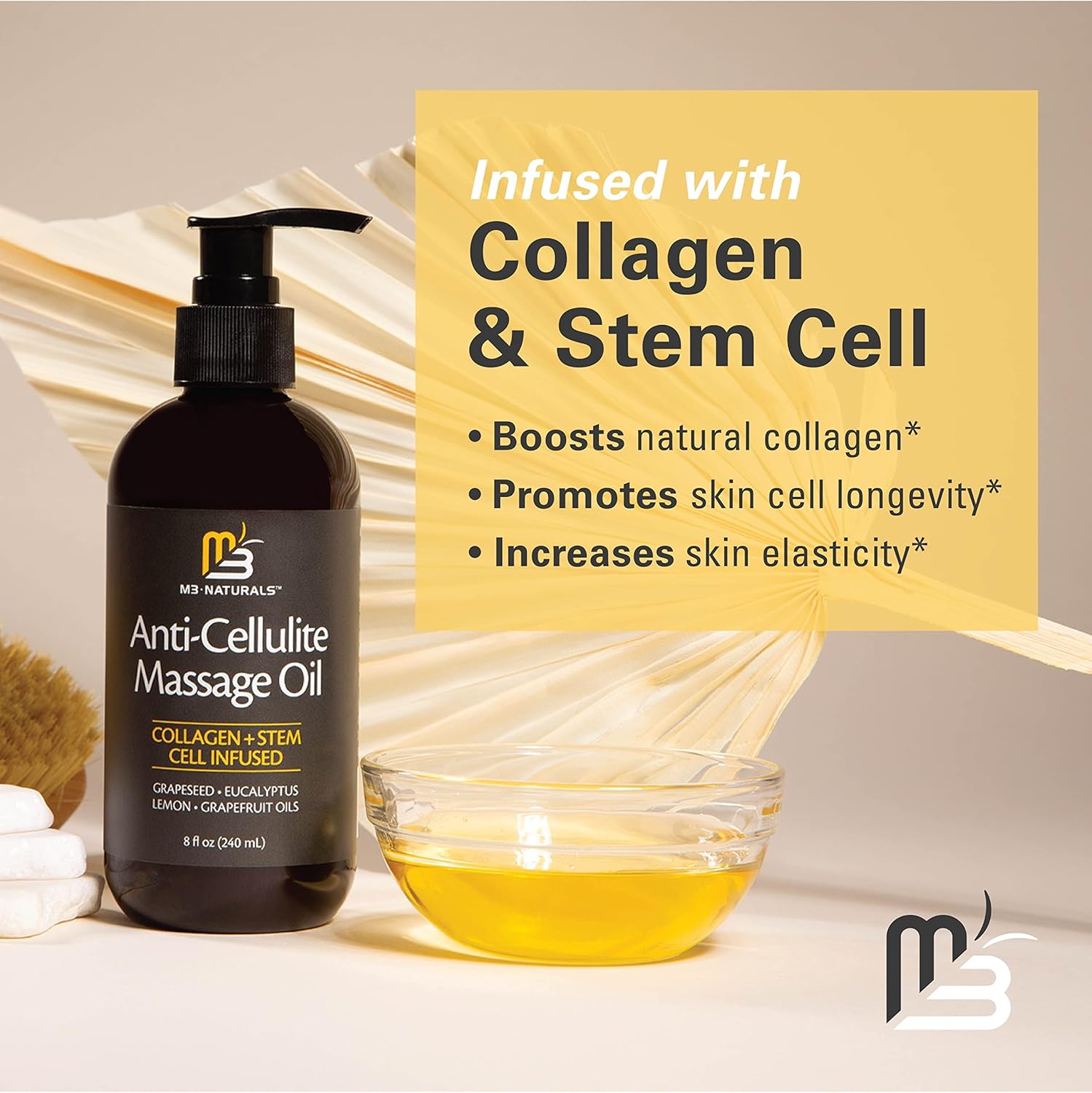
Shaving after cleansing and exfoliating gives you the cleanest, closest result with the least irritation. Softened hair cuts more easily, and cleared pores reduce the chance of ingrown hairs. For post-shower massage, even short sessions of 5–15 minutes increase blood flow in targeted areas and support tissue regeneration. The M3naturals Anti-Cellulite Oil & Massage Roller Kit pairs well with this step for targeted circulation support.
Sun protection belongs at the end of your routine for any skin exposed during the day. Apply a broad-spectrum SPF to arms, legs, and the chest before going outside. This step is the most skipped and the most consequential for long-term skin health.
Adjusting one product or habit at a time lets you monitor how your skin responds without guessing which change caused a reaction. Changing everything at once makes it impossible to identify what is helping and what is not.
5. Building consistency into your daily body maintenance
Consistency is the factor that separates routines that work from routines that disappoint. Benefits from cleansing, moisturizing, and massage become visible over weeks, not days. Expecting overnight results leads people to abandon routines before they have a chance to work.
Simplicity supports consistency better than complexity. A three-step routine you do every day outperforms a ten-step routine you do twice a week. Start with cleansing, moisturizing, and sun protection. Add exfoliation and targeted treatments once the basics are automatic. For a deeper look at building a natural daily practice, the guide on natural routine building covers the full picture.
Men often overlook body care entirely or reduce it to a single bar soap. Common grooming mistakes include using harsh soaps, skipping moisturizer, and showering with water that is too hot. These habits compound over time and accelerate skin dryness and barrier damage.
Skin changes with seasons, age, and stress. Adjust your routine when you notice changes in texture, dryness, or sensitivity. A routine that worked in summer may need heavier moisturizers in winter. Staying responsive to your skin’s signals is what keeps a routine effective long-term.
Key Takeaways
The most effective body care routine combines intentional cleansing, limited exfoliation, and immediate moisturizing with natural, barrier-supporting ingredients applied in the correct order.
| Point | Details |
|---|---|
| Cleanse with intention | Use a pH-balanced, fragrance-free wash and massage in circular motions for 5–10 minutes with lukewarm water. |
| Exfoliate no more than twice weekly | Exfoliate near the end of your shower to protect the skin barrier and reduce irritation. |
| Moisturize within 3–5 minutes | Apply ceramide or glycerin-based moisturizer to damp skin immediately after pat-drying. |
| Follow the correct step order | Cleanse, exfoliate, shave, moisturize, then treat. Rearranging steps reduces effectiveness. |
| Build consistency over complexity | A simple daily routine practiced consistently delivers better results than an elaborate one done sporadically. |
What I have learned from years of watching people care for their skin
Most people overcomplicate body care and then abandon it when results do not appear fast enough. The routines that actually work are boring by design. They are short, repeatable, and built around a handful of ingredients that the skin genuinely responds to.
Natural ingredients get dismissed as “gentle” in a way that implies they are less effective. That framing is wrong. Shea butter, glycerin, and plant-based oils do exactly what ceramide-heavy pharmaceutical creams do, often without the synthetic additives that cause reactions in sensitive skin. The difference is that natural formulas require consistency to show results, and most people quit before the skin has time to respond.
The other mistake I see constantly is treating exfoliation as the solution to every skin problem. Rough skin, dull skin, and uneven texture all get attacked with scrubs. But over-exfoliation damages the skin barrier and creates the exact problems people are trying to fix. Less is genuinely more here. Two sessions a week, gentle pressure, and a good moisturizer afterward will do more than daily scrubbing ever could.
Mindfulness in body care is not a marketing concept. It means slowing down enough to notice what your skin actually needs rather than following a generic routine blindly. That attentiveness is what separates people who see results from those who cycle through products without progress.
— SuperNatural
Natural body care products worth adding to your routine
M3naturals builds its products around the same principles covered in this article: clean ingredients, effective formulas, and formats that fit into a real daily routine.

The M3naturals body scrub collection features natural exfoliants like charcoal, coconut oil, and botanical extracts that lift dead skin without harsh abrasives. Each formula is designed to be used once or twice a week, exactly in line with dermatologist recommendations. For the massage and circulation step, the M3naturals massage oil range uses plant-based oils that absorb quickly and support the skin barrier rather than sitting on top of it. Both collections are built for people who want professional-grade results from ingredients they can actually trust.
FAQ
How long should a body care shower routine take?
Dermatologists recommend 5–10 minutes with lukewarm water. Longer or hotter showers increase transepidermal water loss and damage the skin barrier.
How often should you exfoliate your body?
Exfoliate no more than once or twice a week. More frequent exfoliation damages the skin barrier and causes dryness and sensitivity over time.
What ingredients should a body moisturizer contain?
Look for ceramides, glycerin, and hyaluronic acid. These ingredients hydrate the skin, draw in water, and repair the lipid barrier most effectively.
When is the best time to apply body moisturizer?
Apply moisturizer within 3–5 minutes of pat-drying after your shower. Applying to slightly damp skin dramatically increases how much hydration your skin retains.
Can you use physical and chemical exfoliants together?
Never use both types on the same area in the same session. Stagger them across different days to avoid irritation and protect your skin barrier.