
Zero-waste skincare packaging is defined as a full lifecycle system designed to eliminate or minimize packaging waste through reduction first, reuse or refill second, and recycling only as a last resort. This hierarchy separates genuine sustainable skincare packaging from greenwashing. The term “zero waste” is an aspirational standard, not a certified category, so understanding what qualifies matters more than trusting a label. This guide breaks down the materials, formats, refill systems, and consumer strategies that make eco-friendly skincare options real rather than marketing language.
What is zero-waste skincare packaging, and how does it work?
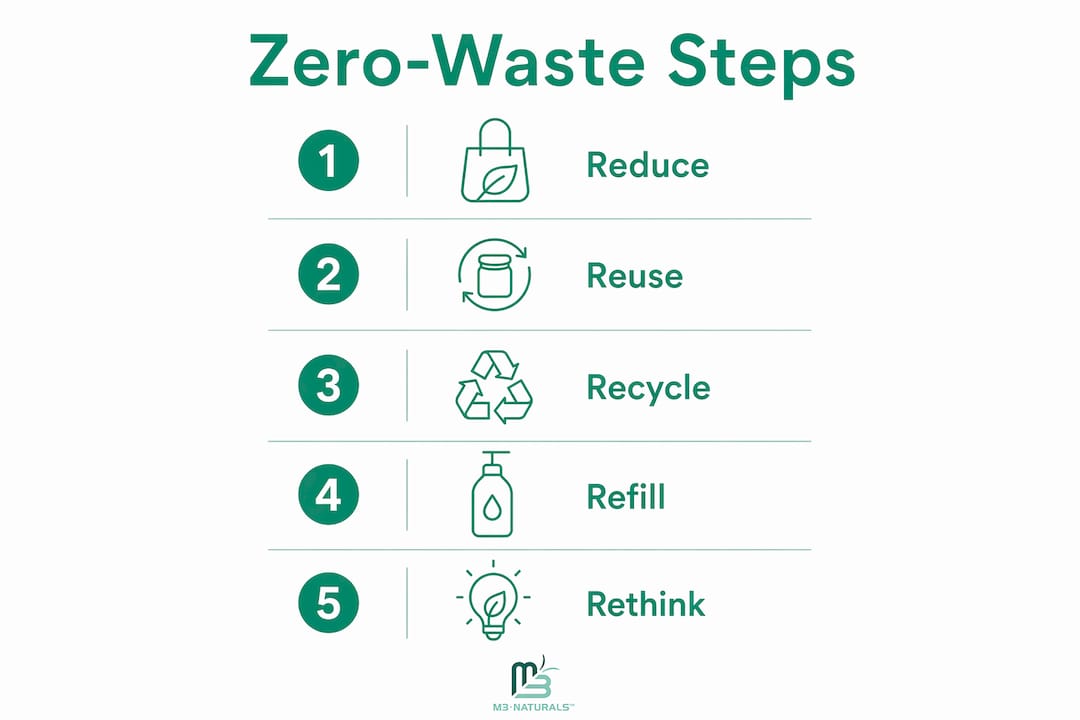
Zero-waste skincare packaging prioritizes reducing packaging components before any other strategy, which means fewer parts, lighter materials, and formats that shrink packaging mass from the start. Reuse and refill come second. Recycling is the fallback, not the goal. This ordering matters because recycling still consumes energy and often results in downcycled materials rather than true circularity.
The industry uses specific terms to describe this in practice. Mono-material packaging refers to containers made from a single material type, such as pure aluminum or a single resin code plastic, which makes recycling straightforward. Refill systems replace the entire container with a smaller, lighter refill unit. Waterless products, including solid bars and concentrated powders, reduce both the packaging needed and the shipping weight per use. These are the building blocks of what sustainable skincare packaging actually looks like in product form.
Zero waste is not the same as “natural packaging” or “recycled content.” A jar made from 50% post-consumer recycled plastic is an improvement, but it is not zero waste unless the system also addresses what happens after the consumer finishes the product. The distinction is systemic thinking versus material swapping.
What materials and designs qualify as zero-waste packaging?
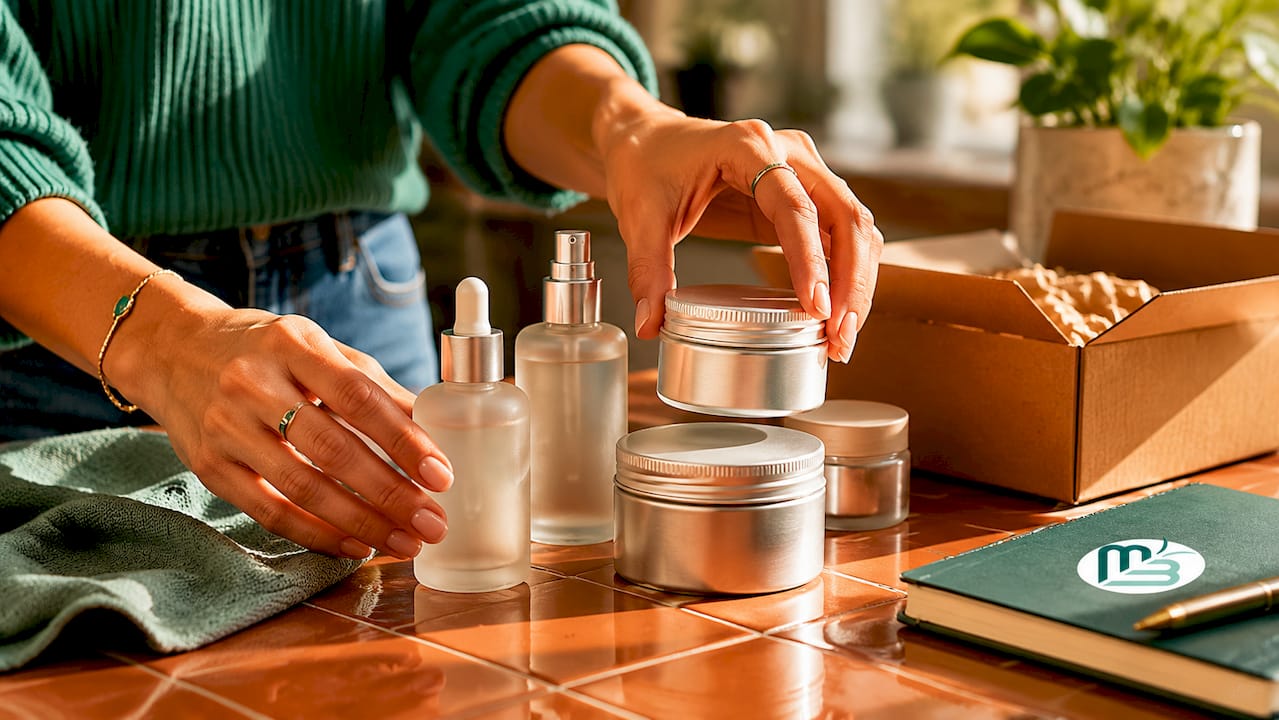
The most recyclable single-material options in skincare are glass, aluminum, and plastics with a single resin code such as HDPE (resin code 2) or PP (resin code 5). Each has trade-offs worth knowing.
- Glass is infinitely recyclable and chemically inert, making it ideal for active ingredient formulas. Its weight increases shipping emissions, which partially offsets its end-of-life advantage.
- Aluminum is lightweight, durable, and recycled at high rates globally. Aluminum tubes and tins are among the most practical zero-waste formats for body care products.
- Single-resin plastics like HDPE and PP are accepted by most curbside recycling programs in the United States. Multi-layer plastics, by contrast, are almost never recyclable and should be avoided.
- Biodegradable and compostable materials such as PLA (polylactic acid) or mushroom-based packaging sound ideal but depend on available composting facilities to break down correctly. In a standard landfill, they behave like conventional plastic.
| Format | Zero-waste strength | Key limitation |
|---|---|---|
| Aluminum tin or tube | Widely recyclable, durable | Higher upfront production energy |
| Glass jar with refill | Infinitely recyclable | Heavy, increases shipping emissions |
| Solid bar (shampoo, cleanser) | Eliminates container entirely | Consumer adoption curve |
| Concentrated powder or tablet | Dramatically reduces packaging mass | Requires consumer mixing step |
| Compostable pouch | Low material weight | Needs industrial composting access |
Solid bars, powders, and concentrates represent the upstream solution: they eliminate the need for a container in the first place, or reduce it to a minimal paper wrap. A solid facial cleanser bar, for example, replaces a pump bottle entirely. That is reduction at its most direct.
Pro Tip: When evaluating packaging, flip the product over and look for a single resin code triangle. If you see multiple material layers or no code at all, the packaging likely cannot be recycled through standard curbside programs.
How do refill and reuse systems work in skincare?
Refill systems are the most discussed format in green beauty packaging solutions, and they work through several distinct models. Understanding each helps you evaluate whether a brand’s refill program is genuinely effective or logistically impractical.
- Airless pump cartridges. The outer pump housing stays with the consumer. A sealed inner cartridge containing the formula is replaced when empty. Airless pump systems protect formula stability for actives like vitamin C and retinol, which degrade on contact with air. This is the most hygiene-sound refill format for serums and treatments.
- Refill pouches. A lightweight flexible pouch ships the product, which the consumer decants into their original rigid container. Pouches use significantly less material than a full bottle. The trade-off is that most flexible pouches are not curbside recyclable, so the brand needs a take-back program to close the loop.
- Concentrated tablets or drops. The consumer keeps a glass or aluminum bottle and adds a tablet or concentrated liquid to water at home. This format nearly eliminates packaging entirely and cuts shipping weight dramatically.
- In-store refill stations. Some retailers offer bulk dispensing where consumers bring their own containers. This model works well for body wash and lotion but requires physical retail infrastructure.
Reusable containers only deliver environmental benefits if they are actually returned and reused enough times to offset the energy cost of producing a more durable container. A heavy glass jar used twice is not better than a lightweight plastic bottle used once. The break-even point depends on the container’s weight, the logistics of return, and how many refill cycles occur. Brands with no return infrastructure are essentially selling the idea of reuse without the system to support it.
Pro Tip: Before buying into a refill program, ask one question: does the brand have a physical take-back or mail-back option for the refill pouch or empty cartridge? If the answer is no, the refill format still generates unrecyclable waste.
What are the benefits and limitations of zero-waste skincare packaging?
The benefits of zero-waste packaging extend across the product lifecycle, not just at the point of disposal.
- Reduced material waste. Fewer packaging components mean less material extracted, processed, and eventually discarded.
- Lower shipping emissions. Waterless and concentrated formats reduce product weight significantly, which cuts transportation-related carbon output per unit.
- Longer container lifespan. Refillable systems designed for durability reduce the frequency of new container production.
- Regulatory alignment. The EU’s Packaging and Packaging Waste Regulation (Regulation 2025/40) sets recyclability grades with deadlines in 2030 and reuse targets starting in 2027. Brands selling in European markets are already redesigning packaging to comply, which raises the baseline globally.
The limitations are equally real and worth naming directly.
Zero-waste packaging fails when the system behind it does not exist. A compostable container without industrial composting access, a refill pouch without a take-back program, or a recyclable bottle contaminated with product residue all end up in landfill regardless of the material claim on the label.
Consumer habits also shape outcomes significantly. Finishing products completely, rinsing containers before recycling, and simplifying routines to fewer products reduce waste more reliably than any single packaging choice. A 10-step routine in “sustainable” packaging generates more waste than a 4-step routine in standard packaging. That is an uncomfortable but accurate comparison.
Infrastructure gaps remain the largest structural barrier. Curbside recycling in the United States accepts fewer material types than most consumers assume, and industrial composting facilities are not accessible to the majority of the population. Zero-waste packaging claims that depend on infrastructure the consumer does not have access to are, in practice, not zero waste.
How can consumers choose genuinely zero-waste skincare?
Evaluating sustainable skincare packaging requires looking past marketing language and checking for specific, verifiable features. Here is what to look for.
- Refill or take-back programs with real logistics. A brand that offers mail-back envelopes or partners with a retailer like Pact Collective or TerraCycle has a functioning system. A brand that says “recyclable” with no further guidance does not.
- Single-material construction. Check for a single resin code on plastic packaging. Avoid products with mixed-material components like a plastic pump on a glass bottle unless the brand specifies the pump is separable and recyclable.
- Waterless or concentrated formats. Solid cleansers, facial bars, and powder-to-foam formats from brands committed to minimal packaging skincare reduce waste before the product even reaches your bathroom.
- Transparent end-of-life guidance. Brands serious about zero waste tell you exactly how to dispose of each component. Vague claims like “eco-friendly” or “sustainable packaging” without specifics are a signal to look closer.
- Local infrastructure compatibility. Effective zero-waste evaluation requires checking whether your local recycling or composting program accepts the material claimed. Earth911.com lets you search by material and zip code.
Pro Tip: Simplify before you swap. Replacing five products with “sustainable” versions still generates more packaging waste than replacing five products with two multi-use ones. A good body scrub that doubles as an exfoliating treatment, for example, cuts your packaging footprint without requiring any special disposal.
Checking for holistic skincare practices that align with zero-waste values, such as multi-use formulas and minimal ingredient lists, also helps identify brands that approach sustainability as a system rather than a packaging feature.
Key takeaways
Zero-waste skincare packaging works only when reduction, reuse, and recycling are treated as a hierarchy, not interchangeable options.
| Point | Details |
|---|---|
| Reduction comes first | Fewer packaging components and waterless formats cut waste before disposal is even a factor. |
| Refill systems need infrastructure | Airless cartridges and pouches only close the loop if take-back or mail-back programs exist. |
| Material choice matters | Single-resin plastics, aluminum, and glass are the most reliably recyclable options in real-world conditions. |
| Biodegradable has caveats | Compostable packaging requires industrial composting access to break down as claimed. |
| Consumer habits drive outcomes | Finishing products, simplifying routines, and rinsing containers before recycling reduce waste more than packaging swaps alone. |
The part the packaging industry does not say loudly enough
I have spent years reading sustainability claims across the beauty industry, and the pattern is consistent: brands lead with packaging because it is visible, photogenic, and easy to market. What they rarely say is that consumer behavior contributes more to waste generation than packaging material in many cases.
The most meaningful shift I have seen is not in the materials themselves. It is in the brands that design for the full system: durable containers, functioning refill logistics, transparent disposal guidance, and formulas concentrated enough to reduce packaging mass per use. Those brands are rare, but they exist, and they are worth supporting specifically because they treat zero waste as an engineering problem rather than a branding exercise.
Regulation is doing some of the work that voluntary commitments have not. The EU’s Packaging and Packaging Waste Regulation is forcing recyclability grades and reuse targets onto brands that sell in European markets, and that pressure tends to migrate globally. By 2030, the baseline for what counts as acceptable packaging will be measurably higher than it is today.
What consumers can do right now is apply organic skincare evaluation skills to packaging claims: ask for specifics, check the infrastructure, and favor brands that show their work. Vague sustainability language is not a green flag. It is a prompt to ask harder questions.
— SuperNatural
Natural body care products with packaging you can feel good about
M3naturals builds its product line around natural, ethically sourced ingredients like activated charcoal, coconut oil, and botanical extracts, and that same philosophy extends to how products are packaged and delivered.
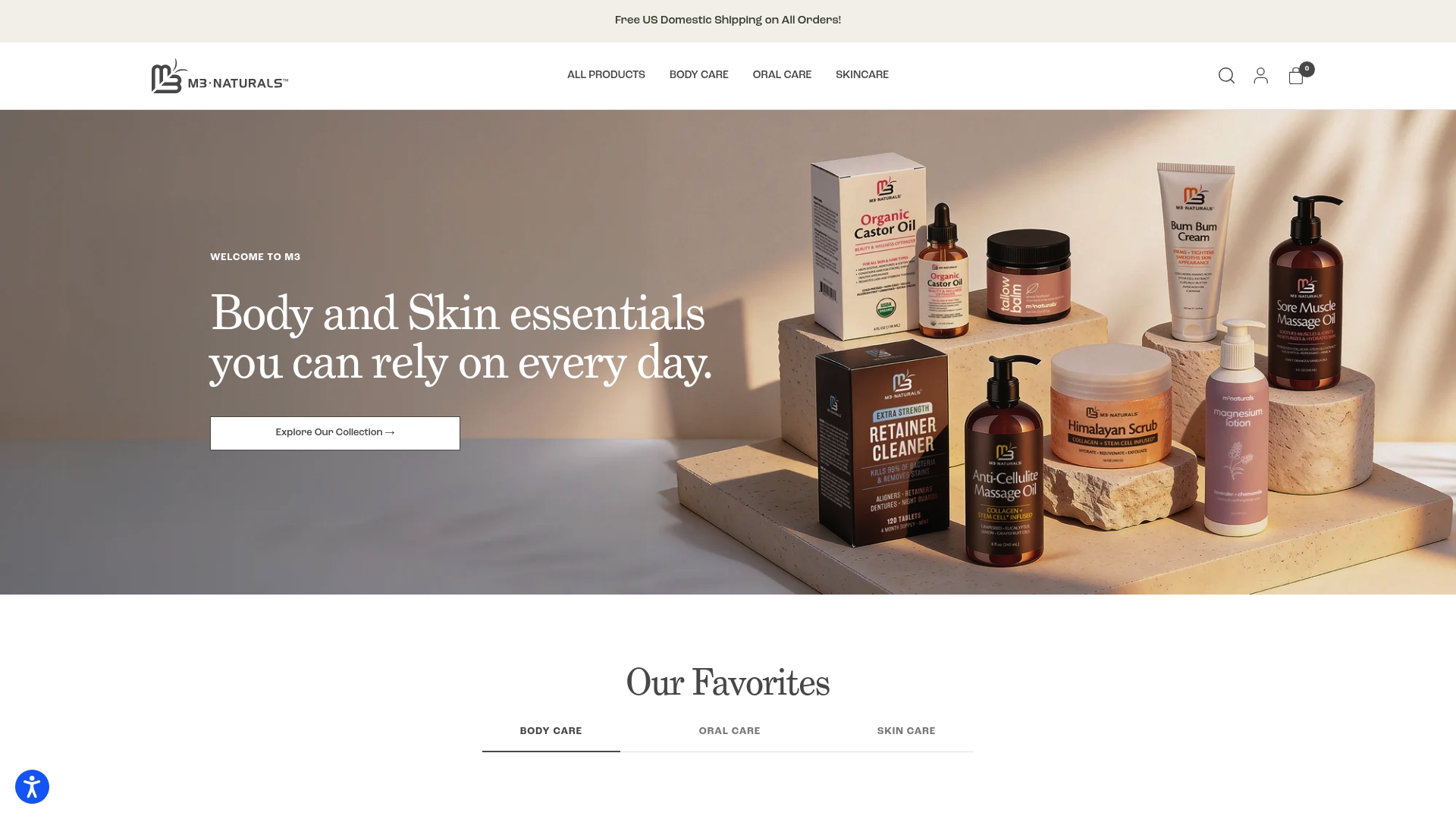
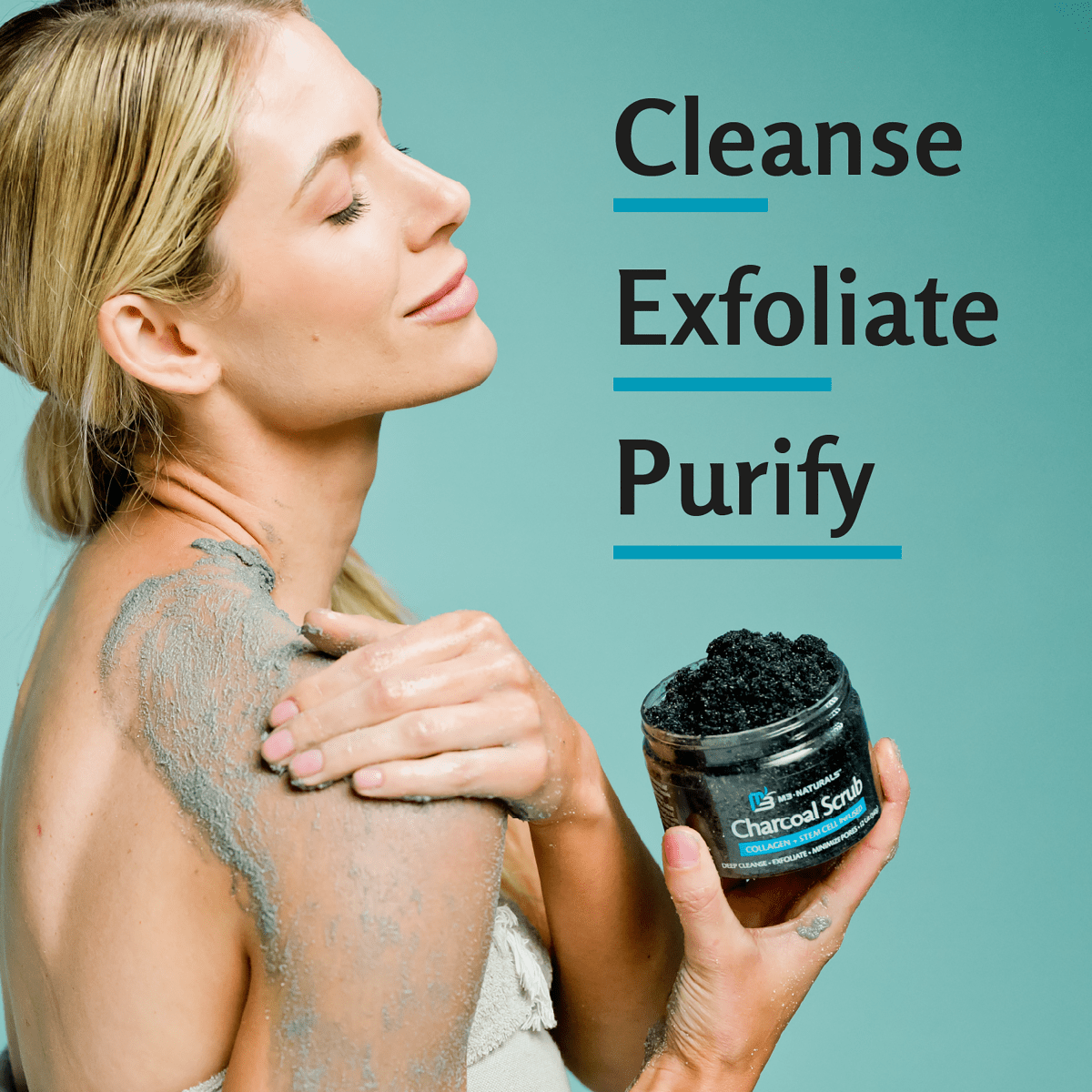
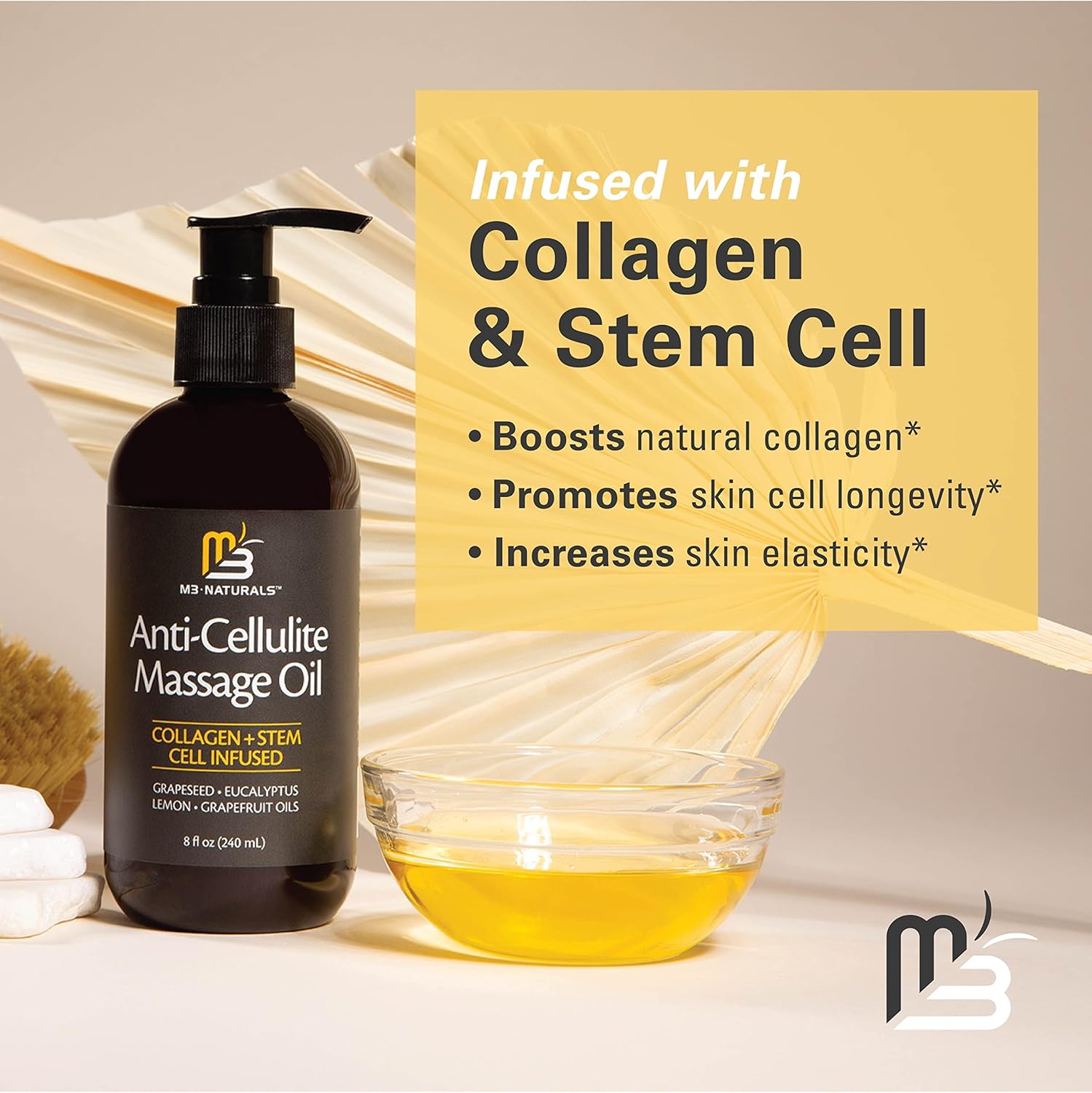
If you are working toward a lower-waste beauty routine, the M3naturals body scrub collection is a practical starting point. These spa-quality scrubs are formulated to deliver professional results with straightforward, minimal packaging, so you get more product and less waste per purchase. Multi-use formats that exfoliate, nourish, and treat in a single step also mean fewer products overall, which is the most direct path to reducing your skincare packaging footprint.
FAQ
What does zero-waste skincare packaging actually mean?
Zero-waste skincare packaging is a full lifecycle system that prioritizes reducing packaging components first, then reuse or refill, with recycling as a last resort. It is a systemic approach, not a single material or label.
Are biodegradable skincare containers actually better?
Biodegradable containers are only better if industrial composting facilities are available to process them correctly. Without that infrastructure, they behave like conventional plastic in a landfill.
What refill formats work best for skincare hygiene?
Airless pump cartridge systems are the most hygiene-sound refill format because sealed inner cartridges protect formula stability and prevent contamination, making them suitable for active ingredient products.
How do I know if a brand’s packaging is genuinely recyclable?
Look for a single resin code on the container and verify that your local curbside program accepts that material. Brands with genuine recyclability claims specify the resin type and provide disposal instructions for each component.
Does switching to sustainable packaging make a big difference?
Packaging choice matters, but consumer habits such as finishing products completely, simplifying routines, and rinsing containers before recycling often reduce waste more effectively than packaging swaps alone.