
Ethically sourced skincare ingredients are defined as raw materials harvested, processed, and traded with verified sustainability, fair labor practices, and full supply chain transparency. The industry term for this practice is “responsible sourcing,” and it covers everything from how a botanical is wildcrafted to whether the workers who harvested it were paid fairly. Certifications like FairWild and COSMOS exist specifically to verify these claims independently, because marketing language alone cannot confirm them. This guide explains how to read labels, which certifications actually matter, which ingredients meet the highest standards, and how emerging traceability technology is changing what “ethical” really means in 2026.
1. How to identify ethically sourced skincare ingredients on labels
Reading a skincare label accurately is the first skill every informed buyer needs. Under FDA 21 CFR 701.3, all U.S. cosmetic products must list ingredients using standardized INCI (International Nomenclature of Cosmetic Ingredients) names in descending order of concentration for any ingredient present above 1%. This rule exists to give you a consistent, comparable view of what is actually in the product.
Ingredients at or below 1% concentration may appear in any order after the main group, which means a brand can technically list a “hero” botanical near the top of the label while it makes up less than 1% of the formula. Color additives are always listed last and separately from the main ingredient group. Knowing this structure helps you spot whether a certified botanical is a meaningful part of the formula or a trace addition used for marketing.
INCI naming conventions also require that trade names be replaced with standardized terms. “Glycerol” must appear as “Glycerin,” and “Vitamin E” must be listed as “Tocopherol.” This standardization makes it possible to cross-reference ingredients against certification databases and sustainability resources.
- Look for certification logos (FairWild, COSMOS, USDA Organic) directly on the label
- Check whether the certified ingredient appears in the top five listed, confirming meaningful concentration
- Search the INCI name in the COSMOS or FairWild ingredient databases to verify certification status
- Be cautious of vague terms like “botanical complex” or “plant-derived blend,” which can obscure sourcing
Pro Tip: Use the free EWG Skin Deep database to cross-reference INCI names with known sustainability and safety data before purchasing.
2. Top certifications verifying responsibly sourced cosmetics
Third-party certifications are the most reliable shortcut for verifying ethical sourcing claims. Two standards dominate the credible end of the market: FairWild and COSMOS.

FairWild is the gold standard for wildcrafted ingredients. FairWild certification verifies sustainable wild harvesting practices that protect biodiversity, respect natural regeneration cycles, and guarantee fair wages and safe working conditions for harvesters. The FairWild Foundation conducts rigorous audits combining ecological, social, and economic criteria, which means a FairWild logo on a product is backed by documented field inspections, not self-reported data.
COSMOS is the leading international standard for natural and organic cosmetics. COSMOS certification requires independent evaluation of ingredient sourcing, manufacturing processes, and traceability at every stage. There are two tiers worth knowing:
| Certification | Organic requirement | Key focus |
|---|---|---|
| COSMOS Organic | High minimum % of organic plant-derived ingredients | Organic farming, processing, traceability |
| COSMOS Natural | Lower threshold, full auditing required | Natural sourcing, no synthetic processing |
COSMOS certification process involves submitting full product formulas to accredited certifiers, undergoing on-site manufacturing inspections, and completing periodic renewal to maintain compliance. This is not a one-time badge. It requires ongoing accountability.
Pro Tip: When you see a COSMOS logo, check the certifier name printed beneath it. Accredited certifiers include Ecocert, BDIH, and Soil Association. If no certifier is named, the claim is unverified.
Independent certification labels reduce the risk of greenwashing by replacing marketing language with audited evidence. They are not infallible, but they are the strongest consumer protection currently available in the clean beauty ingredients space.
3. Examples of ethically sourced ingredients and their skin benefits
The following ingredients represent the strongest intersection of verified ethical sourcing and proven skin benefits. Each has documented certification credentials or is sourced through regenerative supply chains.
- Wildcrafted rosehip oil (FairWild certified): Sourced from Rosa canina or Rosa rubiginosa, FairWild-certified rosehip oil is harvested from wild populations with documented regeneration monitoring. It delivers high concentrations of linoleic acid and vitamin A precursors, making it effective for hyperpigmentation and skin texture.
- Bio-fermented RedOil by ÄIO (COSMOS certified): ÄIO’s RedOil is a biotechnology-derived ingredient that received COSMOS certification, demonstrating that biotech-derived materials can meet strict natural sourcing standards. It offers a sustainable alternative to traditionally farmed oils with a lower land-use footprint.
- Certified organic shea butter: Sourced primarily from West Africa under fair trade frameworks, certified organic shea butter supports women-led cooperatives and delivers deep emollient benefits through its high stearic and oleic acid content.
- Certified organic coconut oil: When sourced through regenerative farming programs, coconut oil provides antimicrobial and moisturizing properties while supporting smallholder farmers in Southeast Asia and the Pacific Islands.
- Fair trade turmeric extract: Turmeric (Curcuma longa) sourced through fair trade channels from India or Sri Lanka delivers curcumin, a well-documented antioxidant and anti-inflammatory compound used in brightening formulations.
- Sustainably harvested lavender essential oil: Lavender from certified organic farms in Provence or Bulgaria provides calming aromatherapy benefits alongside skin-soothing properties. However, lifecycle assessments show that essential oils can carry a larger environmental footprint than synthetics unless managed through regenerative practices.
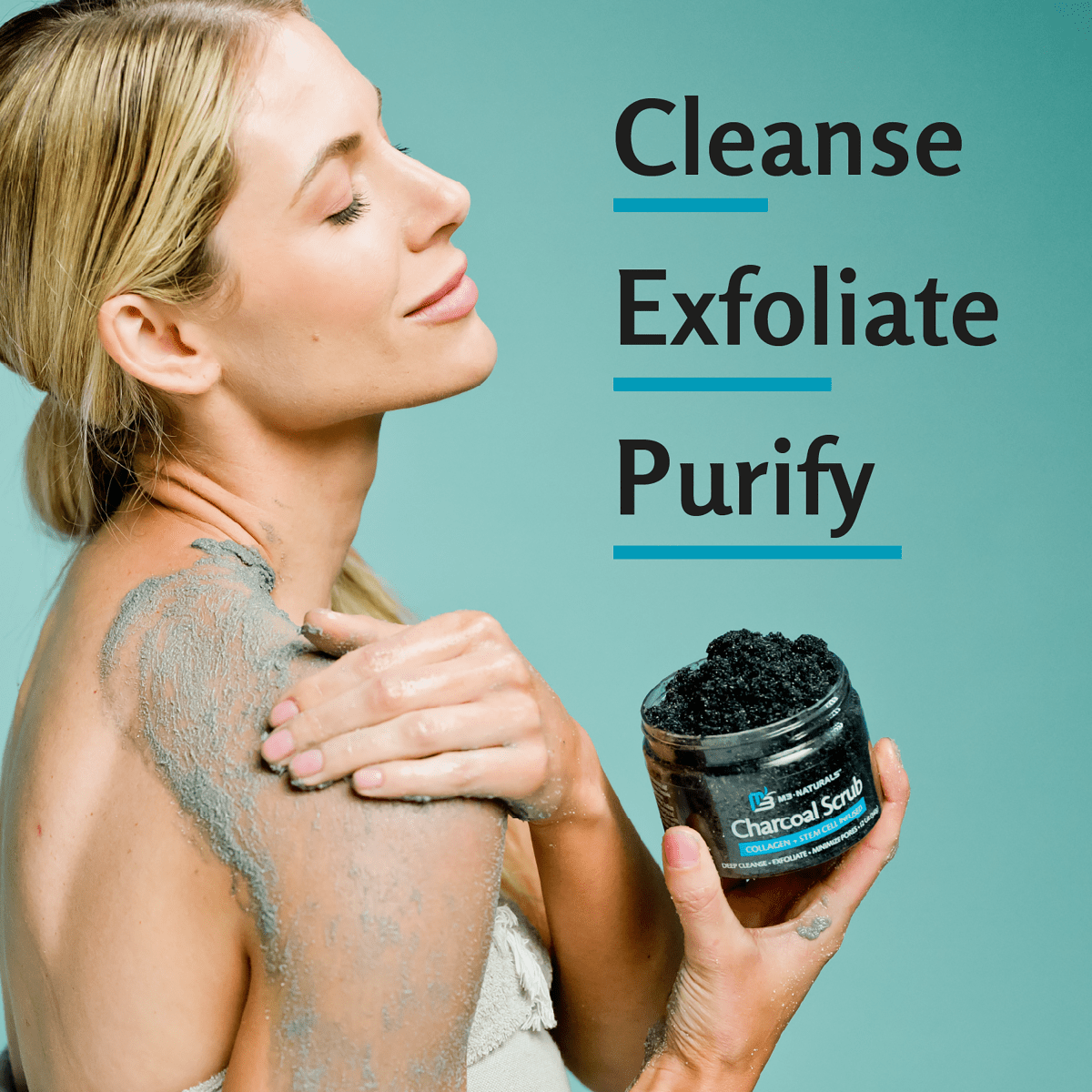
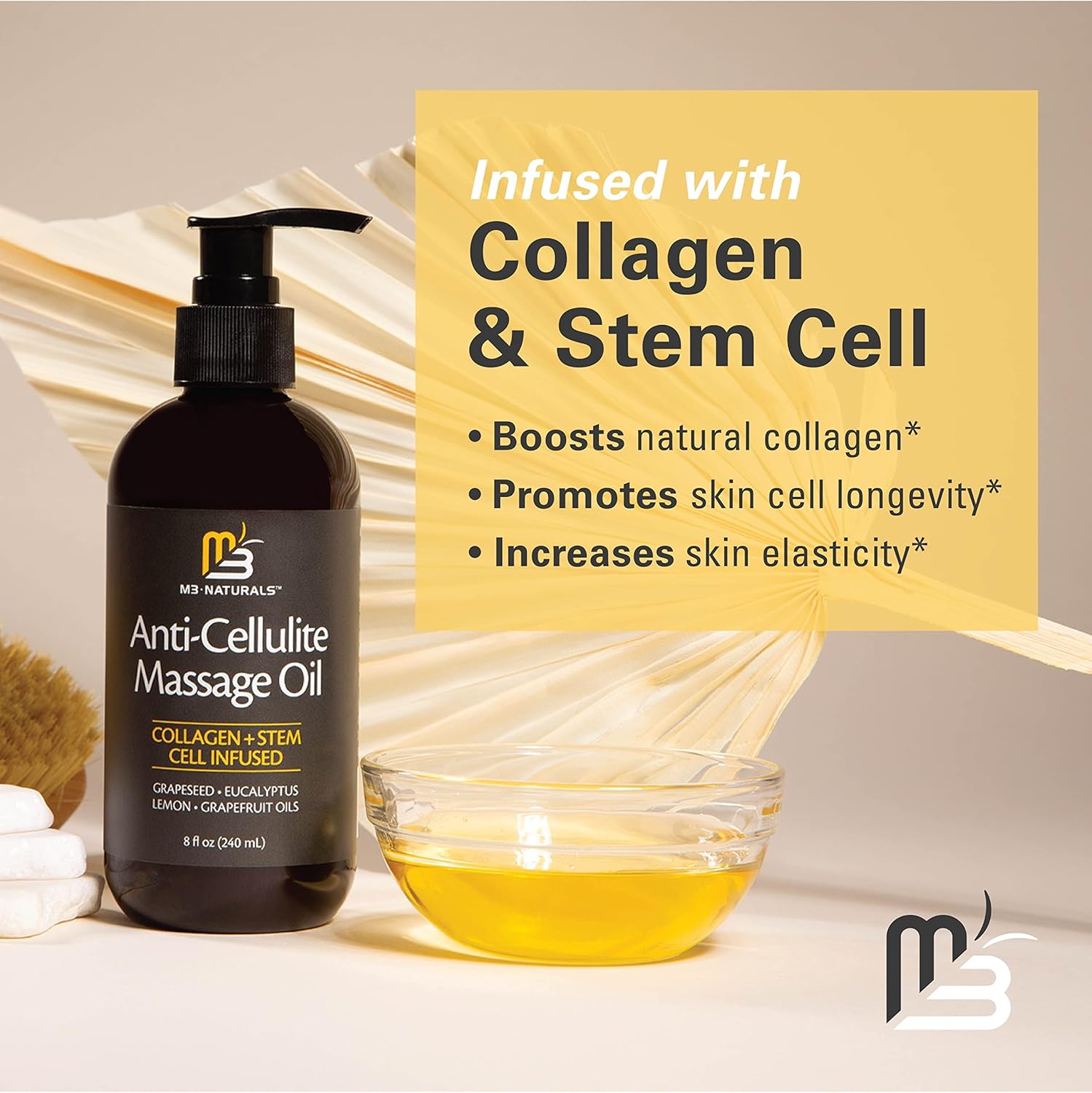
- Responsibly sourced activated charcoal: Derived from coconut shells rather than coal, coconut-derived charcoal has a lower environmental impact and is used in detoxifying cleansers and scrubs. M3naturals uses this ingredient in several of its herb-infused skincare formulations.
4. Why some “natural” ingredients are not automatically ethical
The word “natural” carries no legal definition in U.S. cosmetics regulation. A natural skincare ingredient can still be harvested through destructive overharvesting, processed using exploitative labor, or derived from biological sources that raise serious ethical questions.
Scientific literature confirms that some bio-derived cosmetic ingredients require scrutiny of manufacturing processes and supplier documentation to rule out ethically questionable sourcing, including the use of human biological material. This is not a fringe concern. It is a documented gap in the current regulatory framework that consumers can only address by requesting supplier documentation directly from brands.
Palm oil is the most widely cited example of a natural ingredient with a problematic sourcing record. Certified sustainable palm oil, verified by the Roundtable on Sustainable Palm Oil (RSPO), exists as a credible alternative. Without that certification, palm oil sourcing is frequently linked to deforestation and labor abuses. The same logic applies to mica, argan oil, and sandalwood, all of which appear in eco-friendly beauty products but carry supply chain risks without verified traceability.
Understanding natural body products means looking past the “natural” label and asking which standard verified the claim.
5. Emerging technologies supporting supply chain transparency
Certification logos verify a product at a point in time. Digital traceability tools verify the entire supply chain continuously, and that distinction matters more as ingredient sourcing grows more complex.
The OECD actively promotes digital product passports and traceability records as tools for demonstrating sustainability due diligence across global supply chains. A digital product passport links a finished cosmetic product to verified data about every ingredient’s origin, harvesting method, and processing steps. This goes far beyond what a label can communicate.
Blockchain technology is the most discussed implementation of this concept. When a brand records ingredient sourcing data on a blockchain, that record cannot be altered retroactively, which makes fraudulent claims significantly harder to sustain. Several beauty companies are piloting blockchain-based traceability for ingredients like shea butter and argan oil, with results showing measurable improvements in supply chain accountability.
“Certification logos remain a practical consumer shortcut, but true transparency requires traceability data and documentation beyond marketing claims.” — OECD Report on Due Diligence Reporting
Supply chain digital credentials are emerging as standards to fulfill both regulatory requirements and consumer demands for verified ethical sourcing. Brands that publish supplier lists, third-party audit results, or ingredient-level traceability reports are setting the new benchmark for responsible sourcing in 2026.
For consumers, the practical step is straightforward: if a brand cannot tell you where a specific ingredient was grown, who harvested it, and under what conditions, the ethical sourcing claim is unverified. Asking that question directly, via email or social media, is a legitimate and effective form of consumer due diligence.
Key takeaways
Ethically sourced skincare ingredients require verified certifications, transparent INCI labeling, and documented supply chain traceability to be credibly distinguished from conventional alternatives.
| Point | Details |
|---|---|
| Read INCI labels accurately | Ingredients above 1% are listed in descending order; certified botanicals should appear in the top five. |
| Prioritize FairWild and COSMOS | These certifications involve independent audits, not self-reported claims, making them the most reliable verification tools. |
| “Natural” does not mean ethical | Palm oil, mica, and essential oils require specific certifications like RSPO or FairWild to confirm responsible sourcing. |
| Demand traceability data | Brands with genuine ethical sourcing can provide supplier documentation and audit results beyond label claims. |
| Watch for digital credentials | Blockchain-based traceability and digital product passports are the next standard for supply chain verification. |
What I’ve learned about trusting ethical skincare claims
After years of examining ingredient sourcing across the beauty industry, the single most reliable signal I have found is not a logo. It is a brand’s willingness to answer specific questions about specific ingredients. Certifications like FairWild and COSMOS are genuinely useful. They represent real auditing work and real accountability. But they cover the ingredients a brand chose to certify, not necessarily every ingredient in the formula.
The uncomfortable reality is that a product can carry a COSMOS logo on the front while containing uncertified palm derivatives or synthetic fragrance compounds that have no ethical sourcing documentation at all. Certification applies to what was submitted for review, not to the entire product by default.
What I recommend is a two-step approach. First, use certifications as a filter to narrow your choices. Second, contact the brand directly and ask one specific question: “Can you provide sourcing documentation for ingredient X]?” The quality of that response tells you more than any logo. Brands with genuine commitments to [sustainable sourcing practices answer that question with specifics. Brands that do not, typically cannot.
I also think consumers underestimate the power of their purchasing decisions in aggregate. When enough buyers ask for traceability data, brands invest in building it. The growth of FairWild-certified products in the U.S. market over the past five years is a direct result of consumer demand, not regulatory pressure. That is worth remembering the next time you feel like one purchase does not matter.
— SuperNatural
Discover ethical skincare at M3naturals
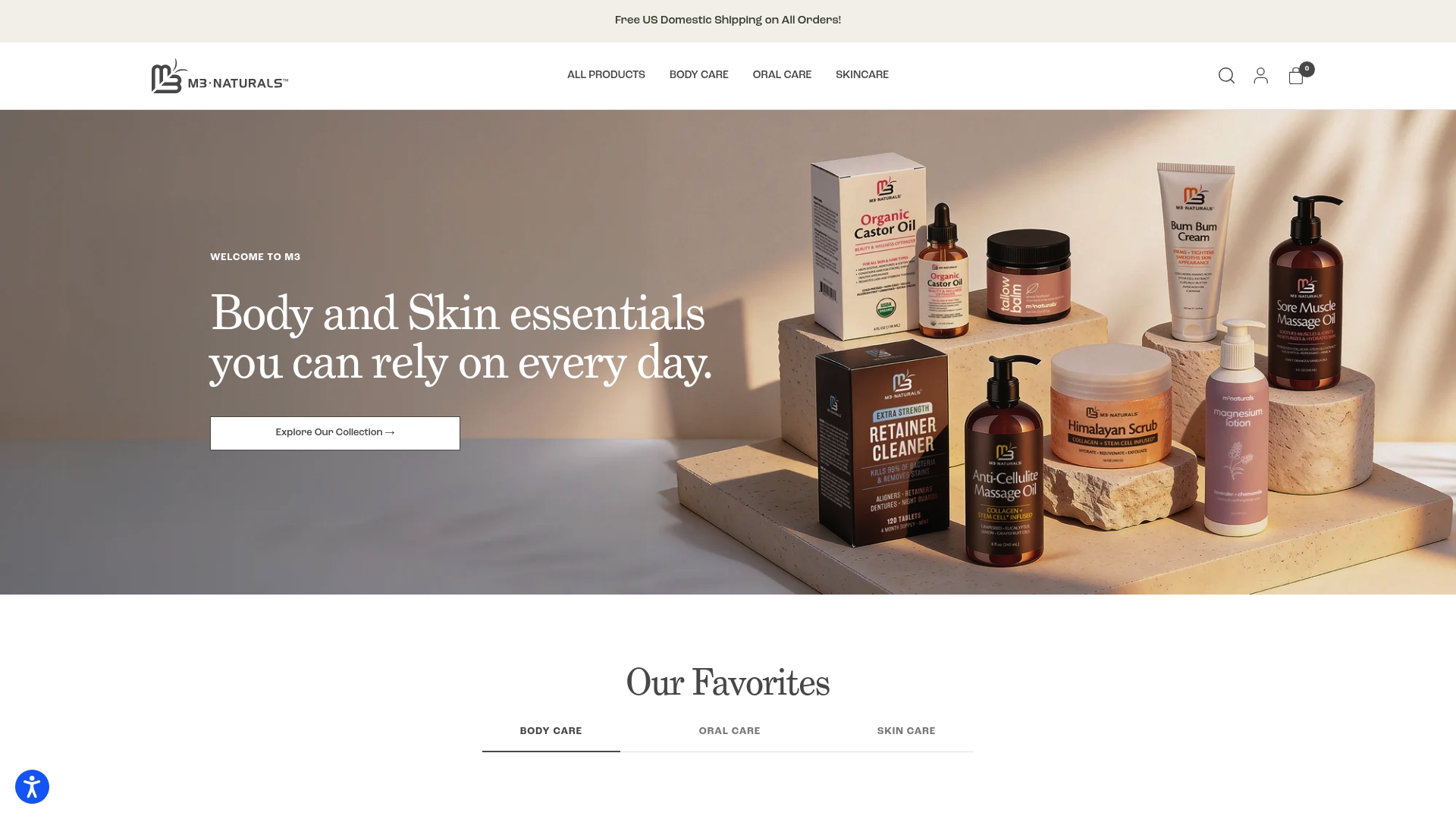
M3naturals builds its entire product line around the principle that what goes on your skin should be as clean as what goes in your body. Every formulation uses botanicals like activated charcoal, coconut oil, turmeric, and lavender sourced with the same transparency standards this article describes. The brand’s commitment to cruelty-free, vegan skincare options means no ingredient in any product was tested on animals or sourced through exploitative supply chains. If you are ready to shop with confidence, the body scrubs collection is the best place to start. Each scrub features certified botanical extracts with full ingredient transparency, giving you the ethical sourcing credentials you have been looking for in a spa-quality formula.
FAQ
What does “ethically sourced” mean for skincare ingredients?
Ethically sourced skincare ingredients are harvested and processed with verified sustainability, fair labor practices, and full supply chain traceability. Certifications like FairWild and COSMOS independently audit these claims so consumers do not have to rely on brand self-reporting.
How do I read a skincare ingredient list for ethical sourcing?
Under FDA 21 CFR 701.3, ingredients above 1% must be listed in descending order using standardized INCI names. Look for certified ingredients near the top of the list, and cross-reference INCI names against the COSMOS or FairWild ingredient databases to confirm certification status.
What is the difference between COSMOS Natural and COSMOS Organic?
COSMOS Organic requires a high minimum percentage of certified organic plant-derived ingredients, while COSMOS Natural allows lower organic thresholds but still requires full auditing of sourcing and processing. Both involve independent certification by accredited bodies like Ecocert or Soil Association.
Can a product be natural but not ethically sourced?
Yes. “Natural” has no legal definition in U.S. cosmetics regulation, so a natural ingredient can still be linked to deforestation, exploitative labor, or unsustainable harvesting. Ingredients like palm oil and mica require specific certifications such as RSPO or FairWild to confirm responsible sourcing.
How can I verify a brand’s ethical sourcing claims beyond the label?
Ask the brand directly for supplier documentation, third-party audit results, or ingredient-level traceability reports. Brands investing in digital product passports or blockchain-based traceability, as promoted by the OECD, can provide verifiable sourcing data rather than general sustainability statements.