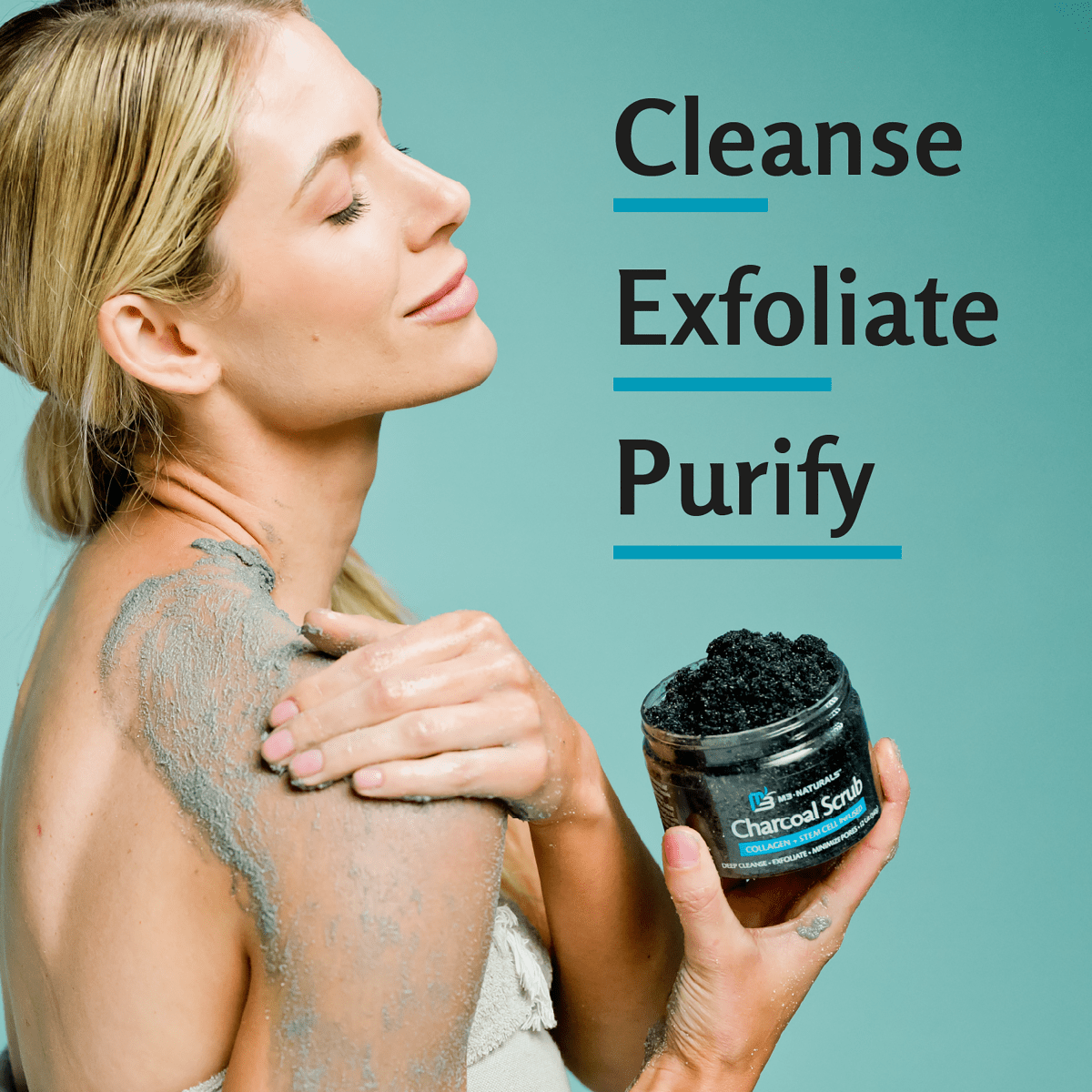

Body scrubs improve skin texture by physically exfoliating the stratum corneum, stripping away dead skin cells and surface debris to reveal smoother, more even skin underneath. This process, known in dermatology as mechanical exfoliation, produces results you can feel immediately after a single session. Unlike gradual chemical treatments, a well-formulated scrub delivers tactile feedback right in the shower. M3naturals builds its entire body care line around this principle, pairing natural abrasives with nourishing botanicals to make every scrub session count.
How body scrubs physically transform skin texture
The outermost layer of your skin, the stratum corneum, is made up of dead cells called corneocytes. Your body sheds these cells continuously through a process called desquamation, an enzymatic, timed cycle that renews your skin roughly every 28 days. When that cycle slows due to age, dry weather, or product buildup, dead cells accumulate and create the rough, dull surface texture most people want to fix.
Body scrubs work by physically accelerating what your skin is already trying to do. The abrasive particles in a scrub loosen and lift corneocytes that have not yet shed on their own, clearing the surface so newer, softer cells are exposed. This is why the improvement in texture feels immediate rather than gradual. You are not growing new skin faster. You are simply removing the layer that was obscuring it.
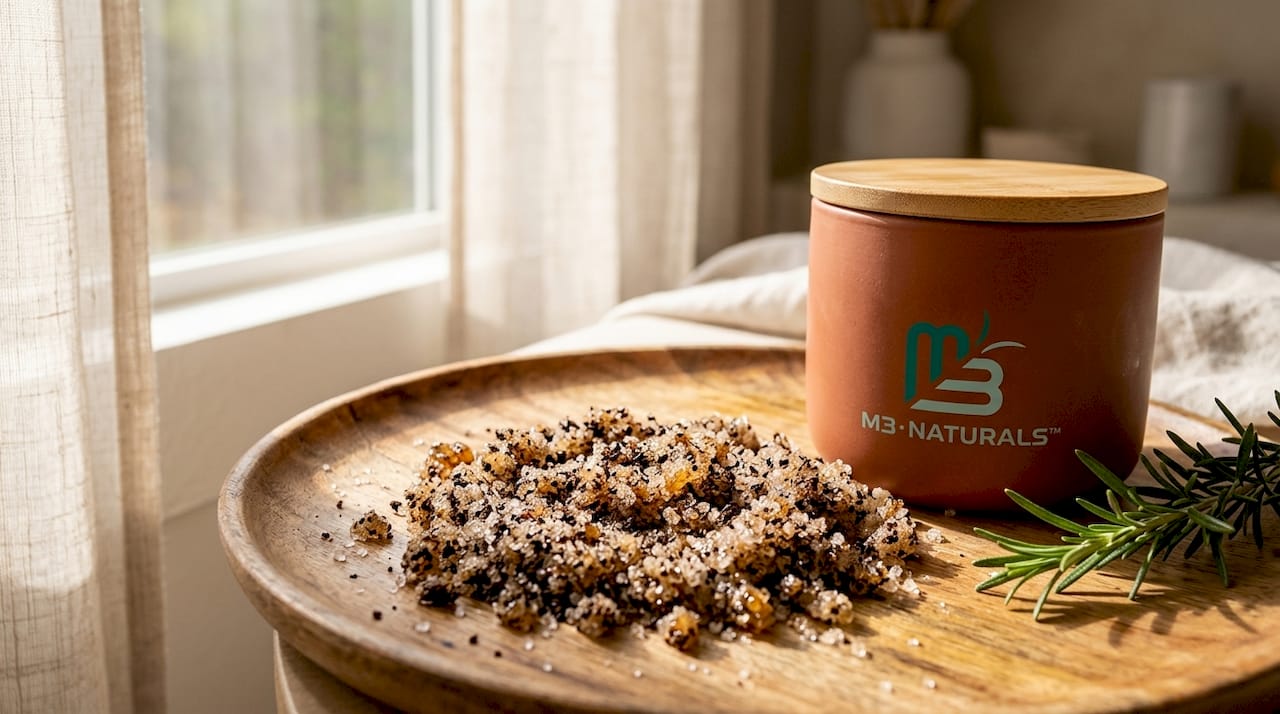
Texture improvement from scrubs is incremental by nature. A single session smooths the surface, but consistent use over several weeks supports the full desquamation cycle and produces more lasting results. Scrubs also unclog pores and reduce roughness by clearing debris that contributes to follicular blockage, which is the underlying cause of bumpy texture on areas like the upper arms and thighs.
The key distinction worth understanding: scrubs clear surface buildup visibly and quickly, but they do not address deeper causes like barrier dysfunction or follicular plugging at the root level. If your texture concerns plateau after consistent scrubbing, a different treatment approach may be needed alongside your routine.
Choosing the right scrub: abrasiveness and ingredients
Not all scrubs are created equal, and the wrong one can make texture worse rather than better. Scrub abrasiveness should match your skin type and the specific body area you are targeting. Rough zones like elbows, knees, and heels can tolerate coarser particles, while the chest, inner arms, and stomach need gentler options.
| Ingredient | Abrasiveness | Best for |
|---|---|---|
| Sugar | Low to medium | Sensitive skin, general body use |
| Oatmeal | Very low | Dry or reactive skin |
| Coffee grounds | Medium | Normal to oily skin, cellulite-prone areas |
| Sea salt | Medium to high | Rough patches, elbows, heels |
| Walnut shell powder | High | Feet, very rough skin only |
Sugar and oatmeal scrubs dissolve partially as you use them, which naturally limits how much friction they create. This makes them the safest starting point for anyone new to body exfoliation or dealing with dry, sensitive skin. The M3naturals Brown Sugar Body Scrub is a strong example of this approach, using fine brown sugar crystals alongside coconut oil to exfoliate and hydrate simultaneously.
Salt scrubs deliver more aggressive exfoliation and work well on the thicker skin of the lower legs and feet. Coffee-based scrubs sit in the middle ground and are particularly popular for areas prone to uneven texture and bumpiness. Round or dissolving granules minimize the risk of micro-tears, which is why dermatologists consistently flag walnut shell powder and apricot pit scrubs as problematic for regular use.
Pro Tip: Read the ingredient list before buying any scrub. If the first abrasive listed is a sharp, angular particle like crushed nut shells, save it for your feet only. For everywhere else, sugar, coffee, or oatmeal will deliver smoother results without the risk.
For anyone exploring natural body scrub options for the first time, starting with a sugar or coffee base gives you the texture benefits without the guesswork.
Safe and effective technique for optimal results
Technique matters as much as the product itself. The American Academy of Dermatology recommends gentle circular motions for about 30 seconds per area, using lukewarm water to soften the skin first. This approach removes dead cells without generating the friction that causes redness or irritation.
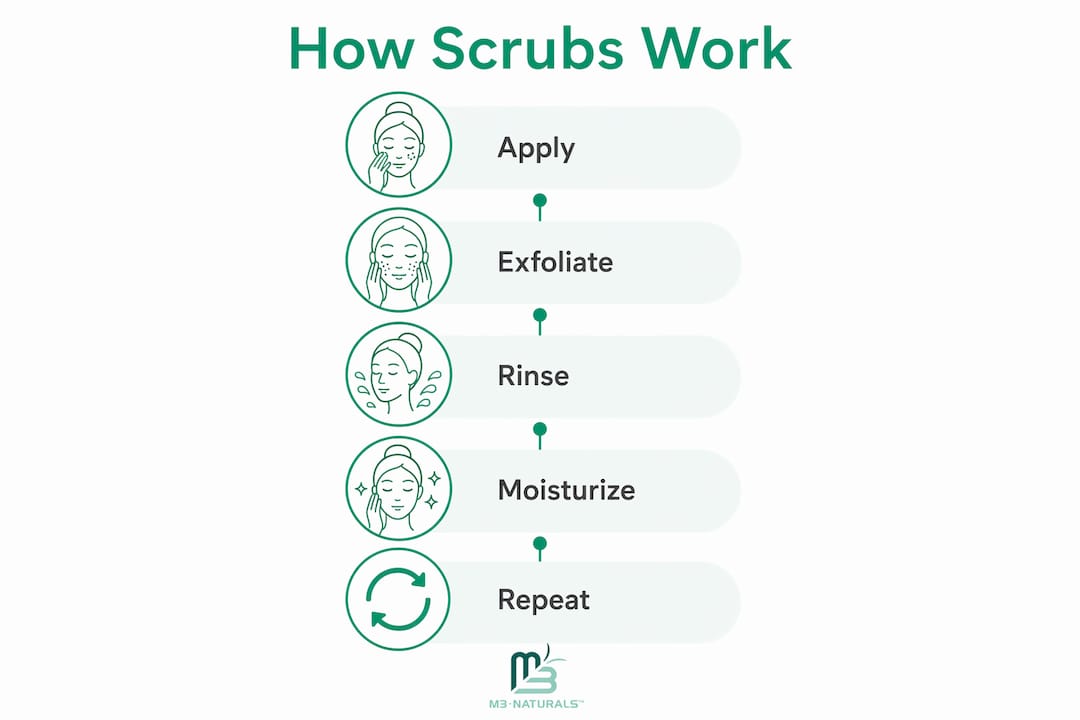
Follow these steps for a safe, effective scrub session:
- Wet your skin thoroughly with lukewarm water for at least one minute before applying any scrub. Hot water strips the skin’s natural oils and increases sensitivity.
- Apply a quarter-sized amount of scrub to your palm or a soft cloth and work it into the skin using small, gentle circles. Do not press hard.
- Spend about 30 seconds on each body zone, moving from the feet upward. Avoid any areas with open cuts, active breakouts, or sunburn.
- Rinse completely with lukewarm water, making sure no gritty residue remains in skin folds.
- Pat your skin dry with a clean towel and apply a moisturizer within two minutes while your skin is still slightly damp.
That last step is not optional. Moisturizing immediately after exfoliation replenishes hydration while your skin is most absorbent, locking in softness and preventing the dryness that can follow aggressive exfoliation. Skipping this step is one of the most common reasons people feel tighter or drier after scrubbing rather than softer.
Frequency is the other variable most people get wrong. For normal skin, two to three times per week is the ceiling. Dry or sensitive skin does better with once a week. Over-exfoliation compromises your skin barrier, increases water loss, and triggers inflammation, which actively worsens texture over time. Your skin should never feel sore, raw, or tight after a scrub session. If it does, you are using too much pressure or scrubbing too often.
Pro Tip: Replace porous exfoliating tools like loofahs every three to four weeks. Bacteria accumulate in the fibers quickly and can cause irritation that undermines your texture improvement goals. Silicone scrubbing pads are easier to clean and last significantly longer.
For a detailed walkthrough of proper application, the M3naturals guide on scrub application technique covers every step with clear, practical guidance.
Physical scrubs vs. other exfoliation methods
Understanding where body scrubs fit relative to other exfoliation methods helps you set realistic expectations and choose the right tool for your specific texture concern.
Body scrubs provide immediate tactile smoothing through physical removal of surface buildup, while chemical exfoliants like alpha-hydroxy acids (AHAs) and beta-hydroxy acids (BHAs) work gradually by dissolving the bonds between dead cells. This means physical scrubs win on speed and sensory satisfaction, while chemical exfoliants win on consistency and depth over time.
Here is how the main methods compare:
- Physical scrubs (body scrubs, dry brushing): Instant smoothing, visible results after one use, best for general texture improvement and dull skin. Risk of over-exfoliation if technique is poor.
- Chemical exfoliants (AHAs like glycolic acid, BHAs like salicylic acid): Gradual improvement over days to weeks, better for persistent rough texture, keratosis pilaris, or hyperpigmentation. Lower risk of physical irritation but can cause sensitivity with overuse.
- Enzymatic exfoliants (papain from papaya, bromelain from pineapple): Gentle and suitable for sensitive skin, work by digesting dead cell proteins. Slower results but minimal irritation risk.
- Dry brushing: Physical method using a stiff-bristled brush on dry skin before showering. Stimulates circulation and removes surface cells, but requires careful technique to avoid micro-tears.
The right choice depends on your skin type and texture goal. For someone dealing with rough, dull skin on the legs or back, a natural exfoliation approach using a quality body scrub two to three times per week will deliver the fastest visible improvement. For persistent bumps or discoloration, combining a gentle scrub with a chemical exfoliant on alternating days is more effective than relying on either method alone.
One important caveat: mechanical scrubs cannot fully resolve texture issues caused by disrupted skin chemistry, such as pH imbalance or hard water mineral deposits that interfere with enzymatic desquamation. If your texture does not improve after four to six weeks of consistent scrubbing, the cause may be internal or chemical rather than surface-level.
Key takeaways
Body scrubs improve skin texture by removing dead surface cells to reveal smoother skin, but consistent technique, appropriate product selection, and post-scrub moisturizing determine whether results last.
| Point | Details |
|---|---|
| Mechanism is physical and immediate | Scrubs remove stratum corneum buildup, producing smoother skin after a single session. |
| Match abrasiveness to skin type | Use sugar or oatmeal for sensitive areas; reserve salt or coarser scrubs for elbows and heels. |
| Technique determines outcome | Gentle circular motions for 30 seconds per zone prevents barrier damage and worsens texture. |
| Moisturize within two minutes | Applying moisturizer on damp skin after scrubbing locks in hydration and extends smoothness. |
| Over-exfoliation reverses progress | Scrubbing more than three times per week on normal skin triggers inflammation and dryness. |
What I’ve learned from years of watching people scrub wrong
Most people approach body scrubs with the same logic they apply to cleaning a dirty pan: more pressure, better results. That instinct is exactly backward. The clients and readers I have seen get the best texture results are the ones who treat their skin gently and consistently, not aggressively and occasionally.
The misconception I see most often is confusing the “smooth after shower” feeling with actual texture improvement. That slippery sensation right after scrubbing can be misleading. Over-exfoliation creates a false smoothness by stripping the skin’s protective layer, which then leads to dryness and irritation within 24 hours. Real texture improvement feels smooth the next morning, not just in the shower.
My honest recommendation is to treat your scrub like a weekly ritual rather than a daily fix. Pick one or two days a week, use a scrub with ingredients you recognize (coconut oil, brown sugar, coffee), apply it gently, and follow immediately with a rich body moisturizer. That combination, done consistently for four weeks, will outperform any aggressive daily scrubbing routine. The skin you want is already there. You just need to clear the way for it, not sand it down.
— SuperNatural
Discover natural body scrubs that actually work
M3naturals formulates its body scrubs with ethically sourced natural ingredients like coconut oil, charcoal, turmeric, and lavender, designed to exfoliate and nourish in a single step. Whether you are targeting rough texture on your legs, bumpy skin on your arms, or dullness across your whole body, there is a formula built for your specific concern.

Explore the full M3naturals body care collection to find scrubs, moisturizers, and exfoliating tools that work together for lasting texture improvement. From the Brazilian Body Scrub to the Anti-Cellulite Body Scrub, every product is formulated to deliver spa-quality results at home. Pair any scrub with a nourishing body cream from the M3naturals skincare range to lock in the smoothness after every session.
FAQ
How often should you use a body scrub for better texture?
Normal skin benefits from two to three sessions per week, while dry or sensitive skin should limit use to once a week. Exceeding this frequency risks barrier damage and inflammation that worsens texture over time.
What body scrub ingredients work best for smooth skin?
Sugar, oatmeal, and coffee grounds are the most effective natural exfoliants for general texture improvement. Sugar and oatmeal are gentlest for sensitive skin, while coffee works well on normal to oily skin and bumpy areas.
Can body scrubs replace chemical exfoliants?
Body scrubs deliver immediate surface smoothing that chemical exfoliants cannot match for speed, but they do not penetrate as deeply. For persistent texture issues like keratosis pilaris, combining both methods on alternating days produces better results than either alone.
Why does skin feel rough again quickly after scrubbing?
Skipping moisturizer after exfoliation is the most common cause. Applying a moisturizer within two minutes of rinsing, while skin is still damp, seals in hydration and extends the smoothness significantly longer than scrubbing alone.
Is it safe to use a body scrub on your face?
Body scrubs are formulated for thicker skin and are generally too abrasive for facial use. For facial exfoliation, natural face exfoliants designed specifically for delicate facial skin are a safer choice.