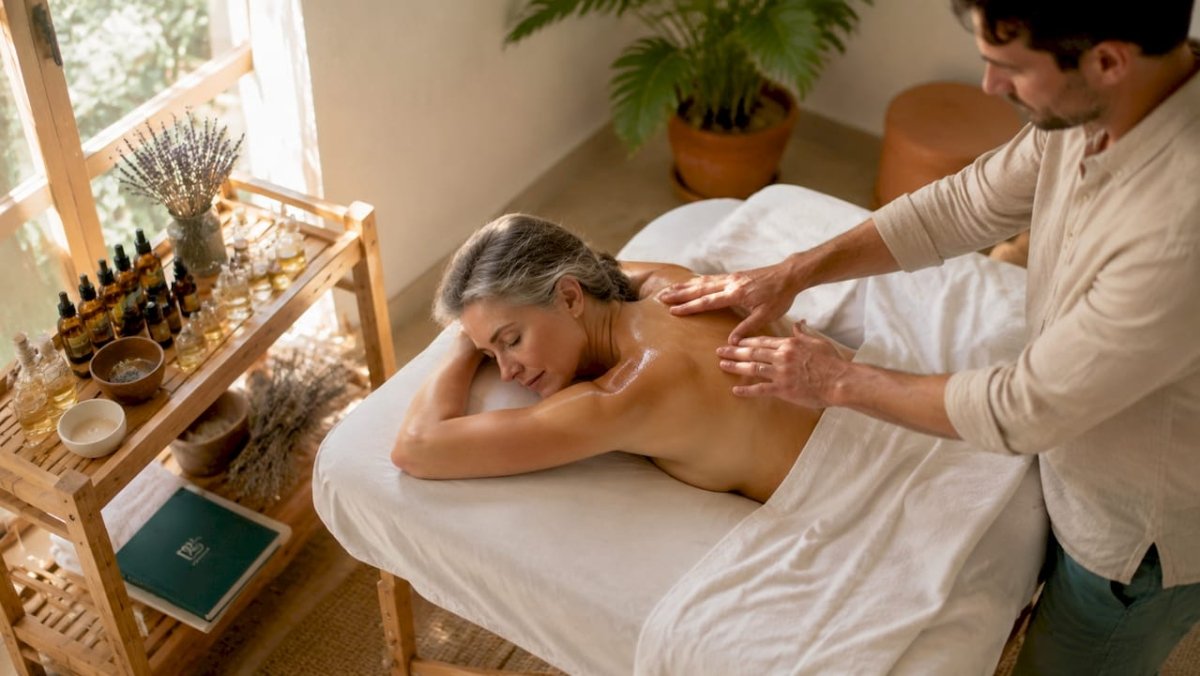

Aromatherapy massage oils are defined as blends of therapeutic essential oils diluted in carrier oils, formulated to deliver both physical and emotional wellness benefits through touch and scent. Understanding the aromatherapy massage oil basics separates a genuinely restorative experience from one that irritates skin or wastes expensive botanicals. The combination of tactile and olfactory stimuli creates a richer massage experience than either element alone. This guide covers essential oil selection, carrier oil properties, safe dilution ratios, and blending techniques so you can build effective, personalized blends with confidence.
What are the differences between essential oils and carrier oils in aromatherapy massage?
Essential oils are highly concentrated, volatile plant extracts obtained through steam distillation or cold pressing. They carry the plant’s aroma and therapeutic compounds, but they are too potent to apply directly to skin. Their role in any aromatherapy blend is to provide the scent and the targeted therapeutic effect, whether that is calming the nervous system with lavender or clearing congestion with eucalyptus.
Carrier oils are plant-derived, fatty oils that dilute essential oils to a skin-safe concentration while delivering their own skin benefits. They also provide the slip and glide that makes massage physically effective. Popular choices include jojoba, grapeseed, and sweet almond, each with distinct properties worth knowing before you blend.
Here is how the three most common carrier oils compare:
- Jojoba oil: Technically a liquid wax ester, jojoba mimics human sebum and is exceptionally stable. It suits sensitive and acne-prone skin and has one of the longest shelf lives of any carrier oil.
- Grapeseed oil: Lightweight and non-greasy, grapeseed absorbs quickly into skin. It is a good choice for oily skin types, though it oxidizes faster than jojoba and has a shorter shelf life.
- Sweet almond oil: Rich in vitamins A and E, sweet almond is one of the most widely used massage carriers. Avoid it entirely for clients with tree nut allergies.
Selecting the right carrier is not just about skin type. Absorption speed, stability, and scent neutrality all affect how your finished blend performs. A carrier that goes rancid quickly will ruin even the finest essential oil blend, so matching carrier choice to your intended use frequency matters as much as matching it to skin type. You can go deeper on this topic in M3naturals’ guide on how carrier oils work on skin.
How to safely dilute essential oils for massage
Dilution is the single most important safety step in working with essential oils. A dilution percentage refers to the ratio of essential oil to carrier oil by volume. Getting this wrong does not just reduce effectiveness. It can cause sensitization, a condition where your immune system develops an allergic response to an oil you previously tolerated without issue.
The table below covers standard dilution guidelines for different massage contexts:
| Application | Dilution % | Drops per 30 ml carrier |
|---|---|---|
| Facial massage | 0.5% | 3 drops |
| Full-body massage | 1% to 2% | 9 to 12 drops |
| Spot treatment (muscle, joint) | 2% to 3% | 12 to 18 drops |
| Sensitive skin or elderly clients | 0.5% to 1% | 3 to 9 drops |
For general full-body use, safe dilution ranges from 1% to 3%, equating to roughly 9 to 18 drops per 30 ml of carrier oil. These are not arbitrary numbers. They reflect decades of professional practice and research into skin absorption thresholds.
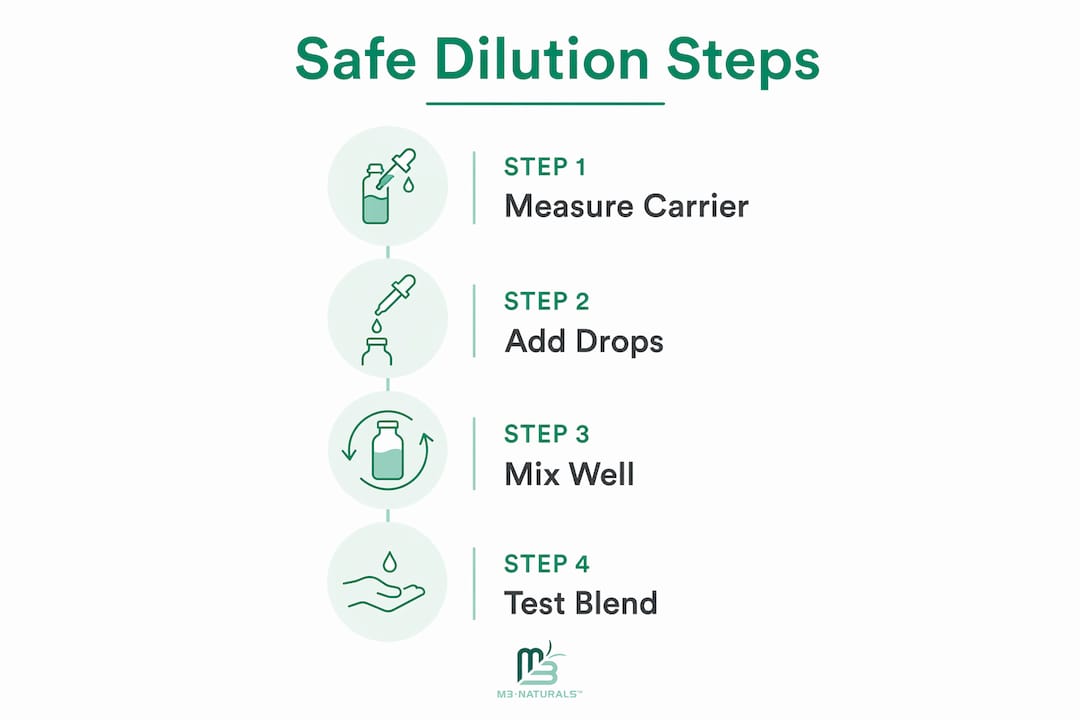
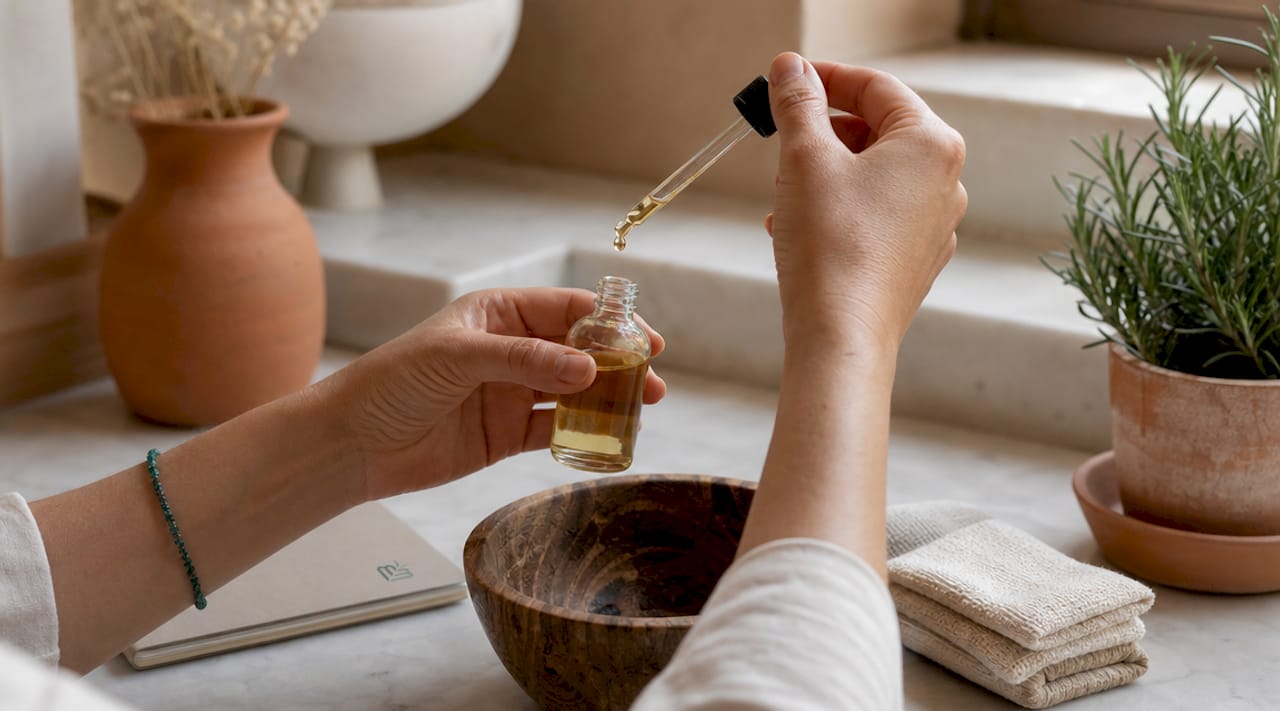
One practical problem most beginners overlook is drop size variation. The 20 drops equal 1 ml counting method varies by oil viscosity and dropper design, which means your actual concentration may be higher than intended. Advanced users measure by weight using a digital scale for precision, particularly when making larger batches.
Pro Tip: Store finished blends in dark amber or cobalt glass bottles away from heat and direct sunlight. Light and heat accelerate oxidation, especially in grapeseed-based blends, which have a naturally shorter shelf life than jojoba-based ones.
Excessive essential oil concentration can cause sensitization, leading to allergic reactions even in people who have used the same oil safely before. More drops do not mean more benefit. Therapeutic effect does not scale linearly with concentration, and this is one of the most counterintuitive facts in aromatherapy practice.
How to choose and blend essential oils by therapeutic goal
Choosing essential oils by therapeutic purpose is the most practical framework for building effective blends. Rather than selecting oils based on scent preference alone, start with the outcome you want and work backward to the oils that deliver it.
- For relaxation and sleep: Lavender is the most studied and widely used oil in this category. Its linalool content has documented calming effects on the nervous system. Chamomile and sandalwood are strong supporting choices.
- For muscle recovery: Eucalyptus and peppermint are the go-to options. Both contain compounds that create a cooling sensation and support circulation. M3naturals covers this application in detail in their guide on massage oils for muscle recovery.
- For mood uplift and energy: Bergamot, sweet orange, and grapefruit citrus oils lift mood effectively. Note that citrus oils may cause photosensitivity, so avoid sun exposure on treated skin for at least 12 hours after application.
- For sensitive skin: Roman chamomile and rose are the gentlest choices. Keep dilutions at 0.5% to 1% and always patch test first.
Blending is where aromatherapy becomes genuinely creative. The most effective blends use a top, middle, and base note structure borrowed from perfumery. Top notes like bergamot or lemon are the first scents you detect but fade quickly. Middle notes like lavender or geranium form the heart of the blend. Base notes like cedarwood or frankincense anchor the scent and extend its duration.
Pairing lavender with sweet orange is a classic example of synergistic blending. The linalool-rich lavender provides depth and calm while the sweet orange top note prevents the blend from becoming one-dimensionally sedating. This balance is what separates a professional-quality blend from one that smells flat or overwhelming.
Pro Tip: Before committing to a full 30 ml batch, test your blend ratio on a cotton pad and let it sit for 10 minutes. Scent profiles shift as top notes evaporate, and what smells balanced at first sniff may become heavy or sharp after a few minutes.
Step-by-step guide to preparing your own aromatherapy massage oil
Making your own blend at home requires minimal equipment and produces results that rival commercial products when you follow the process correctly.
What you need:
- A dark glass bottle (30 ml or 60 ml)
- Your chosen carrier oil
- 2 to 3 essential oils
- A digital scale or calibrated dropper
- Labels and a marker
The preparation process:
- Start with a clean, dry glass bottle. Any moisture introduces contamination risk.
- Pour your measured carrier oil into the bottle first. This prevents accidental skin contact with undiluted essential oils.
- Add your essential oils one at a time, counting drops carefully. For a standard 2% blend in 30 ml, add 12 drops total across your chosen oils.
- Cap the bottle and roll it gently between your palms for 30 seconds. Do not shake vigorously, as this introduces air bubbles that accelerate oxidation.
- Label the bottle with the blend name, date, and dilution percentage. This step is easy to skip and consistently regretted.
- Let the blend rest for 24 hours before first use. Essential oils continue to integrate and the scent profile settles during this period.
For application during massage, warm the oil slightly by holding the bottle in your hands for a minute before use. Cold oil on skin disrupts relaxation immediately. Diffusing the same essential oil blend before and during the massage session primes the nervous system and deepens the sensory experience, a technique professional therapists use to create a consistent aromatic environment.
The most common DIY mistake is using too many oils in a single blend. Three oils maximum is the practical limit for beginners. More than that and the therapeutic focus blurs, the scent becomes muddy, and tracking which oil caused a reaction becomes impossible.
How to ensure safety and maximize benefits from aromatherapy massage
Safe practice is not optional in aromatherapy. These are the non-negotiable rules before you apply any blend to skin:
- Patch test every new blend on the inner forearm 24 hours before full application. Reactions can be delayed.
- Screen for contraindications before use. Pregnancy, epilepsy, and certain medications all create specific restrictions. Rosemary, for example, is contraindicated during pregnancy and for people with high blood pressure.
- Never apply undiluted essential oils directly to skin, regardless of what you read about “neat” application of lavender. Even gentle oils cause sensitization over time with repeated undiluted use.
- Adjust dilution for vulnerable populations. Children, elderly individuals, and people with compromised skin barriers all require lower concentrations, typically 0.5% or below.
- Manage fragrance intensity in the session environment. A heavily scented room combined with a concentrated massage oil can cause headache or nausea, particularly for clients sensitive to strong aromas.
“Therapeutic effects depend on proper oil synergy and balanced dilution rather than quantity.” This principle, emphasized consistently by professional massage therapists, is the foundation of effective aromatherapy practice.
The wellness benefit of aromatherapy massage comes from the combination of aroma molecules engaging the limbic system alongside the physical pressure of massage. Neither element works as well in isolation. This is why a well-formulated, correctly diluted blend applied with intentional massage technique consistently outperforms either a scented room or an unscented massage alone.
Key takeaways
Effective aromatherapy massage oils require the right carrier oil, a safe dilution ratio between 1% and 3%, and essential oils chosen for specific therapeutic goals rather than scent preference alone.
| Point | Details |
|---|---|
| Carrier oil selection matters | Choose jojoba for sensitive skin, grapeseed for oily skin, and sweet almond for general use. |
| Dilution is a safety rule | Use 1% to 2% dilution (9 to 12 drops per 30 ml) for full-body massage to prevent sensitization. |
| Blend with purpose | Select essential oils by therapeutic goal: lavender for calm, peppermint for muscle relief, bergamot for mood. |
| Measure accurately | Drop size varies by viscosity and dropper, so weigh oils or use a calibrated dropper for consistent results. |
| Store blends correctly | Use dark glass bottles and keep blends away from heat and light to extend shelf life and preserve potency. |
Why I think most people overcomplicate aromatherapy blending
Most guides on aromatherapy blending bury readers in chemistry terms and rare botanicals before they have ever made a single blend. That approach produces anxiety, not wellness. My honest observation after years of working with natural body care formulations is that the people who get the most out of aromatherapy are the ones who start with two or three oils, learn how those specific oils behave on their skin, and build from there.
The safety rules are not bureaucratic obstacles. They exist because sensitization is real and irreversible. Once your immune system flags an oil as a threat, no amount of dilution makes it safe for you again. That is a permanent loss of a therapeutic tool, and it happens most often to people who skipped patch testing because they were impatient.
What I find genuinely underappreciated is the environmental dimension of aromatherapy. Diffusing your blend in the room before a massage session, as professional therapists do, changes the entire experience. Your nervous system begins responding to the scent before the first touch. That priming effect is not placebo. It reflects how the limbic system processes olfactory input ahead of conscious awareness.
Start simple. Lavender and sweet orange in a jojoba base at 2% is not a beginner blend. It is a genuinely effective one that professional therapists use regularly. Master that before you reach for a shelf of twenty oils.
— SuperNatural
Discover M3naturals massage oils for your wellness practice

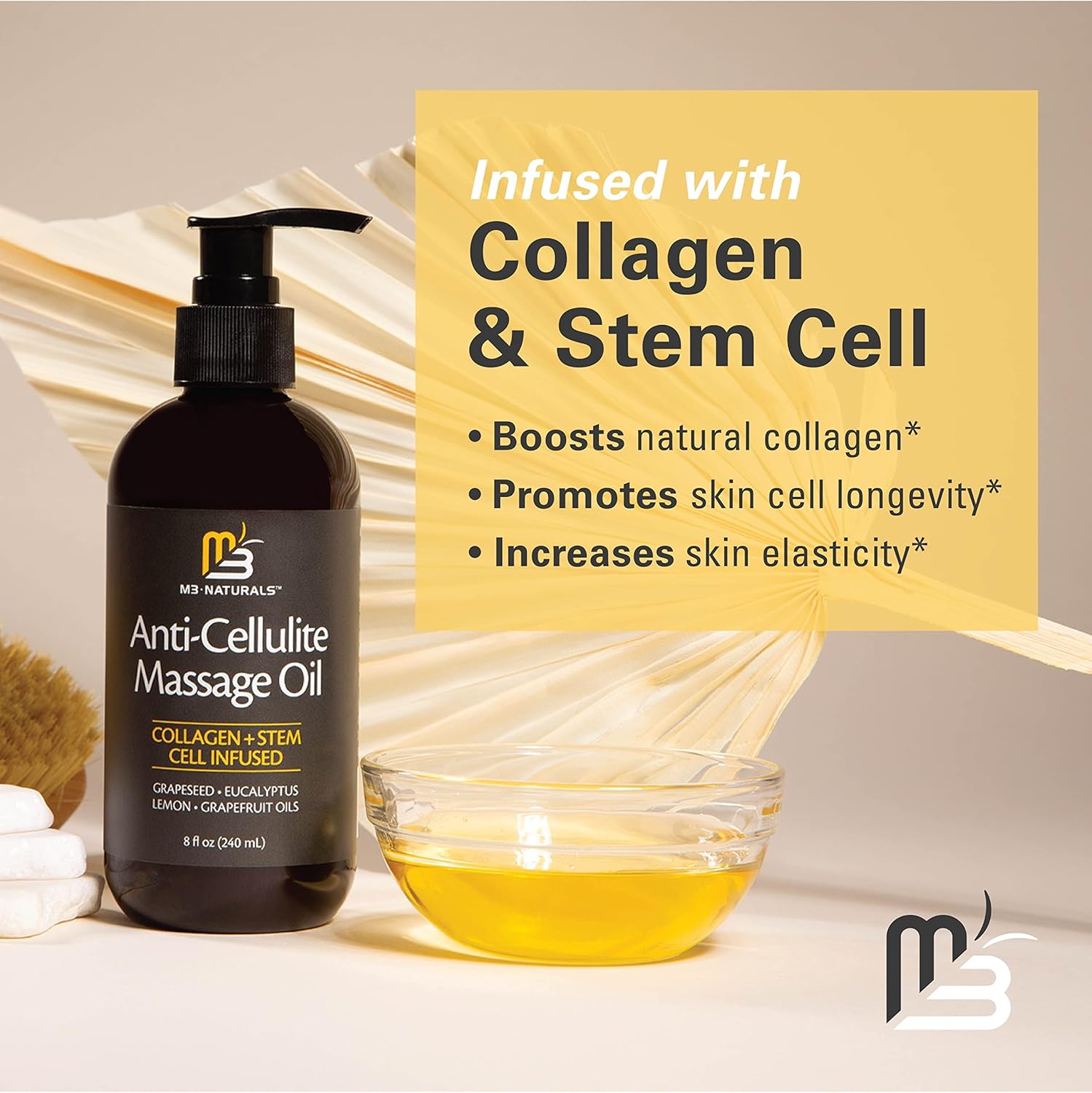
M3naturals offers a curated selection of massage oil blends formulated with ethically sourced botanicals including lavender, coconut oil, and other therapeutic extracts. Each product is designed to deliver professional-grade results at home, whether your goal is muscle recovery, deep relaxation, or everyday skin nourishment. If you are building a complete self-care routine, pairing a quality massage oil with one of M3naturals’ body scrubs prepares skin for better absorption and a more sensory-rich experience. Browse the full collection to find the blend that fits your wellness goals.
FAQ
What is aromatherapy massage?
Aromatherapy massage combines therapeutic essential oils diluted in carrier oils with physical massage techniques to deliver both physical and emotional wellness benefits through simultaneous touch and scent stimulation.
What dilution ratio is safe for full-body massage?
A 1% to 2% dilution is the standard safe range for full-body massage, equating to 9 to 12 drops of essential oil per 30 ml of carrier oil for most adults.
Which carrier oil is best for sensitive skin?
Jojoba oil is the top choice for sensitive skin because it mimics the skin’s natural sebum and has exceptional stability, making it unlikely to cause irritation or clog pores.
Can you mix multiple essential oils in one blend?
Yes, and synergistic blends often outperform single oils. Limit yourself to three oils when starting out, and balance top, middle, and base notes to avoid flat or overpowering aromas.
How long do homemade aromatherapy massage oil blends last?
Shelf life depends on the carrier oil used. Jojoba-based blends last up to two years when stored correctly, while grapeseed-based blends oxidize faster and should be used within six to twelve months.