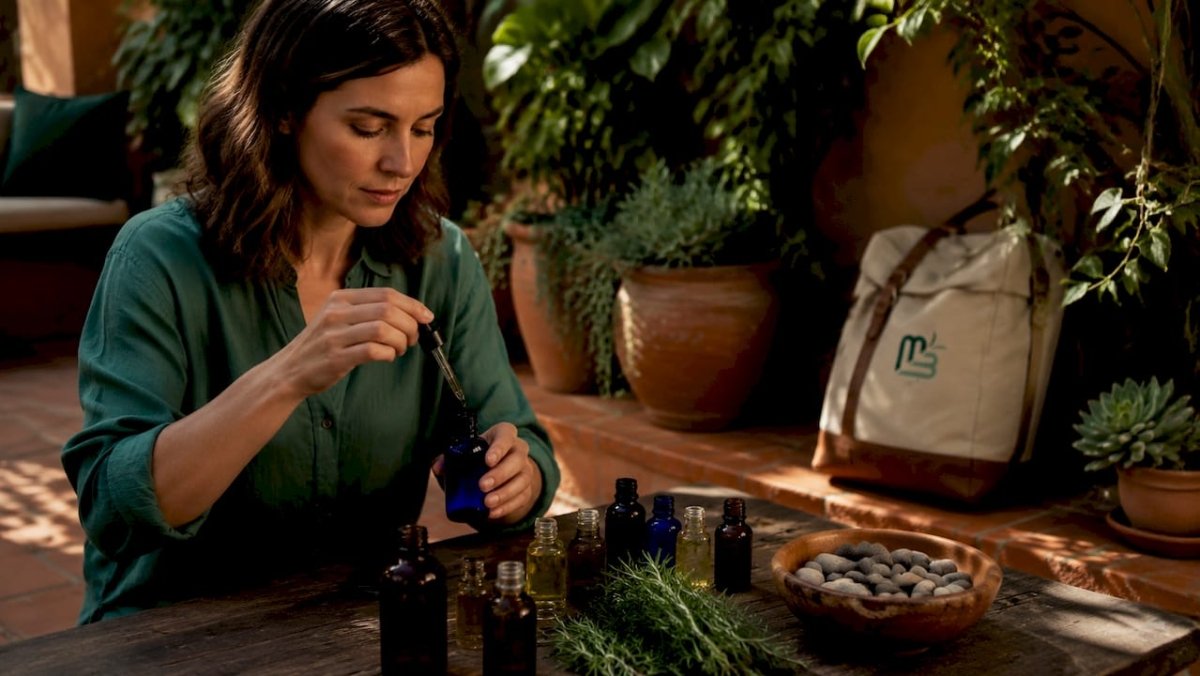

Aromatherapy massage oils are defined as essential oils diluted in carrier oils and applied topically during massage to deliver therapeutic benefits through both skin absorption and inhalation. The benefits of aromatherapy massage oils span relaxation, anxiety reduction, pain relief, improved sleep, and lower blood pressure, making them one of the most versatile tools in holistic wellness. Organizations including the U.S. Department of Veterans Affairs and the American College of Healthcare Sciences recognize aromatherapy massage as a legitimate complementary practice. For anyone pursuing natural remedies over pharmaceutical options, understanding how these oils work and which ones to choose is the foundation of an effective self-care routine.
1. What are the main therapeutic benefits of aromatherapy massage oils?
Aromatherapy massage oils deliver measurable physiological and psychological benefits by combining the chemical properties of essential oils with the circulatory and neurological effects of massage. A 2026 meta-analysis of 33 studies with 2,312 participants showed significant reductions in anxiety (SMD −0.46), pain (SMD −1.29), fatigue (SMD −0.79), and blood pressure. These are not marginal improvements. A pain reduction effect size above 1.0 is considered large in clinical research, meaning aromatherapy massage produces meaningful relief, not just a placebo response.
The core benefits supported by current evidence include:
- Anxiety reduction: Consistent across healthy adults, perioperative patients, and students under stress
- Pain relief: Particularly effective for menstrual cramps, postoperative discomfort, and musculoskeletal pain
- Fatigue reduction: Aromatherapy moderately reduces fatigue in stressed populations including nursing students and caregivers
- Sleep improvement: A network meta-analysis ranked aromatherapy at 76.2% for improving sleep quality in ICU patients, one of the highest scores among non-pharmacological interventions
- Blood pressure regulation: Reductions in systolic and diastolic pressure observed across multiple study populations
Results vary depending on oil type, dilution, massage duration, and individual sensitivity. Aromatherapy massage works best as a complementary practice within a broader wellness routine, not as a standalone treatment for clinical conditions.
2. Which essential oils are best for aromatherapy massage?
The most widely used and researched essential oils for massage each carry distinct therapeutic profiles. Knowing what each oil does allows you to match your oil selection to your specific wellness goal.
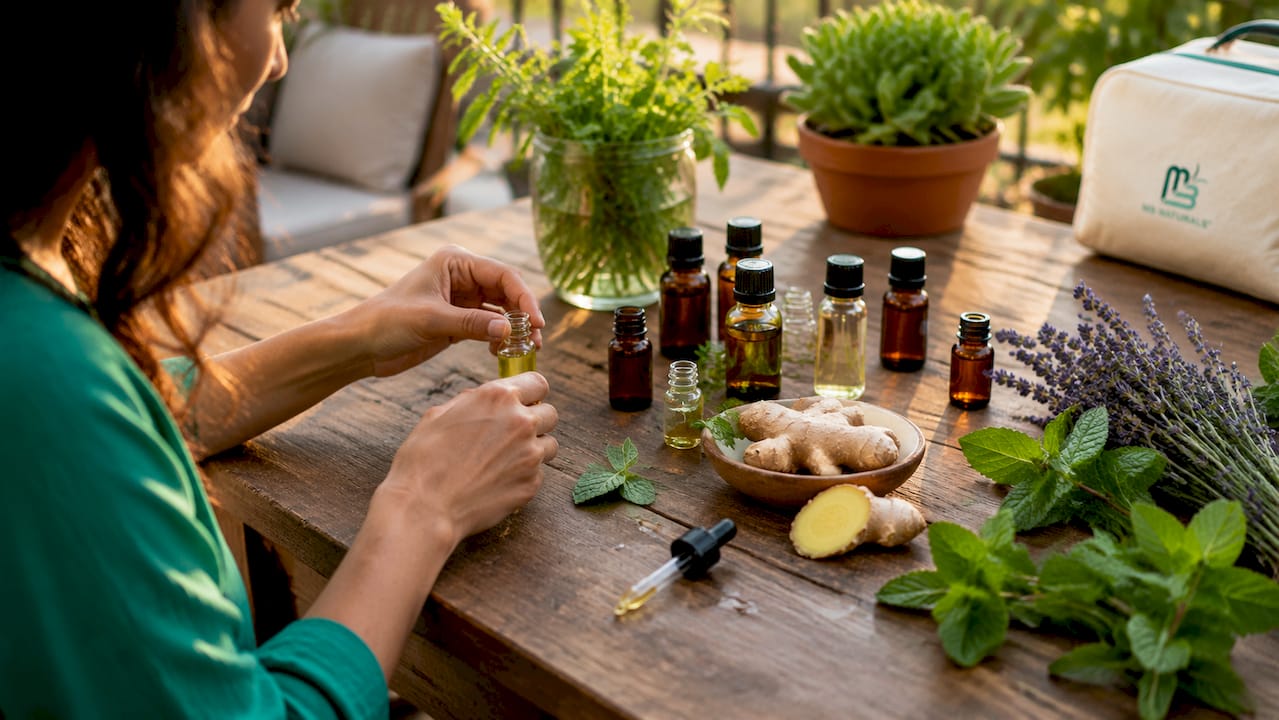
Lavender is the most studied essential oil in massage therapy. Research shows lavender EO massage reduces preoperative anxiety and improves sleep quality, including in colorectal cancer patients. Its calming effect on the autonomic nervous system makes it the default choice for relaxation and sleep support.
Ylang ylang is used for mood elevation and mild blood pressure reduction. Its floral, slightly sweet scent activates parasympathetic nervous system responses, making it a strong candidate for stress-related tension.
Ginger brings warming properties that support circulation and ease muscle stiffness. It is particularly effective in massage oils targeting joint discomfort and post-exercise soreness.
Tea tree oil offers documented topical skin benefits, including moderate confidence evidence for treating fungal infections like tinea pedis. In massage blends, it contributes antiseptic and anti-inflammatory properties, especially useful for foot massage.
Peppermint produces a cooling sensation that temporarily relieves tension headaches and muscle fatigue when applied to the neck and shoulders.
Pro Tip: Never apply undiluted essential oils directly to skin. Lavender and tea tree are sometimes marketed as “safe neat,” but even these can cause sensitization over time. Always dilute in a carrier oil like jojoba, sweet almond, or fractionated coconut oil before massage application.
3. How the delivery method shapes your results
Not all aromatherapy delivers the same results. The VA evidence map identifies aromatherapy massage as a combined inhaled and topical intervention, and it consistently outperforms inhalation alone or topical application alone for outcomes like sleep quality, anxiety, and pain. This is because massage enhances local circulation and lymph flow, which synergizes with essential oils to improve delivery of therapeutic compounds into tissue.
When you inhale essential oils during massage, volatile aromatic compounds reach the olfactory system and trigger neurological responses almost immediately. Simultaneously, the mechanical action of massage drives diluted oil into the skin, where active compounds interact with local receptors. The result is a dual-pathway effect that neither inhalation nor topical use achieves independently.
Carrier oils play a critical role in this process. They control absorption rate, protect the skin barrier, and determine how long the essential oil remains active on the skin. Understanding how carrier oils work on skin helps you select the right base for your intended outcome, whether that is fast absorption for a quick session or slower absorption for a prolonged therapeutic effect.
Pro Tip: For a full-body relaxation session, use a heavier carrier like sweet almond oil to slow absorption and extend the aromatic experience. For targeted muscle relief, a lighter carrier like fractionated coconut oil allows faster penetration into sore tissue.
4. Safety precautions you cannot skip
Adverse reactions from aromatherapy massage are almost always the result of insufficient dilution or repeated exposure after an initial irritation response. The American College of Healthcare Sciences provides clear guidance: dilute, patch test, and document client responses from the first session onward.
Follow these safety steps before every aromatherapy massage session:
- Dilute correctly. A standard safe dilution for adults is 2% essential oil in carrier oil, which equals roughly 12 drops per ounce of carrier. Sensitive skin and facial applications call for 1% or less.
- Patch test first. Apply a small amount of the diluted blend to the inner forearm and wait 24 hours before full application. Redness, itching, or swelling means the blend needs adjustment.
- Avoid photosensitive oils before sun exposure. Citrus oils including bergamot, lemon, and lime contain compounds that react with UV light and can cause burns or permanent pigmentation changes. The American College of Healthcare Sciences specifically recommends avoiding photosensitive EOs in leave-on products if outdoor exposure is expected within 12 to 18 hours.
- Start with low concentrations. Begin at 1% dilution for new clients or new oil combinations, then adjust upward based on response. Practitioners who start conservatively and document reactions avoid the most common causes of adverse effects.
- Know your contraindications. Pregnant individuals, people with epilepsy, and those with hormone-sensitive conditions should consult a healthcare provider before using certain oils including rosemary, clary sage, and fennel.
5. How to choose the right aromatherapy massage oil for your needs
Selecting the right oil comes down to three factors: your therapeutic goal, your skin type, and the setting in which you will use it. The table below summarizes the most popular aromatherapy massage oils and their primary applications.
| Essential oil | Primary benefit | Best carrier oil | Avoid if |
|---|---|---|---|
| Lavender | Relaxation, sleep, anxiety relief | Jojoba, sweet almond | Severe lavender allergy |
| Ylang ylang | Mood elevation, blood pressure | Fractionated coconut | Headache sensitivity |
| Peppermint | Muscle tension, cooling relief | Grapeseed | Pregnancy, young children |
| Ginger | Circulation, joint stiffness | Sweet almond | Sensitive or broken skin |
| Tea tree | Antiseptic, skin health | Jojoba | Open wounds, mucous membranes |
| Bergamot | Stress relief, mood lift | Fractionated coconut | Pre-sun exposure (photosensitive) |
For relaxation and sleep, lavender blended in jojoba oil is the most evidence-backed starting point. For muscle recovery and post-exercise soreness, ginger or peppermint in sweet almond oil targets circulation and tension directly. Guidance on selecting the best oil for muscle recovery can help athletes and active individuals narrow down their options further.
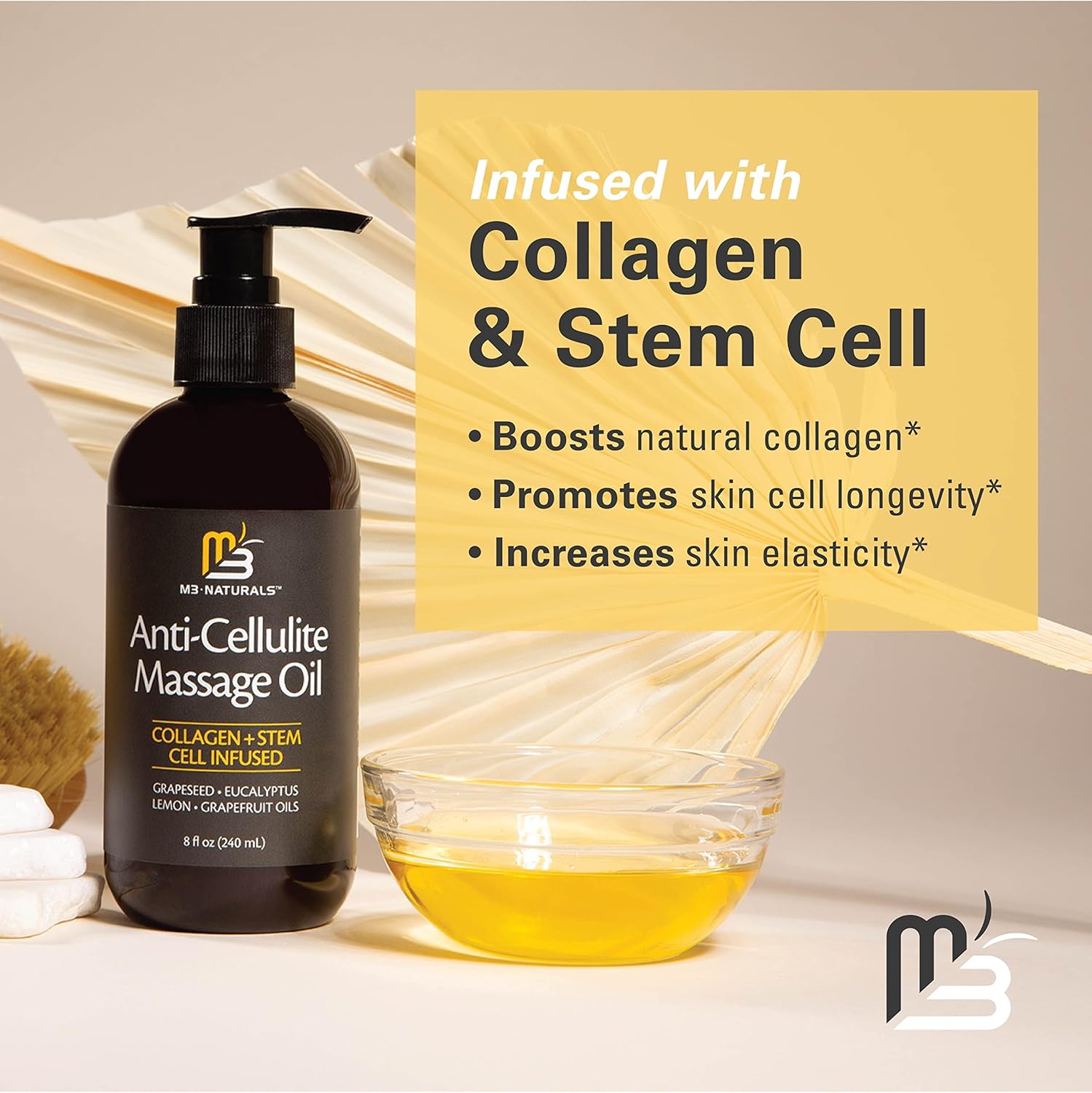
Skin type also matters. Oily or acne-prone skin benefits from lighter, non-comedogenic carriers like grapeseed or jojoba. Dry skin responds better to richer carriers like sweet almond or avocado oil. If you are new to aromatherapy massage, a pre-blended product from a trusted source removes the guesswork around dilution ratios and oil compatibility. M3naturals offers a lavender relaxing massage oil that combines lavender essential oil with a skin-nourishing carrier base, ready to use without additional preparation.
Budget also plays a role. Single-note oils like lavender and peppermint are widely available at accessible price points. Blended formulas from quality brands cost more but deliver consistent dilution and tested combinations. For a spa-quality wellness experience at home, pre-blended massage oils from reputable brands are the most practical choice.
Key takeaways
Aromatherapy massage oils produce their strongest benefits when high-quality essential oils are correctly diluted in appropriate carrier oils and applied with consistent massage technique.
| Point | Details |
|---|---|
| Dual-pathway delivery | Combined inhalation and topical application outperforms either method used alone. |
| Evidence-backed benefits | Meta-analysis data confirms reductions in anxiety, pain, fatigue, and blood pressure. |
| Oil selection matters | Lavender suits relaxation and sleep; ginger and peppermint target muscle and circulation. |
| Safety is non-negotiable | Dilute to 1 to 2%, patch test, and avoid photosensitive oils before sun exposure. |
| Carrier oil choice affects results | Heavier carriers slow absorption; lighter carriers speed penetration into tissue. |
What I’ve learned from years of working with aromatherapy massage
The biggest mistake people make with aromatherapy massage oils is treating the essential oil as the whole story. The carrier oil, the massage technique, the duration, and even the room temperature all shape the outcome. I have seen people use high-quality lavender oil and still report no relaxation benefit, simply because they applied it cold, in a rush, without any real massage pressure. The oil cannot do its job if the delivery is wrong.
The second thing I would push back on is the idea that more oil means more benefit. It does not. Higher concentrations increase the risk of sensitization without proportionally increasing therapeutic effect. Starting at 1% dilution and working up based on your own response is not timid. It is smart practice backed by the same logic that guides pharmaceutical dosing.
I also think the wellness community underestimates how much individual variation matters here. Ylang ylang relaxes most people but triggers headaches in a meaningful minority. Peppermint energizes some and overstimulates others. The research averages are useful for choosing a starting point, but your personal response is the data that actually matters. Keep notes on what you use, how much, and how you feel afterward. That record becomes more valuable than any general recommendation over time.
Aromatherapy massage is not a cure. It is a practice. The people who get the most from it treat it that way.
— SuperNatural
Upgrade your wellness routine with M3naturals massage oils
M3naturals has built its product line around the principle that natural ingredients and professional-grade formulations should not be mutually exclusive.

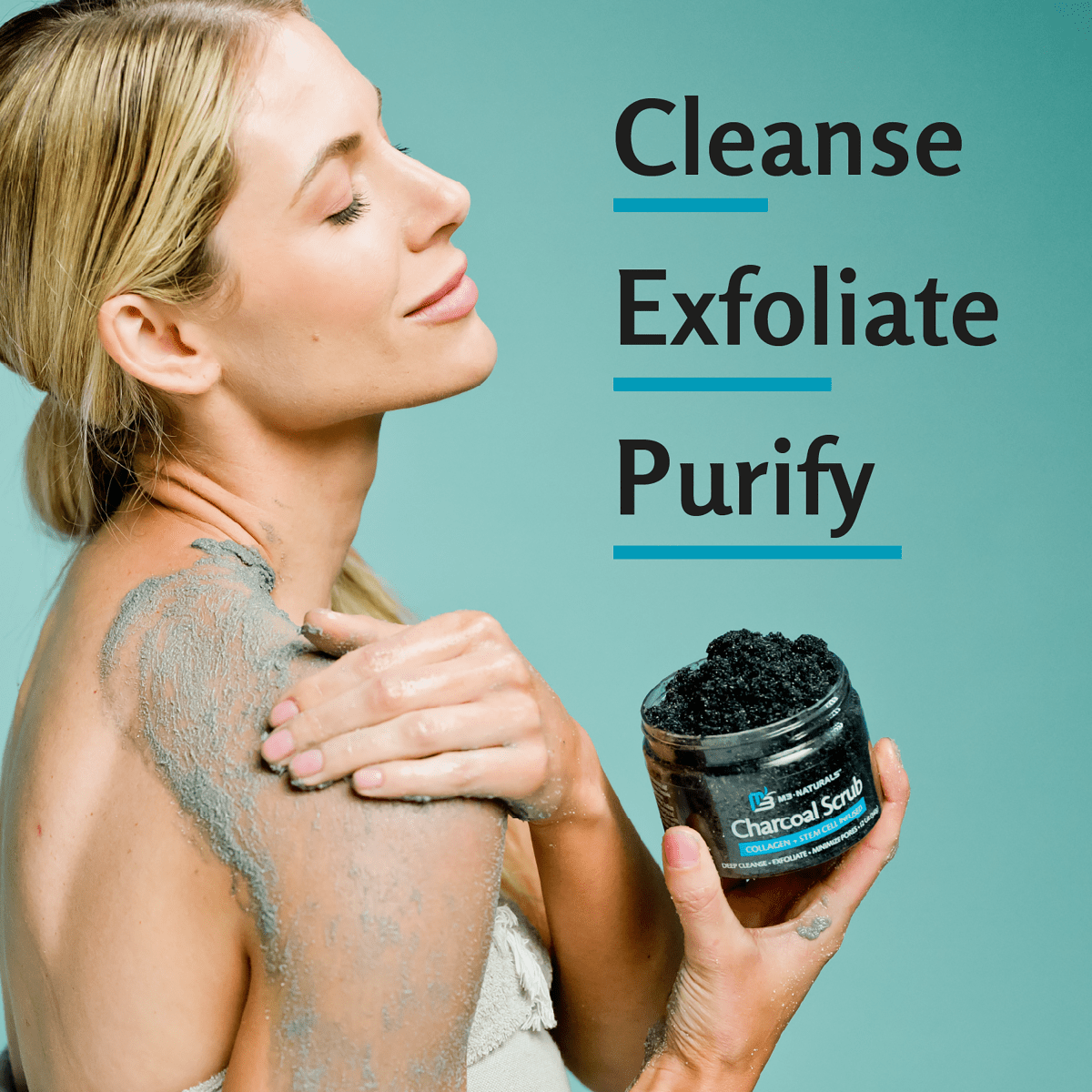
The M3naturals massage oils collection includes lavender blends and multi-botanical formulas crafted from ethically sourced ingredients like coconut oil, lavender, and other botanical extracts. Every product is formulated with safe dilution ratios so you can apply with confidence, whether you are winding down after a long day or targeting specific muscle tension. Pair a massage oil session with one of the M3naturals body scrubs to exfoliate before application and maximize skin absorption. Your wellness routine deserves ingredients that actually work.
FAQ
What are the main benefits of aromatherapy massage oils?
Aromatherapy massage oils reduce anxiety, relieve pain, lower fatigue, and improve sleep quality through combined inhalation and topical absorption during massage. A meta-analysis of 33 studies confirmed significant effect sizes across all four outcomes.
Which essential oil is best for relaxation massage?
Lavender is the most evidence-backed essential oil for relaxation and sleep improvement, with studies showing reduced preoperative anxiety and better sleep quality when used in massage. Ylang ylang is a strong secondary option for mood and blood pressure support.
How do you safely dilute essential oils for massage?
The standard safe dilution for adults is 2% essential oil in a carrier oil, roughly 12 drops per ounce. The American College of Healthcare Sciences recommends patch testing before full application and starting at 1% for sensitive skin.
Can aromatherapy massage oils help with sleep?
Yes. Aromatherapy ranked at 76.2% effectiveness for improving sleep quality among non-pharmacological interventions in ICU patients, and lavender massage specifically shows benefits for preoperative sleep disruption.
Are there essential oils to avoid before going outside?
Citrus oils including bergamot, lemon, and lime are photosensitive and can cause burns or skin discoloration when applied to skin before UV exposure. Avoid using them in leave-on massage blends if outdoor activity is planned within 12 to 18 hours.