
Herb-infused skincare is not just about smelling like a garden. What is herb-infused skincare, really? It is a method of capturing the active biochemical compounds from medicinal plants and delivering them directly to your skin through oils, balms, serums, or hydrosols. Far beyond fragrance, these products contain real phytochemicals that interact with your skin at a cellular level. Consumer demand for plant-based formulas is climbing steadily as people react to synthetic additives and search for options that feel both effective and trustworthy.
Table of Contents
- Key takeaways
- What herb-infused skincare products are and how they are made
- Science-backed benefits of key herbs for skin health
- Choosing and using herb-infused products for your skin type
- DIY herb-infused oil making: step-by-step guide
- My honest take on herb-infused skincare after years of paying attention
- Discover herb-infused body care from M3naturals
- FAQ
Key takeaways
| Point | Details |
|---|---|
| Infusion goes beyond scent | Herb-infused products deliver active phytochemicals that affect skin biology, not just aroma. |
| Whole-plant synergy matters | Full-spectrum botanical extracts outperform isolated actives by combining antioxidants with moisturizing compounds. |
| Match herbs to your skin type | Choosing the right herb for your specific skin concern makes the difference between results and irritation. |
| Patch test every new product | Even natural plant compounds can trigger reactions, so testing before full use protects your skin. |
| Quality sourcing changes potency | Herbs grown in biologically rich soil produce significantly higher concentrations of active compounds. |
What herb-infused skincare products are and how they are made
At its core, herb-infused skincare starts with a process called maceration. You submerge dried plant material in a carrier oil, such as jojoba, sweet almond, or sunflower oil, and allow the fat-soluble compounds to transfer from the plant into the oil over days or weeks. The result is a carrier oil that now contains the therapeutic constituents of that herb, ready to be absorbed into your skin.
It helps to understand the four main types of botanical preparations:
- Infused oils are made by soaking dried herbs in carrier oil, either cold over several weeks or gently warmed to speed extraction. These are the most common base for herbal face and body products.
- Tinctures use alcohol as the solvent instead of oil, pulling a broader spectrum of water-soluble compounds. They appear in toners and some serums.
- Hydrosols are the aromatic water byproduct of steam distillation. Rose water and chamomile mist are common examples, offering lighter, water-soluble phytochemicals.
- CO2 and solvent extracts use pressurized carbon dioxide or other solvents to pull highly concentrated active fractions. You will find these in premium serums.
Extraction method directly affects potency, stability, and even how a product feels on skin. A cold-infused calendula oil will behave very differently from a CO2 extract of the same flower, even though both come from the same plant.
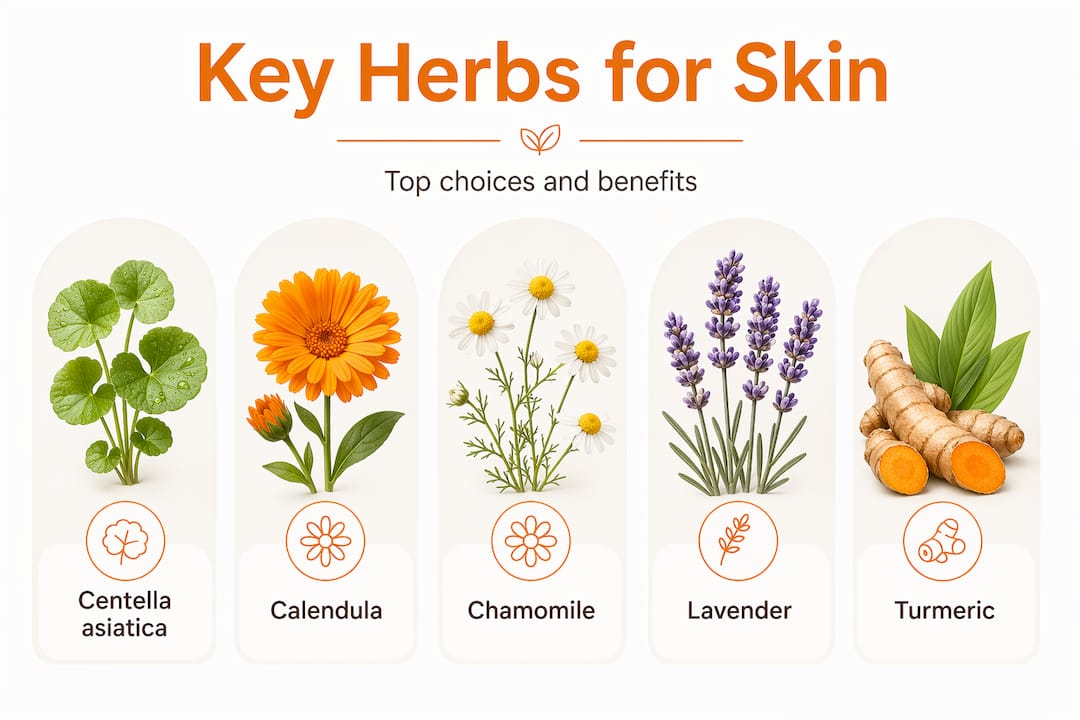
Choosing herbs matters as much as choosing the method. Popular options include calendula for wound healing, lavender for acne and oil control, chamomile for redness, and turmeric for brightening. The carrier oil you choose also contributes. Jojoba closely mimics the skin’s natural sebum, making it ideal for oily or acne-prone skin. Rosehip oil is rich in fatty acids suited for mature or dry skin.
One critical safety note: always use dried herbs, not fresh ones. Fresh plant material contains moisture that promotes mold and bacterial growth inside your infusion. And no matter how natural the ingredients, patch testing is non-negotiable before applying any new herbal product to your face or body.
Pro Tip: When buying artisan or commercial herb-infused products, look for the herb listed by its Latin name on the label (e.g., Calendula officinalis) rather than just a common name. This confirms that a specific, identifiable plant was used rather than a generic “botanical blend.”
Science-backed benefits of key herbs for skin health
This is where herb-infused skincare separates itself from wellness marketing. Real clinical research supports what herbalists have known for centuries, and the mechanisms are specific enough to guide your product choices.
Here is a comparison of the most researched herbs and what they actually do:
| Herb | Key active compounds | Primary skin benefit | Best for |
|---|---|---|---|
| Centella asiatica | Asiaticoside, madecassoside | Collagen stimulation, wrinkle reduction | Aging, scarring |
| Calendula | Flavonoids, triterpene saponins | Wound healing, fibroblast activity | Dry, damaged skin |
| Chamomile | Apigenin, alpha-bisabolol | Anti-inflammatory, redness reduction | Sensitive, reactive skin |
| Green tea | EGCG, polyphenols | Antioxidant protection, UV defense | All skin types |
| Turmeric | Curcumin | Anti-pigmentation, anti-inflammatory | Oily, hyperpigmented skin |
| Lavender | Linalool, linalyl acetate | Antimicrobial, sebum regulation | Acne-prone skin |
Starting with Centella asiatica: a randomized, double-blind trial found that oral Centella asiatica extract delivered an 11.1% reduction in wrinkle depth and a 13.9% decrease in total wrinkle volume over 12 weeks in 112 participants. Topical formulas containing its extracts show similarly meaningful results for collagen repair and skin barrier strengthening.
Chamomile earns its reputation through two specific compounds. Apigenin and alpha-bisabolol interrupt the inflammatory cascade by inhibiting enzymes that break down hyaluronic acid, which means chamomile-infused products can help your skin hold onto its own moisture while calming redness simultaneously.
Turmeric’s active compound, curcumin, inhibits NF-kB (a key inflammation trigger), suppresses the enzyme tyrosinase responsible for dark spots, and acts as a direct antioxidant. However, curcumin requires lipid carriers for meaningful skin absorption, which is exactly why oil-based infusions are the superior delivery format for this herb.
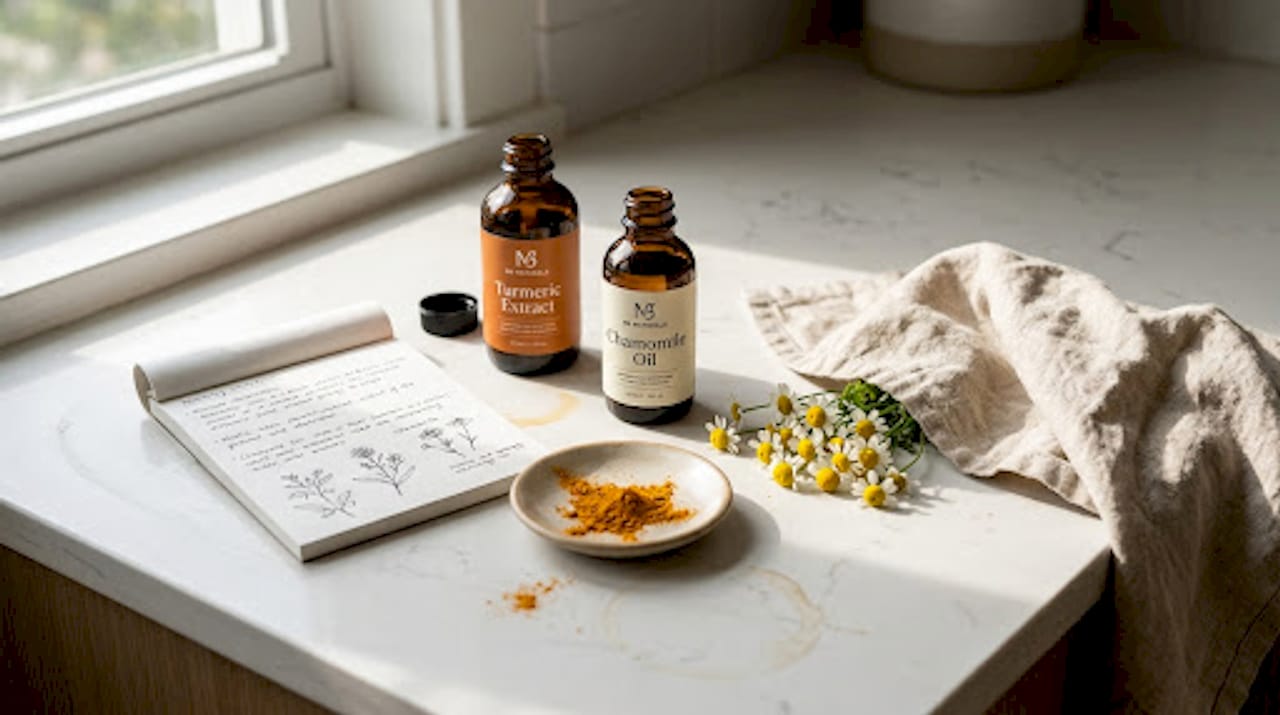
One of the most compelling arguments for choosing whole-plant formulas over synthetic single-ingredient products comes from calendula research. Calendula’s flavonoids and triterpene saponins work together to stimulate fibroblast proliferation and accelerate wound healing in ways that neither compound achieves alone. Whole-plant synergy consistently outperforms isolated actives because plants package antioxidants alongside moisturizing phytochemicals that buffer and enhance each other’s effects.
Key benefits of herb-infused skincare that research supports include:
- Antioxidant protection from polyphenols in green tea and rosehip that neutralize free radicals before they degrade collagen
- Anti-inflammatory action from chamomile and calendula that reduces chronic low-grade skin inflammation linked to accelerated aging
- Barrier repair from fatty acid-rich infusions in rosehip and sea buckthorn that reinforce the lipid layer between skin cells
- Antimicrobial activity from lavender and tea tree, where linalool and linalyl acetate actively suppress the bacteria responsible for acne
Choosing and using herb-infused products for your skin type
Understanding which herbs work is only half the equation. Matching them to your specific skin type is what makes herb-based skin treatments genuinely useful rather than generic.
For dry skin: look for infusions built on calendula, rosehip, or comfrey in rich carrier oils like avocado or sweet almond. These combinations replenish both lipids and water-binding compounds. Balm and oil formulations outperform serums for dry skin because they seal moisture in.
For oily and acne-prone skin: lavender and green tea are your anchors. Both address sebum regulation and bacterial activity without stripping the skin. Choose lighter carrier oils like jojoba or hemp seed, and favor serum or hydrosol formats that absorb quickly without adding excess oil.
For sensitive and reactive skin: chamomile and calendula at low concentrations in soothing hydrosols work best. Avoid formulas with strong essential oil concentrations, which can be irritating even when derived from plants.
For mature skin: Centella asiatica, rosehip, and sea buckthorn infusions target collagen production and oxidative damage. These herbs pair well with facial oils used as the final step in a nighttime routine, where they have hours to absorb and work.
A few practical layering tips worth noting:
- Apply water-based botanical serums or hydrosols before oils, since oils form a barrier that blocks water-based products applied afterward
- Use facial oils at night rather than morning if you have oily skin, giving the formula time to absorb fully
- Combine topical use with internal consumption where appropriate. Jasmine tea catechins neutralize free radicals both when consumed and applied to skin, illustrating how the most effective approach works from both directions
Pro Tip: When introducing any new herbal product, apply a small amount to the inside of your wrist or behind your ear and wait 24 hours before using it on your face. Even well-formulated, natural products can trigger reactions in reactive skin types.
You can explore M3naturals’ range of natural face care products to find botanically infused options designed for specific skin concerns.
DIY herb-infused oil making: step-by-step guide
Making your own herb-infused oil at home is genuinely satisfying, and it gives you complete control over the ingredients. Here is how to do it correctly using the cold infusion method, which preserves the most delicate plant compounds.
- Start with completely dry herbs. Any moisture in fresh plant material creates conditions for mold and bacterial growth inside your oil. If you harvest fresh herbs, dry them for at least two weeks in a warm, ventilated space before use.
- Choose your carrier oil. Jojoba, sweet almond, and sunflower are all stable, widely available options. Avoid olive oil for facial infusions because its strong smell and heavier texture can overpower delicate botanicals.
- Fill a clean, dry glass jar about halfway with your dried herb. Pour the carrier oil over it, fully submerging the plant material. Leave one inch of headspace at the top.
- Seal the jar and place it in a warm, dark location for four to six weeks. Shake or stir it every two to three days. A sunny windowsill works for some makers, but direct UV light can degrade active compounds.
- Strain through cheesecloth or a fine mesh strainer, pressing the plant material to extract every drop of infused oil. Discard the spent herb.
- Transfer to a dark glass bottle and store away from heat and light. Label with the herb name and the infusion date. Most infused oils stay stable for six to twelve months.
For a faster option, use the warm infusion method: place your sealed jar in a water bath at around 100°F (38°C) for 48 to 72 hours. This speeds extraction but requires careful temperature control to avoid degrading the oil.
Soil quality and growing conditions directly influence how potent your finished infusion will be. Plants grown in biologically active soil produce significantly higher concentrations of flavonoids and polyphenols. If sourcing your own herbs, prioritize organic and regeneratively grown options.
Pro Tip: Add a few drops of vitamin E oil (tocopherol) when bottling your finished infusion. Vitamin E acts as a natural preservative by slowing oxidation, extending the shelf life of your infused oil by several months.
Common pitfalls to watch for: cloudiness in the oil signals moisture contamination and the batch should be discarded; a sharp, sour smell indicates rancidity; and any visible mold growth means the entire infusion must be thrown out. If precision matters to you or you want clinically validated concentrations, professional herbal skincare products are the more reliable choice.
My honest take on herb-infused skincare after years of paying attention
I’ve watched herb-infused skincare go from a niche botanical practice to a category that every major brand wants a piece of. And in that journey, I’ve seen both the genuine power of these formulas and the ways that enthusiasm can outrun reality.
What I keep coming back to is ingredient transparency. The words “herbal” and “botanical” on a label mean nothing without specificity. I want to see the plant name, the extraction method, and the carrier base. Without those details, you are essentially paying for marketing language.
What’s excited me most is the research on whole-plant synergy. I’ve seen users with stubborn redness respond to chamomile and calendula combinations when single-ingredient options failed them. That mirrors what the science says: full-spectrum extracts create a gentler, more balanced effect than isolated actives. It is not magic. It is phytochemistry working as nature packaged it.
The caution I always share: being a plant does not make something automatically safe for your skin. I’ve seen people develop genuine reactions to lavender and chamomile, two of the most widely praised botanicals around. Patch testing is not optional. It is the one habit that separates informed natural skincare users from the ones who get burned by their own enthusiasm.
My other strong conviction is that the inside matters as much as the outside. The combined topical and internal approach to botanical care consistently produces better results than topical application alone. Drinking green tea while using a green tea infused oil is not redundant. It is layered protection that works at different biological levels.
And finally: for those who want to explore artisan herbal products, look for makers who cite their sources and growing practices. Herb potency tied to soil biology means that the best herbal formulas in the world start with the best-grown plants. That traceability is worth asking for.
— SuperNatural
Discover herb-infused body care from M3naturals
If this article gave you a real understanding of what herb-infused skincare does, M3naturals was built with exactly that philosophy in mind: natural ingredients with clear purposes, not ingredient lists designed to impress.
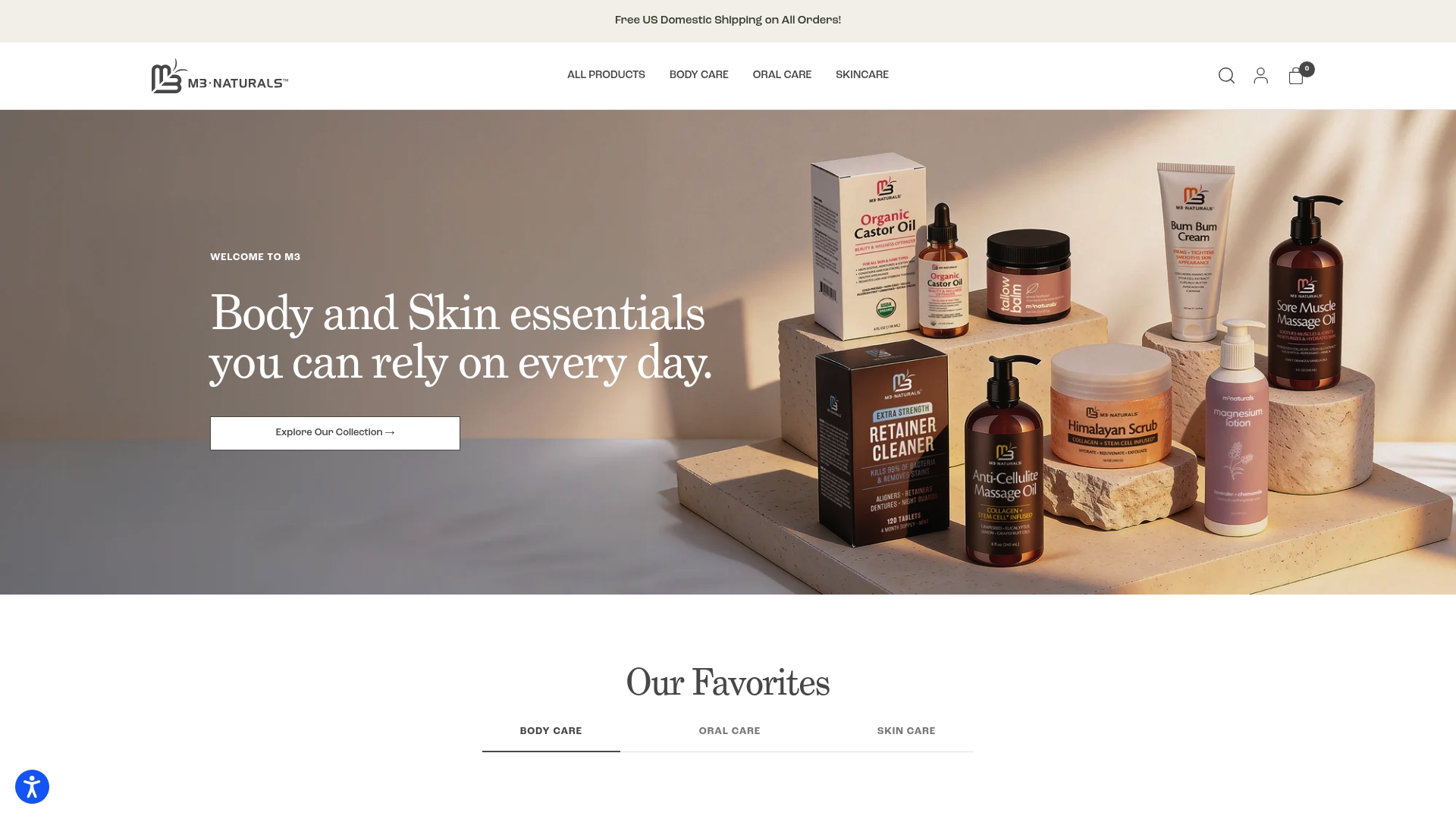
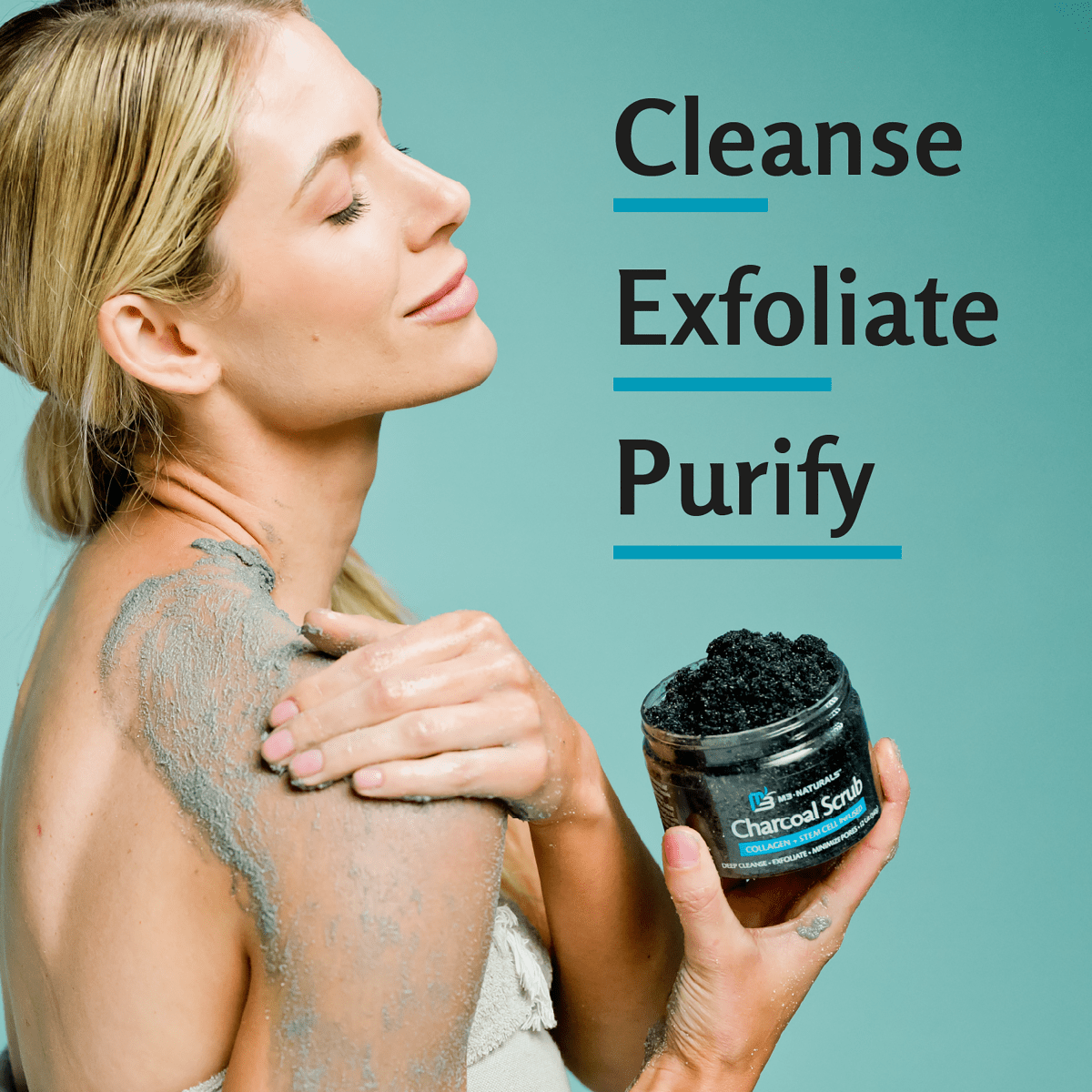
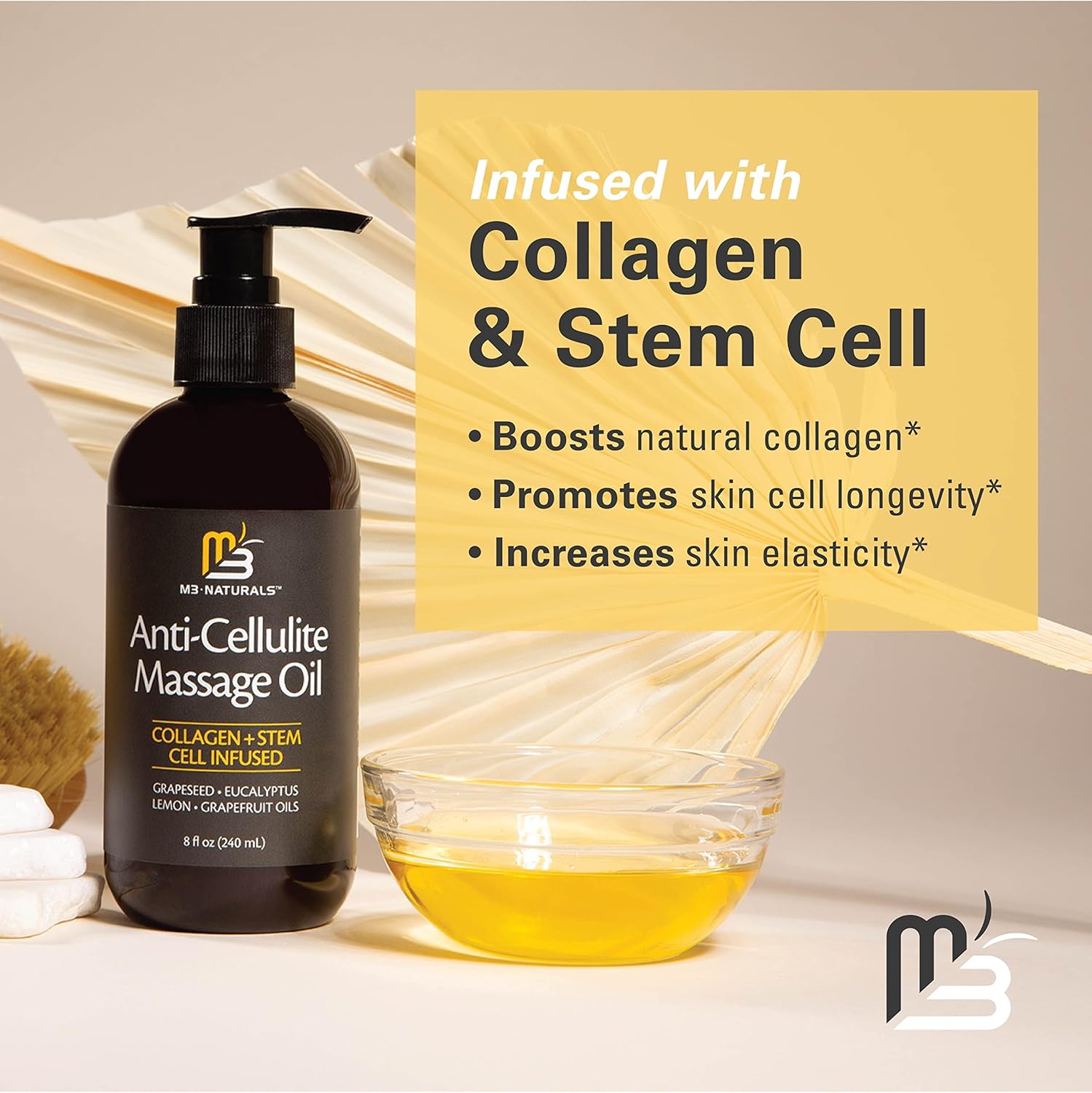
M3naturals’ botanical body scrubs combine exfoliation with herbal and natural actives like charcoal, coconut oil, and turmeric, giving your skin the dual benefit of physical renewal and biochemical nourishment in a single step. Turmeric addresses hyperpigmentation and inflammation while the scrub itself removes the dead cell buildup that prevents active ingredients from reaching living skin. Their herb-based massage oils bring the same philosophy to full-body care, using lavender and botanical extracts in carrier oil bases that absorb cleanly and support skin barrier health with regular use. These are not scented oils with a wellness label. They are formulated with the same active botanical logic this article covers.
For those building a complete routine, the full body care collection offers a range of complementary products designed to work together, from exfoliation through to moisture sealing. When you know what herb-infused skincare actually does, choosing products that deliver on that promise becomes straightforward.
FAQ
What does herb-infused skincare actually mean?
Herb-infused skincare refers to products where plant material has been macerated or extracted into a carrier medium, transferring active phytochemicals like antioxidants, anti-inflammatories, and antimicrobials into a form your skin can absorb. It is distinct from products that simply use synthetic fragrance to smell herbal.
Is herb-infused skincare effective for real skin concerns?
Yes, when formulated correctly. Clinical research shows measurable results, including an 11.1% reduction in wrinkle depth from Centella asiatica and documented anti-inflammatory activity from chamomile and calendula compounds. Efficacy depends on the herb used, the extraction method, and the concentration in the final product.
Can natural herbal products cause skin reactions?
They can. Natural does not mean non-allergenic, and plant compounds like linalool in lavender or apigenin in chamomile are known contact sensitizers for some people. Always patch test a new herbal product before applying it to your face.
What are the best herbs for skin health?
The most research-supported herbs for skin health include Centella asiatica for collagen repair, calendula for wound healing and barrier support, chamomile for anti-inflammatory action, lavender for acne and sebum control, and green tea for antioxidant protection. The best choice depends on your specific skin concern.
How do I make herb-infused oils at home?
Use dried herbs submerged in a carrier oil like jojoba or sweet almond, sealed in a glass jar, stored in a warm dark place for four to six weeks, then strained. Always use fully dried plant material to prevent mold, add vitamin E oil as a natural preservative, and store the finished oil in a dark glass bottle away from heat.