
Clean beauty is one of the most talked-about terms in skincare right now, yet most people can’t define it precisely. Walk down any beauty aisle or scroll through any product page, and “clean” appears everywhere. The problem? No government agency has legally defined what it means. That gap between marketing and reality is exactly what this guide addresses. You’ll learn the real clean beauty definition, what ingredients to watch for, why it matters for your health and the planet, and how to shop without getting misled by labels that sound good but mean very little.
Table of Contents
- Key takeaways
- What clean beauty actually means
- Why clean beauty matters for your health and the planet
- Misconceptions and real challenges
- How to choose clean beauty products wisely
- My take on where clean beauty is headed
- Clean beauty you can trust from M3naturals
- FAQ
Key takeaways
| Point | Details |
|---|---|
| No legal definition exists | “Clean beauty” has no government standard, so brands define it themselves. |
| Ingredient avoidance is the foundation | Clean formulas skip parabens, phthalates, sulfates, synthetic fragrances, and formaldehyde. |
| Clean does not mean natural | Some natural ingredients irritate skin; some synthetic ones are perfectly safe. |
| Hidden chemicals are a real risk | PFAS have been found in products marketed as “clean,” making third-party verification critical. |
| Certifications matter more than claims | Look for EWG Verified, MADE SAFE, or the Allure Clean Standard to cut through the noise. |
What clean beauty actually means
At its core, the clean beauty definition centers on one idea: formulating products with ingredients considered safe for human health, without hiding what’s inside. Clean beauty brands commit to avoiding compounds linked to hormone disruption, skin sensitization, or long-term toxic buildup, while being fully transparent about everything on the label.
The most commonly avoided ingredients in clean beauty include:
- Parabens (methylparaben, propylparaben): synthetic preservatives linked to endocrine disruption
- Phthalates: plasticizers often hidden inside “fragrance” on ingredient labels
- Sulfates (SLS, SLES): harsh surfactants that strip the skin’s natural barrier
- Formaldehyde and formaldehyde releasers: preservatives classified as known carcinogens
- Synthetic fragrances: catch-all terms that can mask hundreds of unlisted chemical compounds
- Cyclic silicones and microbeads: ingredients with documented environmental harm
One of the most overlooked principles is ingredient transparency, which means fully disclosing fragrance and flavor components rather than hiding them behind vague terms. A product could contain dozens of undisclosed chemicals under the single word “fragrance.” Clean brands break that out. That disclosure alone separates genuinely clean formulas from marketing spin.
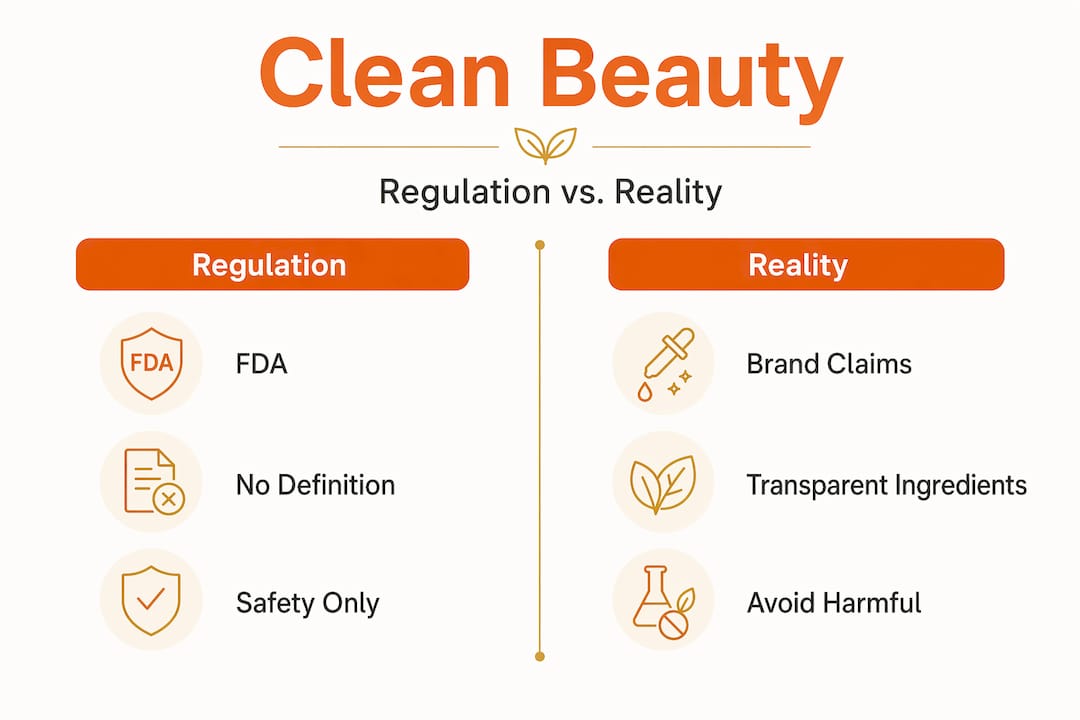
There is no federal law in the United States that defines “clean beauty.” The FDA regulates cosmetic safety but does not require pre-market approval or mandate specific ingredient disclosures for fragrances. That’s why third-party organizations stepped in. The Allure Clean Standard excludes 14 ingredient classes harmful or irritating to skin, including parabens, phthalates, sulfates, formaldehyde, cyclic silicones, microbeads, and chemical UV filters, giving consumers a credible benchmark developed with dermatologists and toxicologists. EWG Verified and MADE SAFE offer similar frameworks with their own rigorous ingredient screening processes.
Pro Tip: Before buying any product marketed as “clean,” search the brand’s name plus “full ingredient list” and run key ingredients through the EWG Skin Deep database. Two minutes of research can save you from a lot of unknowns.
Why clean beauty matters for your health and the planet
The case for clean beauty goes well beyond personal preference. Your skin is the body’s largest organ, and it absorbs a portion of what you apply to it. Reducing daily exposure to potentially harmful chemicals, even in small amounts, is a reasonable and well-supported health choice.
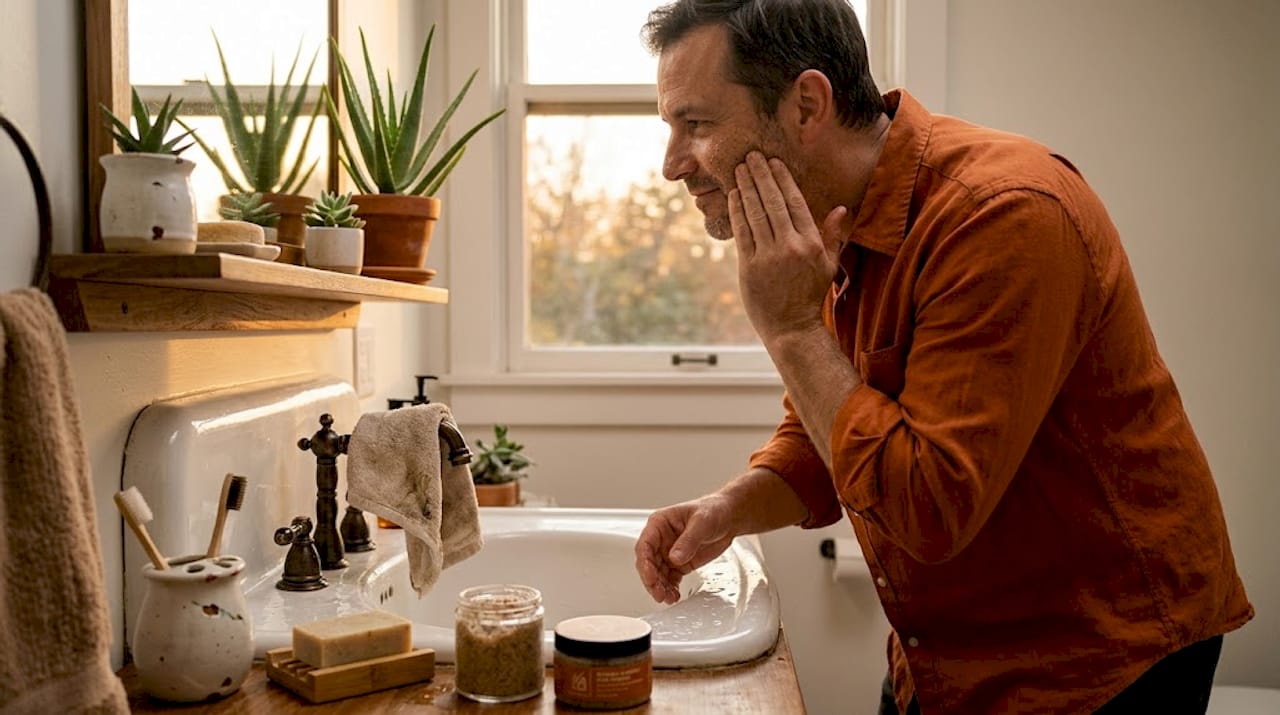
Avoiding known irritants and allergens directly supports skin health. Sulfates, synthetic fragrances, and formaldehyde releasers are among the most common triggers for contact dermatitis and chronic skin sensitivity. For people with eczema, rosacea, or reactive skin, switching to cleaner formulations often brings noticeable relief without requiring a dermatologist visit.
The environmental case is equally strong. Many conventional beauty ingredients are not biodegradable, accumulate in waterways, or require extractive and polluting manufacturing processes. Consumer demand for sustainability is reshaping the industry, pushing brands toward plant-based ingredients, responsible sourcing, and reduced plastic packaging.
The numbers back this shift. The global clean beauty market is projected to reach $14.38 billion by 2030, growing at a compound annual growth rate of 12.4%. That kind of trajectory signals more than a trend. It reflects a sustained and growing consumer conviction that what goes on your body matters as much as what goes in it.
The broader benefits of choosing clean beauty products include:
- Reduced chemical burden: fewer potentially harmful compounds absorbed daily through skin
- Better tolerance for sensitive skin: without common allergens and harsh surfactants
- Ethical alignment: supporting brands with transparent supply chains and responsible sourcing
- Environmental footprint: choosing biodegradable and sustainably packaged products reduces downstream harm
Misconceptions and real challenges
Here is where clean beauty gets complicated. Because the term has no standardized legal definition, it becomes a playground for greenwashing. Any brand can print “clean” on a label without meeting a single independent standard. That is not a flaw in the consumer. It is a structural gap in how cosmetics are regulated in the United States.
The distinction between clean, natural, organic, vegan, and cruelty-free is a persistent source of confusion. Here is a breakdown:
| Term | What it actually means | What it does NOT guarantee |
|---|---|---|
| Clean | Avoids specific harmful or toxic ingredients | That it is natural or organic |
| Natural | Derived from natural sources | That it is safe or non-irritating |
| Organic | Certified organic ingredient sourcing | That all ingredients are clean or safe |
| Vegan | Contains no animal-derived ingredients | That it is safe, clean, or sustainable |
| Cruelty-free | Not tested on animals | That it is non-toxic or eco-friendly |
As one complete clean beauty guide makes clear, clean is not synonymous with natural or organic. Poison ivy is natural. Some synthetic ingredients are among the safest and most effective compounds available. Conflating these terms leads to poor purchasing decisions in both directions.
The most alarming data point in the clean beauty space involves PFAS. A study found 51 types of PFAS in 1,744 cosmetic formulations labeled as “clean” or “natural,” particularly in eyeshadows and foundations. PFAS are a class of synthetic chemicals linked to hormonal disruption, immune effects, and certain cancers. Finding them in products marketed as clean is a direct result of having no accountability standard.
The lack of a regulatory definition allows brands to market products as “clean” despite containing controversial ingredients, which is why consumer vigilance matters more than brand trust alone.
Pro Tip: If a product’s front label says “clean” but the ingredient list includes “fragrance,” “parfum,” or any of the parabens, set it back on the shelf. Front claims and ingredient reality often do not match.
How to choose clean beauty products wisely
Buying clean beauty confidently is a skill you build quickly once you know what to look for. These steps will help you move past marketing and focus on what actually matters.
-
Flip the bottle and read the ingredient list. The front of the package is marketing. The back is information. Learn the names of the most common problematic ingredients and scan for them before purchasing.
-
Look for recognized certifications. EWG Verified, MADE SAFE, and the Allure Clean Standard all require brands to meet specific ingredient criteria. Products carrying these marks have been independently screened, not just self-declared as “clean.” Using third-party certifications is the most reliable shortcut available to consumers.
-
Research the brand’s transparency practices. Clean beauty brands worth trusting publish their full ingredient lists online, explain why they exclude certain compounds, and disclose their sourcing practices. If a brand’s website is vague about formulation, that vagueness is meaningful.
-
Consider your own skin needs. A product that is technically “clean” by every certification can still irritate your specific skin if you are sensitive to a particular plant extract or botanical. Clean beauty is not one-size-fits-all. Know your triggers.
-
Patch test new products. Introduce one new product at a time, applying a small amount to your inner arm or jawline for 48 hours before full use. This is especially useful when switching to new formulations, even clean ones.
-
Use digital tools. Apps like Think Dirty and the EWG Skin Deep database let you scan or search products and get ingredient safety scores in seconds. These tools put dermatologist-level ingredient knowledge in your pocket.
Pro Tip: The best clean beauty brands formulate intentionally, choosing effective lower-risk ingredients rather than simply removing bad ones. Performance and safety are not opposites. Look for brands that can explain why each ingredient is there.
My take on where clean beauty is headed
I’ve followed the clean beauty movement long enough to watch it evolve from a niche wellness concept into a mainstream market force, and what I’ve learned is this: the movement is genuinely meaningful, but “clean” as a standalone marketing term is almost meaningless without accountability behind it.
What I find most encouraging is that third-party standards are maturing. When the clean beauty space resembled the Wild West just a few years ago, a lack of regulation made it easy for any brand to claim the territory. Now, credible frameworks from organizations with scientific advisory boards are raising the floor. That is real progress.
What still concerns me is how much of the conversation is driven by fear rather than understanding. Saying an ingredient is “toxic” without context misleads people into avoiding safe compounds while missing genuinely harmful ones. The consumer who reads ingredient labels, uses reliable databases, and understands the difference between clean, natural, and organic will consistently make better choices than one who simply trusts a label. Educating yourself is not optional in this space. It is the point. I’m optimistic that as regulations tighten and consumer knowledge grows, “clean beauty” will one day mean something specific, verifiable, and consistent. We are not there yet, but the direction is right.
— M3
Clean beauty you can trust from M3naturals
If you have made it this far, you already know that clean beauty requires more than a label. It requires proof. That is exactly the standard M3naturals holds itself to across every product category.
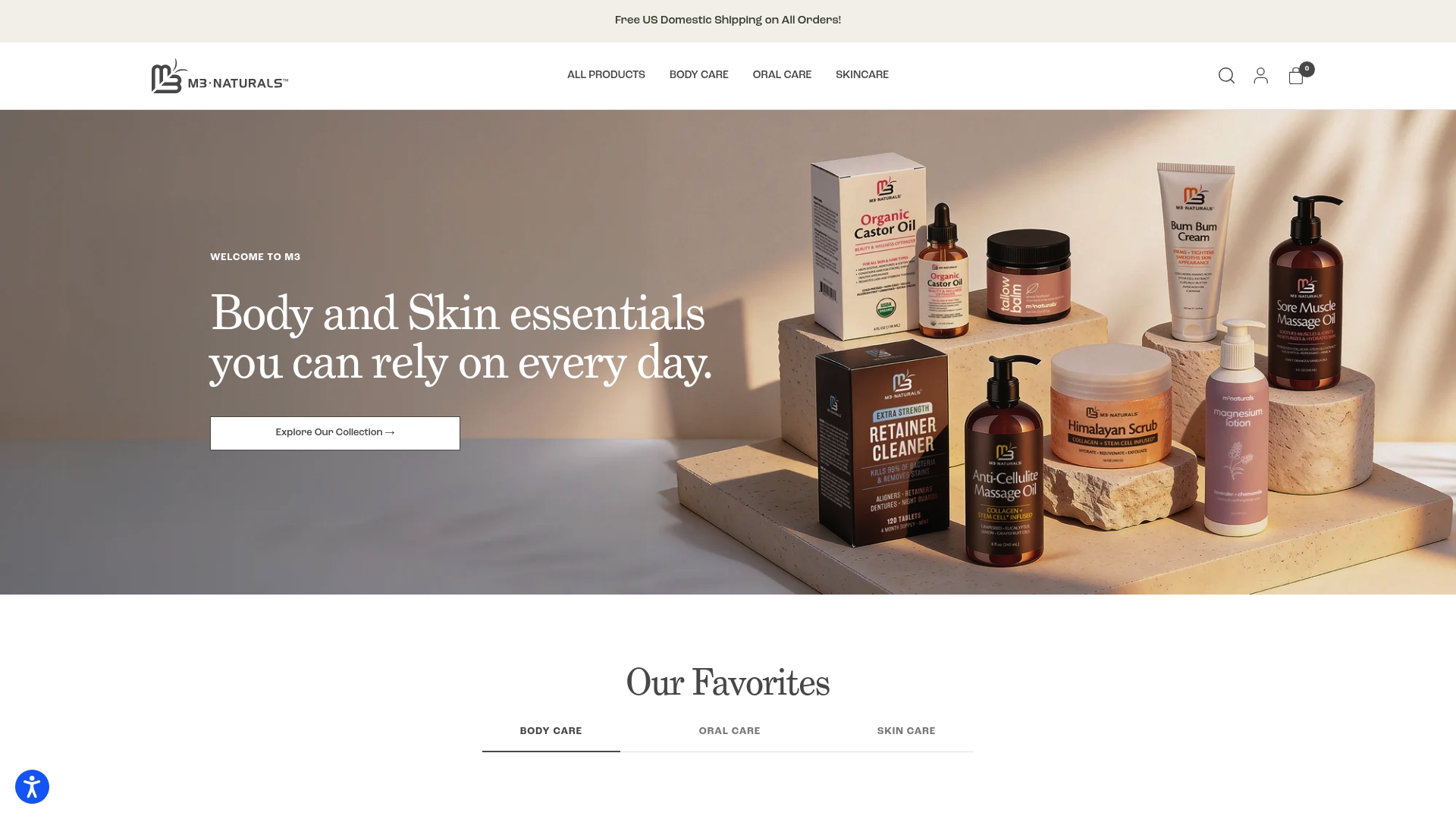
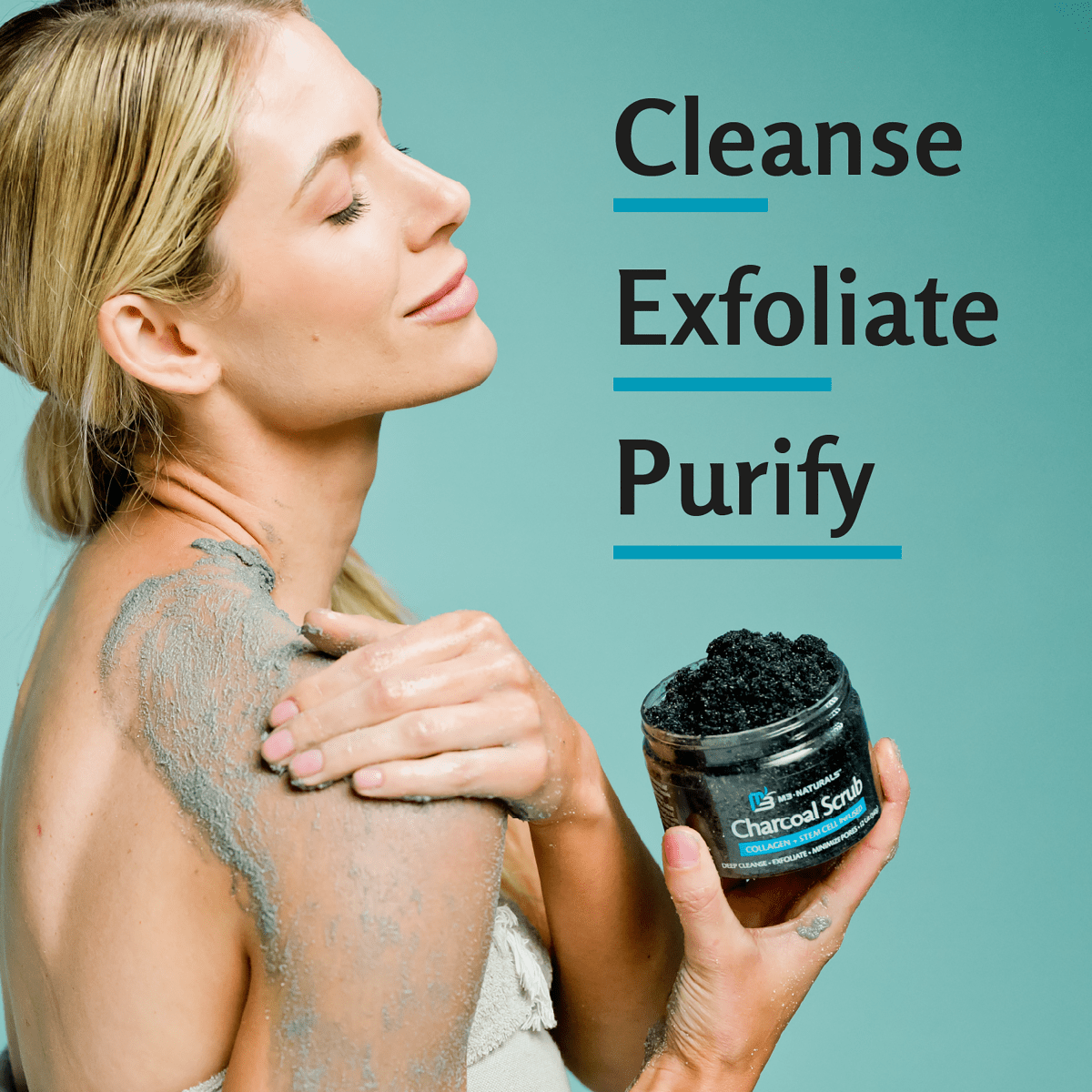
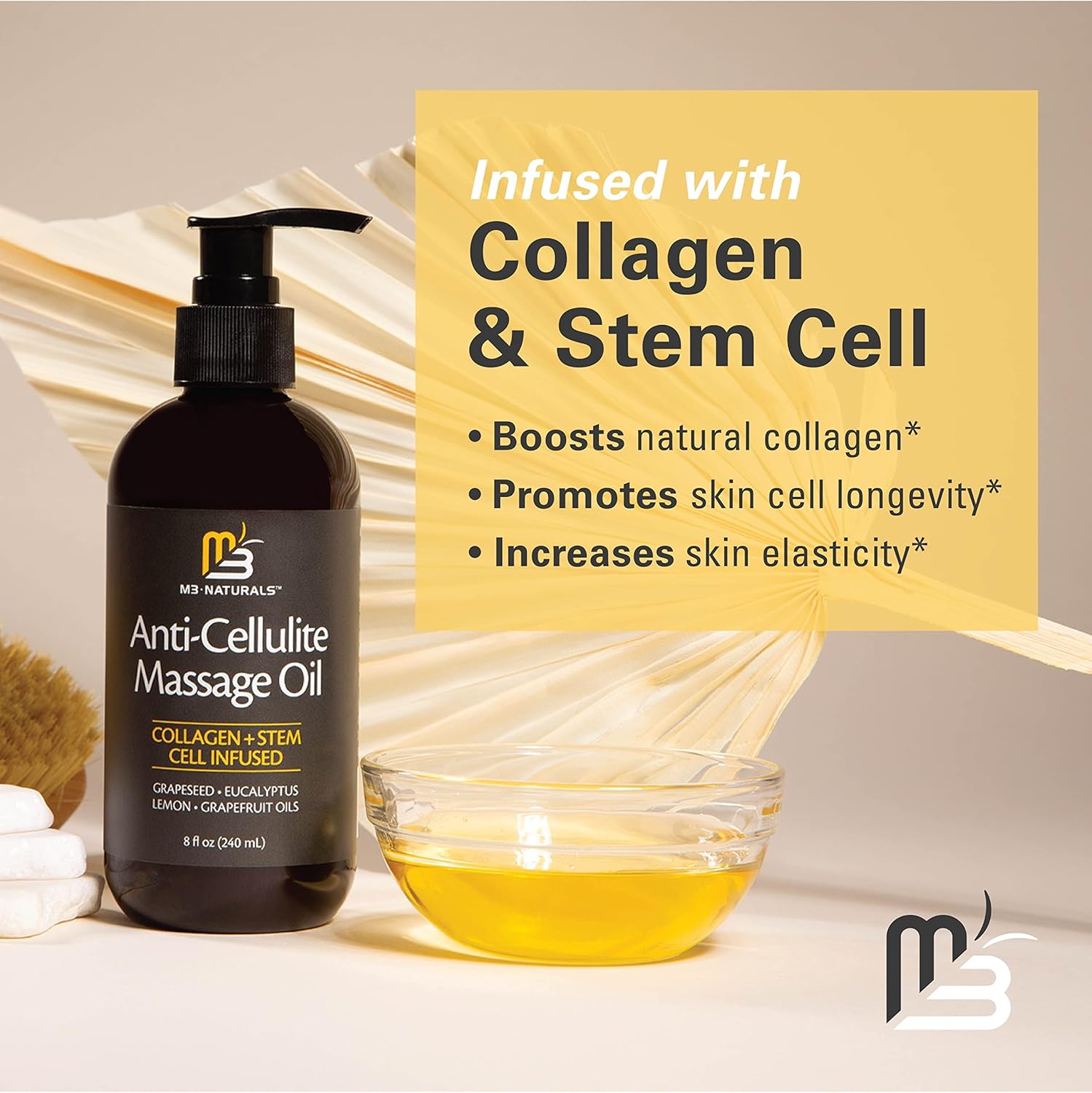
M3naturals formulates its body scrubs with ethically sourced botanicals like activated charcoal, coconut oil, turmeric, and lavender, without parabens, harsh sulfates, or synthetic fillers. The same philosophy carries through to the massage oils collection, where plant-based carrier oils and skin-nourishing extracts replace the synthetic compounds found in conventional products. If you are building a clean skincare routine from the ground up, the full skincare range offers transparent formulations designed to perform. Every product is built around the principle that safe and effective are not competing goals. Browse the collections and find what works for your skin, with full confidence in what is inside.
FAQ
What is the clean beauty definition?
Clean beauty refers to products formulated without ingredients considered harmful or toxic to human health, with full transparency about what is inside. There is no universal legal definition, so consumers should look for third-party certifications like EWG Verified or the Allure Clean Standard to verify claims.
Is clean beauty the same as natural beauty?
No. Clean beauty and natural beauty are distinct concepts. Natural ingredients can irritate or harm skin, and some synthetic ingredients are safe and effective. Clean beauty focuses on ingredient safety and transparency, not whether the source is natural or synthetic.
What ingredients does clean beauty avoid?
Clean beauty typically avoids parabens, phthalates, sulfates, formaldehyde, synthetic fragrances, cyclic silicones, and microbeads, among others. The Allure Clean Standard excludes 14 ingredient classes specifically flagged for being harmful or irritating to skin.
How can I tell if a product is truly clean?
Look past the front label and read the full ingredient list. Check the product against the EWG Skin Deep database and look for certifications from MADE SAFE, EWG Verified, or the Allure Clean Standard. Self-declared “clean” claims with no third-party backing require skepticism.
Are clean beauty products as effective as conventional ones?
Yes, when formulated well. The best clean beauty brands choose effective, lower-risk ingredients intentionally rather than simply removing problematic ones. Removing a harmful ingredient does not mean sacrificing performance when the replacement is chosen thoughtfully.