
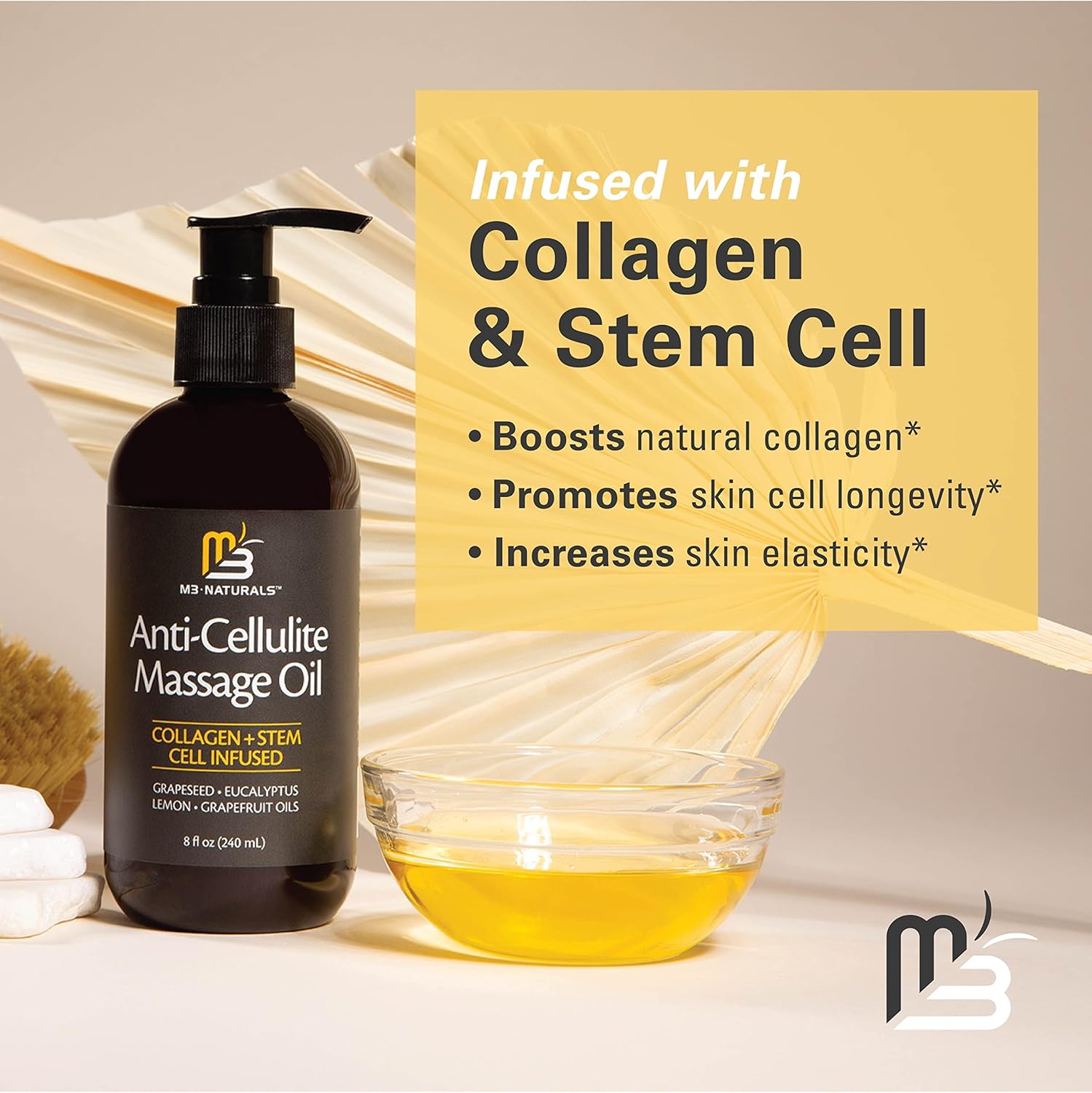

The market for professional skincare tools for home use has exploded, and with it comes a wall of options that can feel genuinely overwhelming. Microcurrent wands, LED masks, microneedling rollers, IPL devices — they all promise dramatic results, and plenty of them actually deliver. The challenge isn’t finding tools. It’s knowing which ones are worth your money, fit your routine, and match your skin’s specific needs. This guide cuts through the noise with a clear criteria framework, a curated list of 10 standout at-home skin devices, and a comparison table to help you decide fast and decide well.
Table of Contents
- Key takeaways
- What to look for in professional skincare tools for home
- The 10 best professional skincare tools for home
- Side-by-side comparison of top at-home devices
- Choosing the right tool for your skin concern and lifestyle
- My honest take after years with these tools
- Complete your at-home routine with M3naturals
- FAQ
Key takeaways
| Point | Details |
|---|---|
| Criteria before purchase | Evaluate effectiveness, ease of use, safety features, and maintenance before buying any at-home device. |
| Consistency beats intensity | Routine compliance determines results more than a device’s feature count or price tag. |
| Tools enhance, don’t replace | Skincare devices work best when paired with quality serums, moisturizers, and cleansers rather than used alone. |
| Match tool to skin concern | Choose devices based on your primary concern — acne, aging, dullness, or hair removal — for the fastest payoff. |
| Start slow, build up | Begin with low intensity settings and patch test to avoid irritation, especially on sensitive skin. |
What to look for in professional skincare tools for home
Before you buy anything, get clear on what actually separates a useful device from an expensive dust collector. The best skincare tools for home share a handful of traits that have nothing to do with packaging or influencer endorsements.
Effectiveness backed by data. Any device worth the investment should have clinical studies or at minimum credible user data behind it. Look for specific claims: percentage improvements, week-based timelines, and clear before/after protocols. Vague promises like “glowing skin” without context are a red flag.
Ease of use and routine fit. Dermatologists consistently note that simplicity is the number one driver of compliance. A device you use three times a week beats a sophisticated one you abandon after two sessions. Think about where it slots into your existing routine and how long each session takes.
Safety features and skin type compatibility. Not every device suits every skin tone or condition. IPL devices, for example, require specific Fitzpatrick scale ranges to work safely. Microdermabrasion and high-intensity LED can cause irritation without patch testing, particularly on sensitive or compromised skin.
Here are the core factors to check before committing to any device:
- Clinical or user data: Documented results with timelines, not just marketing language
- Skin type compatibility: Clear guidance on which skin tones and conditions the device suits
- Session time: How long each treatment takes and how often you need to repeat it
- Maintenance requirements: Consumable attachments, cleaning protocols, and replacement costs
- Gel or serum requirements: Some older models need proprietary conductive gels; newer ones like the Medicube Age-R Booster Pro skip that step, which genuinely simplifies the process
- Device longevity: Expected lifespan, warranty coverage, and whether parts are available
Pro Tip: Always check whether a device requires consumables — replacement heads, gel cartridges, or flash lamps — before purchasing. These add-on costs can double the total investment over a year.
The 10 best professional skincare tools for home
1. Microcurrent facial device
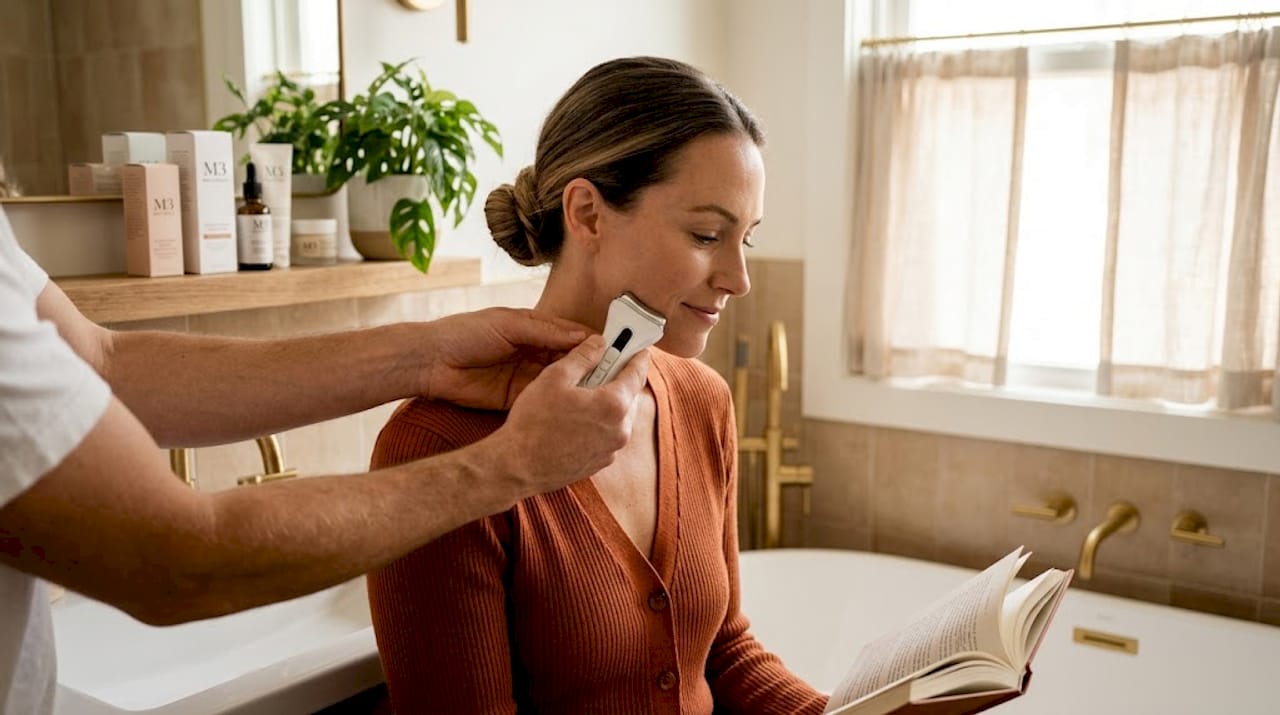
Microcurrent technology sends low-level electrical currents through facial muscles, stimulating tone and firmness over time. 90% of users report firmer skin after consistent 12-week use with daily application. The FOREO LUNA 3 Plus is a strong example, combining microcurrent with sonic cleansing in one device. Best for: aging, loss of facial contour. Use it for 2 minutes daily on cleansed skin.
2. LED light therapy mask
LED masks use specific wavelengths of light to trigger cellular repair. Red light targets collagen production. Blue light kills acne-causing bacteria. Devices like the Shark CryoGlow provide clinical support for reducing fine lines and acne with consistent daily sessions. Most masks require 10 to 20 minutes per session, three to five times weekly. LED is one of the safest facial tools for home because it produces no heat and suits most skin types.
3. Microneedling tool
At-home microneedling uses small needles to create micro-channels in the skin, triggering collagen without clinical-grade depth. Manufacturer guidelines recommend use three to four times weekly for 60 seconds per area, with attachment replacement every two to three months. Pair this immediately after with a hydrating serum and the absorption rate increases noticeably. Avoid on active breakouts or irritated skin.
Pro Tip: Apply a hyaluronic acid serum within 60 seconds of your microneedling session. The micro-channels close quickly, so timing your serum application is where most people leave results on the table.
4. IPL hair removal device
IPL (intense pulsed light) targets the pigment in hair follicles to reduce growth over time. Visible hair reduction appears as soon as four weeks in with proper usage, with devices capable of delivering up to 26J of cumulative energy for efficiency. The Ulike Sapphire Air 10 is a top pick in this category for its cooling technology, which makes treatment far more comfortable than older IPL models. Note: IPL works best on light to medium skin tones with dark hair.
5. Ultrasonic skin scrubber
This skin treatment gadget uses ultrasonic vibrations to dislodge debris from pores and push active ingredients deeper into the skin. It works on damp skin, making it easy to add to a shower or post-cleanse routine. Great for congested, oily, or dull skin. Use two to three times weekly for best results, and pair with a gentle exfoliating toner beforehand.
6. Radio frequency (RF) device
RF devices use heat energy to stimulate collagen deep in the dermis, targeting sagging and texture. At-home versions deliver lower temperatures than clinical machines but produce measurable tightening with consistent weekly use over eight to twelve weeks. These devices require conductive gel and slow, circular passes across the face and neck. Best suited for mature skin or anyone seeing early jowling.
7. Gua sha tool (with technique)
Gua sha is one of the oldest facial tools for home, but its results depend almost entirely on technique. Used correctly with a quality facial oil and deliberate upward strokes, it promotes lymphatic drainage, reduces puffiness, and softens tension-related fine lines. Jade and rose quartz are the most popular materials. Use three to five times weekly for two to five minutes per session. This is the best entry point for anyone new to at-home skin devices, with zero technology to learn.
8. Facial cleansing brush
Electric cleansing brushes remove significantly more makeup, oil, and surface buildup than manual washing. The key differentiator between models is the bristle type: softer silicone heads suit sensitive skin while nylon bristle versions provide deeper physical exfoliation for oily types. Use once daily in the evening and replace brush heads every four to eight weeks. This is one of the most underrated best skincare tools for the price.
9. Electroporation multi-mode device
Electroporation creates temporary channels in the skin barrier to push serums and active ingredients deeper than topical application alone allows. The Medicube Age-R Booster Pro incorporates multiple modes including microcurrent and EMS for firming alongside electroporation, making it one of the most versatile single devices available. It doesn’t require proprietary gels, which keeps the routine clean. Best for: anyone looking to maximize the performance of their existing serums and moisturizers.
10. Anti-cellulite massage roller
Body-focused professional skincare equipment extends beyond the face. An anti-cellulite massage roller designed for lymphatic drainage improves circulation, reduces water retention, and firms skin texture over the thighs, stomach, and arms. Use with a massage oil two to three times weekly in upward strokes toward the lymph nodes. This is the most accessible entry point for whole-body skincare — no charging, no attachments, no learning curve.
Side-by-side comparison of top at-home devices
| Device | Technology | Skin concern | Session time | Maintenance | Price range |
|---|---|---|---|---|---|
| Microcurrent device | Electrical current | Aging, contour loss | 2 min daily | Low, clean after use | $150–$400 |
| LED mask | Light therapy | Acne, fine lines | 10–20 min, 3–5x/week | Very low | $200–$600 |
| Microneedling tool | Micro-channels | Texture, collagen loss | 60 sec per area, 3–4x/week | Replace heads every 2–3 months | $100–$300 |
| IPL device | Intense pulsed light | Hair removal | 15–30 min, weekly | Replace flash lamp | $200–$500 |
| Ultrasonic scrubber | Ultrasonic vibration | Congestion, dullness | 5–10 min, 2–3x/week | Wipe clean | $50–$150 |
| RF device | Radiofrequency heat | Sagging, texture | 20–30 min, weekly | Requires gel | $200–$500 |
| Gua sha | Manual technique | Puffiness, tension | 2–5 min, 3–5x/week | Rinse and dry | $15–$60 |
| Cleansing brush | Sonic or physical | Congestion, oil | 1 min daily | Replace heads monthly | $30–$200 |
| Electroporation device | Multi-mode EMS | Absorption, firming | 5–10 min, daily | Low, no gels needed | $150–$350 |
| Massage roller | Manual lymphatic | Cellulite, circulation | 5–10 min, 2–3x/week | Rinse and dry | $20–$60 |
Choosing the right tool for your skin concern and lifestyle
With a full list in front of you, the smartest move is narrowing down by what your skin actually needs, not what looks most impressive.
For acne-prone skin: Start with the LED mask (blue light mode) and a sonic cleansing brush. These two together address bacteria and surface congestion without aggravating active breakouts. Avoid microneedling on inflamed or active acne.
For aging and loss of firmness: The microcurrent device and RF tool are your highest-impact choices. Pair them with a collagen-boosting serum applied immediately before each session for maximum absorption. Skincare tools boost product absorption significantly, making your existing serums work harder.
For dullness and uneven texture: Rotate between the microneedling tool and ultrasonic scrubber. The scrubber handles surface buildup, while microneedling triggers deeper renewal. Never use both in the same session.
For sensitive skin: Start with gua sha and a silicone cleansing brush. Both deliver results without heat or intensity. When you are ready to add technology, begin with low settings and test on a small area before full-face use.
Here is how to approach budget and routine complexity:
- Budget picks (under $75): Gua sha tool, silicone cleansing brush, massage roller
- Mid-range investment ($100–$250): Microneedling tool, ultrasonic scrubber, electroporation device
- Premium devices ($250+): LED mask, microcurrent wand, RF device, IPL hair removal
- Minimalist routine: Pick one device and commit to it for 12 weeks before adding a second
- Skincare enthusiast routine: Layer tools strategically — cleanse first, treat next, finish with absorption-enhancing technology
Pro Tip: When starting a new device regimen, log your skin’s response in your phone notes after each session. After four weeks, you will have real data on what is working rather than relying on memory or mood.
My honest take after years with these tools
I’ve tried more skincare devices than I can reasonably count, and the pattern I see most often is this: people buy the most advanced tool, use it intensely for two weeks, then stop because it doesn’t fit their life. The device that changed my skin the most was not the most expensive one. It was the one I actually used every night without thinking about it.
What I’ve learned is that compliance is the highest predictor of real results. A gua sha tool used five times a week beats a $500 RF device used twice a month. That sounds obvious until you’re standing in a checkout flow for a device with 14 modes and a dedicated app. More features rarely means better results. It usually means a steeper learning curve and faster abandonment.
The other thing I’d push back on is the idea that devices alone transform skin. In my experience, the biggest jumps in skin quality came when I paired a good device with better products. A microneedling session followed by a quality hyaluronic serum and a nourishing moisturizer outperforms the same session with a basic drugstore product every single time. The tool opens the door. What you apply afterward walks through it.
Start with one tool. Use it consistently for 12 weeks. Add a second only once the first is genuinely habitual. That is the unglamorous reality of how at-home professional skincare equipment actually works.
— M3
Complete your at-home routine with M3naturals
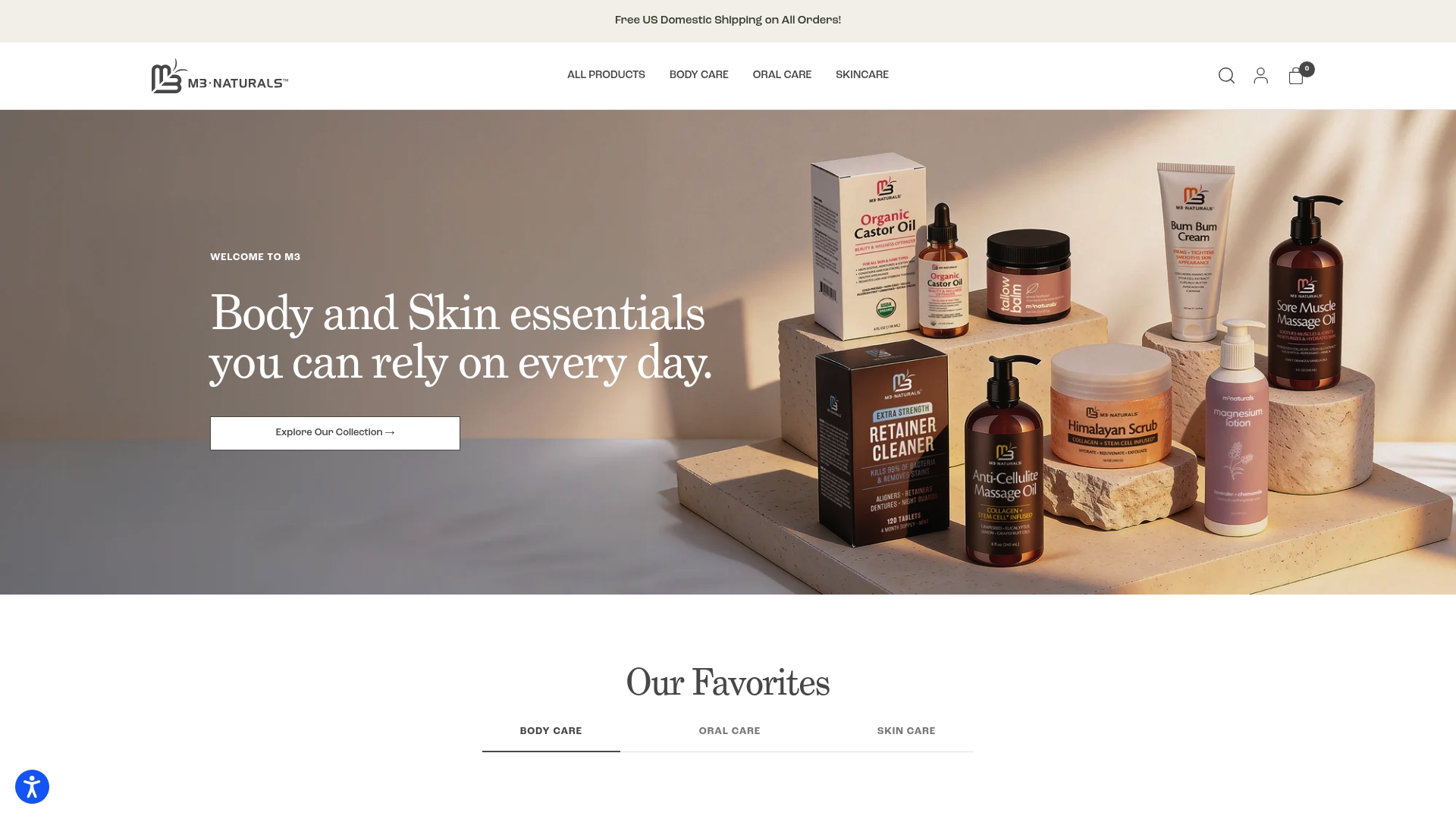
The tools do the technical work, but what you apply before and after each session determines how far your results go. M3naturals has a full range of natural, spa-quality products designed to work alongside professional skincare tools for home. Their body scrubs use botanicals like charcoal, coconut oil, and turmeric to prep skin before device treatments, clearing the surface so your tools make real contact. Their massage oils pair directly with the anti-cellulite roller for lymphatic drainage sessions that actually feel like self-care. And for daily face prep, browse the full face care collection to find natural moisturizers and treatments that complement whatever device you are using.
FAQ
What are professional skincare tools for home?
Professional skincare tools for home are consumer-grade versions of clinical devices used in dermatology offices, including microcurrent wands, LED masks, microneedling rollers, and IPL devices. They deliver measurable results when used consistently according to manufacturer guidelines.
How often should you use at-home skin devices?
Frequency depends on the device. Microcurrent and LED tools typically require daily sessions, while microneedling and RF devices need three to four times weekly. Always follow the specific protocol for your device to avoid overuse and irritation.
Can skincare tools replace professional treatments?
At-home devices deliver real improvements but work at lower intensities than clinical machines. They are most effective as maintenance tools between professional appointments, not replacements for them.
Which at-home skin device works best for acne?
LED masks with blue light therapy are the most targeted option for acne-prone skin, as they address bacteria at the skin’s surface. A sonic cleansing brush used daily also reduces the buildup that contributes to breakouts.
Are professional skincare tools safe for sensitive skin?
Yes, when used correctly. Start with the lowest intensity setting, always patch test, and choose non-heat-based tools like gua sha or silicone cleansing brushes as your starting point. Avoid microdermabrasion and high-intensity LED without a dermatologist consultation first.