

If you’ve ever spent real money on a cellulite cream that promised visible results in two weeks, only to feel let down, you’re not alone. The common mistakes in cellulite treatment are so widespread that they’ve built an entire industry around false hope. No permanent cure exists for cellulite, yet the market is flooded with products claiming otherwise. This article cuts through that noise, explains why so many popular approaches fall short, and shows you how to build a smarter, more realistic routine rooted in natural care.
Table of Contents
- Why understanding cellulite is crucial to avoiding mistakes
- Top 5 common mistakes in cellulite treatment
- How to set realistic expectations for cellulite treatment
- The role of lifestyle in minimizing cellulite appearance
- In-office vs. at-home treatments: what really works?
- Why chasing quick fixes causes more harm than good
- Explore natural support with M3 Naturals cellulite care products
- Frequently asked questions
Key Takeaways
| Point | Details |
|---|---|
| No permanent fix | Cellulite cannot be permanently removed, but treatments can temporarily improve its appearance. |
| Know the structure | Cellulite involves fibrous bands under the skin, which creams and mechanical tools cannot permanently change. |
| Avoid quick fixes | Crash diets and at-home gadgets often worsen cellulite or provide only short-lived results. |
| Lifestyle matters | Balanced nutrition, hydration, regular exercise, and avoiding tight clothes support better skin and circulation. |
| Professional treatments help | Medical procedures offer progressive improvements but require multiple sessions and realistic expectations. |
Why understanding cellulite is crucial to avoiding mistakes
Most people treat cellulite the same way they treat a dry patch of skin: slap on a product and wait for results. That approach completely misses the point. Cellulite is not a surface-level issue. It forms because fibrous bands pulling the skin and the fat compartments they anchor create that characteristic dimpled texture. Those bands sit deep beneath the dermis, where no cream, serum, or casual dry brushing session can reach them.
This is why the most common cellulite treatment errors begin with a misunderstanding of anatomy. When you know what you’re actually dealing with, it becomes immediately obvious why a $30 firming lotion won’t restructure connective tissue. The same logic applies to rollers, cupping devices, and vibrating massagers used without a plan.
What actually works starts with knowing what’s driving your specific case. Effective management requires clinical evaluation to tailor treatments based on whether the root cause is fat accumulation, poor circulation, or skin laxity. Your cellulite may look similar to your friend’s, but the underlying cause can be entirely different, and that matters for choosing the right approach.
- Cellulite involves structural changes beneath the skin, not just surface texture
- Fat compartments, fluid retention, and connective tissue all play different roles
- Treating symptoms without addressing the cause leads to short-lived, disappointing results
Pro Tip: Before investing in any new product or device, ask yourself whether it can physically reach the layer of tissue causing the problem. If the answer is no, adjust your expectations accordingly.
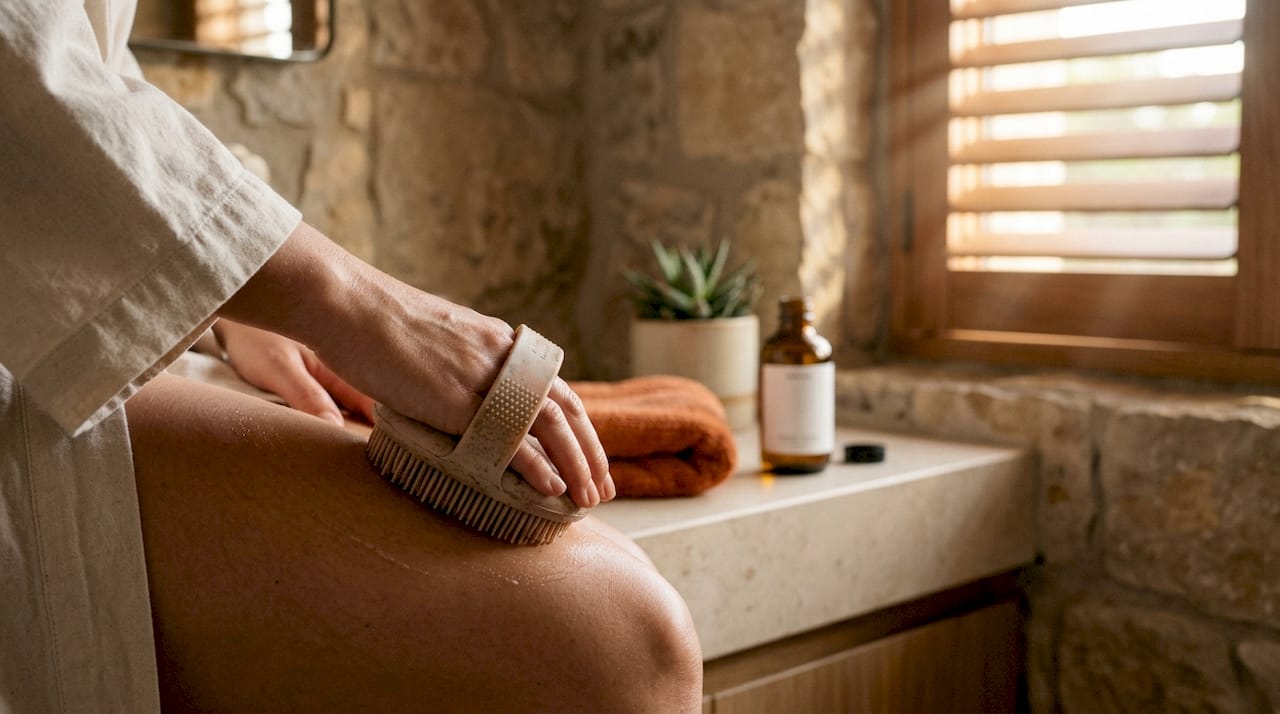
A great daily habit to add without overthinking it: use a silicone cellulite body brush during your shower to stimulate circulation in the skin’s surface layers. It won’t fix the structural cause, but it supports skin health and lymphatic flow when used consistently.
Now that you understand what cellulite is and why it’s hard to treat, let’s explore the most common treatment mistakes to avoid.
Top 5 common mistakes in cellulite treatment
Understanding cellulite’s nature helps us identify why these common mistakes do more harm than good.
-
Expecting topical creams to permanently remove cellulite. Creams can temporarily plump the skin’s surface, which softens the look of dimples for a few hours. That’s not nothing, but it’s also not a solution. The structural connective tissue causing cellulite sits well below what any topical formula can reach.
-
Relying on at-home tools for lasting effects. Dry brushing, cupping, and vibrating massagers all have genuine short-term benefits for circulation and lymph drainage. But at-home mechanical treatments have no scientific evidence for permanent reduction, and using them too aggressively can cause bruising, broken capillaries, or skin irritation.
-
Crash dieting to lose cellulite fast. This is one of the most damaging mistakes in cellulite reduction. Rapid calorie restriction spikes cortisol, your body’s primary stress hormone. Elevated cortisol promotes fluid retention and inflammation, two things that make cellulite look significantly worse. Panic dieting and sedentary habits together create a feedback loop that worsens the very problem you’re trying to fix.
-
Staying sedentary. Sitting for long periods, crossing your legs habitually, and wearing tight waistbands all restrict blood flow and lymphatic circulation. Poor circulation means your tissue holds onto fluid longer, which exaggerates the appearance of dimpling.
-
Overusing mechanical devices improperly. More is not better here. Using a cupping device or aggressive roller every day without rest can inflame the skin and trigger the very fluid retention you’re trying to reduce.
“The biggest cellulite treatment pitfalls aren’t about the wrong product. They’re about the wrong expectations and the wrong consistency. Doing the right thing badly is still doing it wrong.”
Pro Tip: If you want to incorporate a massage tool into your routine, try the anti-cellulite oil massager kit for a gentler, more controlled experience. Using oil underneath the tool protects the skin and makes the massage more effective.
A cellulite body brush used in slow, deliberate strokes toward the heart activates lymph drainage without stressing the skin. Technique matters more than pressure.
How to set realistic expectations for cellulite treatment
With realistic expectations, you can focus on effective strategies rather than chasing false promises.
One of the most persistent cellulite myths is that you can make it disappear permanently. Even clinical procedures can’t claim that. No permanent cure exists; professional treatments offer temporary, progressive improvement that requires maintenance. That’s not a reason to give up. It’s a reason to build a routine you can actually sustain.
“Patients often expect topical products to be corrective rather than supportive, which leads to disappointment.” Shifting that framing, from corrective to supportive, changes everything.
Here’s what you can realistically expect from different approaches:
- Topical products: Improved skin texture, temporary plumping, and better hydration. An anti-cellulite body scrub removes dead skin cells and preps the skin to absorb oils and actives more effectively.
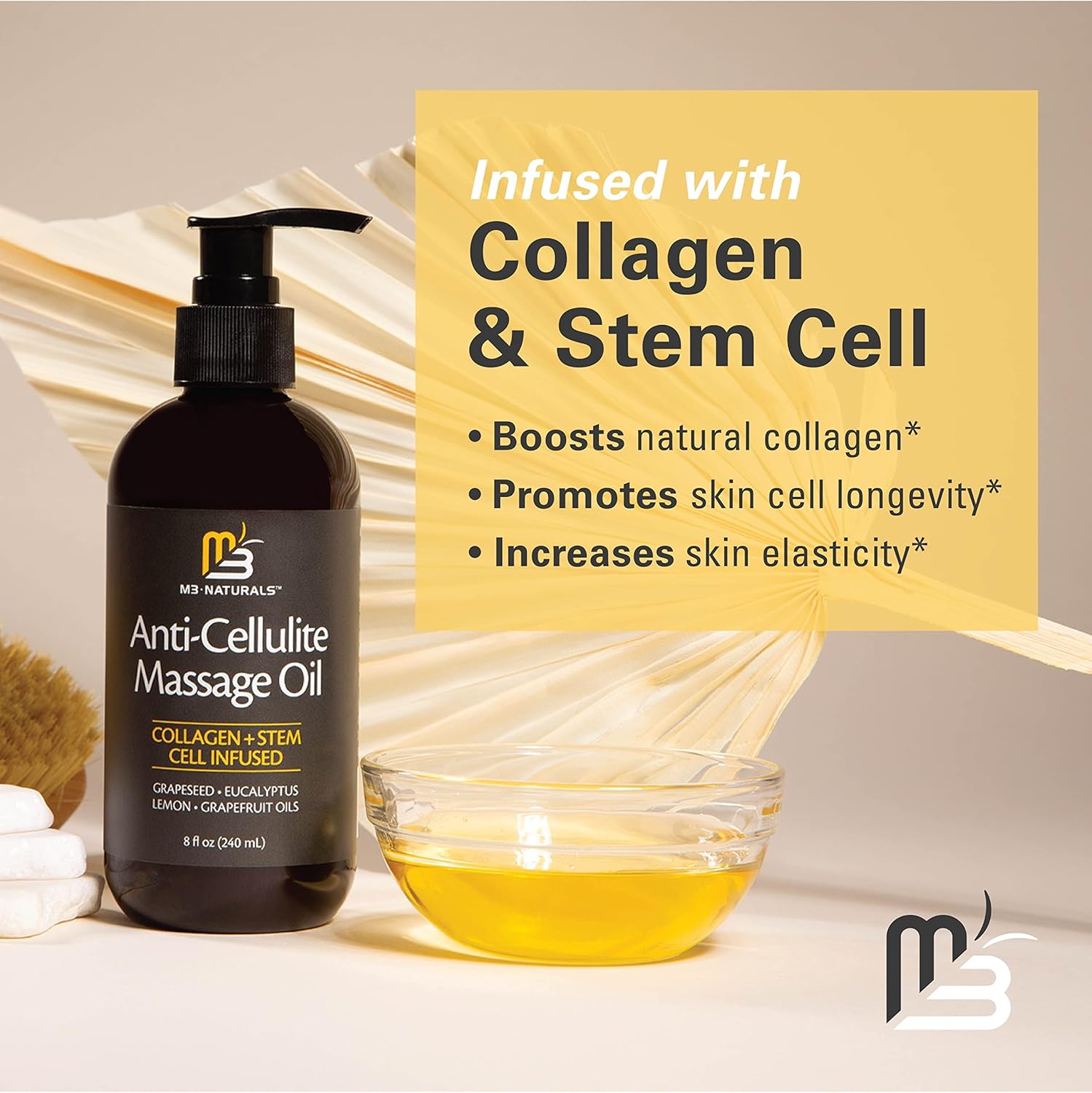
- Massage oils: Improved circulation at the surface level and a more supple skin texture over time. An anti-cellulite massage oil used consistently helps support the skin’s appearance and feels genuinely nourishing.
- Professional treatments: More significant visible reduction, but only with multiple sessions and consistent follow-up. Results fade without maintenance.
- Lifestyle changes: The only thing that produces lasting improvement in how cellulite looks over time. Not because it removes the structural cause, but because it reduces inflammation, fluid retention, and skin laxity.
The most important effective cellulite treatment tip here is this: stop measuring progress week by week. Cellulite appearance is sensitive to hydration, hormones, and stress. Give any approach at least 8 to 12 weeks before making judgments.
The role of lifestyle in minimizing cellulite appearance
Lifestyle changes complement treatments and enhance long-term results naturally.
This is the section that most cellulite advice glosses over, or handles so briefly it’s useless. But lifestyle is genuinely the most powerful lever you have. A balanced diet, hydration, and regular movement are foundational for effective cellulite management, not optional add-ons to a product routine.
Here’s what that actually looks like in practice:
- Ditch crash diets permanently. Aggressive dieting increases cortisol and fluid retention. Instead, focus on anti-inflammatory foods like leafy greens, berries, and fatty fish that support skin quality from the inside out.
- Add resistance training two to three times per week. Building muscle beneath the skin creates a firmer foundation. This physically reduces the visual contrast between fat pockets and the skin above them. Cardio alone won’t accomplish this.
- Drink enough water. Dehydrated skin looks thinner and more crepey, which makes cellulite more visible. Staying well-hydrated also supports lymphatic drainage, which reduces the fluid buildup that worsens dimpling.
- Move throughout the day, not just during workouts. Short walks, stretching, and avoiding prolonged sitting all keep blood circulating and prevent the fluid pooling that makes cellulite worse by evening.
- Wear comfortable, non-restrictive clothing. Tight waistbands and compression around the thighs restrict lymphatic flow. This is a small change with a measurable effect over time.
Pro Tip: Pair your body scrub routine with five minutes of gentle self-massage using your body scrubs before showering. The exfoliation plus circulation boost is a powerful combination for skin texture.
The key insight most people miss: lifestyle doesn’t just support your cellulite treatment, it determines whether any treatment actually shows results. Two people using the same professional procedure can get dramatically different outcomes based purely on what they do at home.
In-office vs. at-home treatments: what really works?
Let’s summarize key differences to help you choose what suits your needs best.
Professional treatments like subcision, radiofrequency, and acoustic wave therapy have genuine evidence behind them for temporary improvement. They work by physically disrupting fibrous bands, stimulating collagen production, or using energy to remodel tissue below the skin surface. None of them are permanent, but they produce more significant visible change than anything you can replicate at home.
At-home options like rollers, silicone brushes, and cupping devices do have value, but their value is specific. They temporarily smooth skin texture, support lymph drainage, and improve product absorption. They don’t reach deep enough to alter the structural cause. At-home methods often provide short-lived smoothing and can cause skin damage if improperly used.
- Professional treatments require a licensed provider, multiple sessions, and ongoing maintenance visits
- At-home tools work best as daily or weekly maintenance, not as standalone treatments
- Using an anti-cellulite massage roller consistently alongside an active lifestyle yields better results than occasional aggressive use
- A combined approach, professional treatment when feasible plus daily home maintenance, is the most realistic path to visible, sustained improvement
Pro Tip: If professional treatments aren’t in your budget right now, focus entirely on lifestyle and consistent at-home care. The difference between doing nothing and doing the basics well is far larger than the difference between at-home care and professional treatment.
Comparison table: professional treatments versus at-home options
This comparison highlights the trade-offs between various cellulite treatments.
| Treatment type | Effectiveness | Duration of results | Risk level | Approximate cost |
|---|---|---|---|---|
| Subcision | High | 1 to 3 years | Low to moderate | $1,500 and up per session |
| Radiofrequency | Moderate to high | 6 to 12 months | Low | $500 to $2,000 per session |
| Acoustic wave therapy | Moderate | 3 to 6 months | Very low | $300 to $1,000 per session |
| Silicone body brush | Low, surface only | Hours to days | Very low | $20 to $40 |
| Dry brushing | Low, surface only | Hours | Very low | $10 to $30 |
| Cupping device | Low, surface only | Hours to days | Low if used correctly | $15 to $60 |
| Cellulite massage roller | Low, surface only | Hours to days | Very low | $20 to $50 |
| Natural body scrub | Low, surface support | Hours | Very low | $15 to $35 |
Why chasing quick fixes causes more harm than good
Here’s something the wellness industry doesn’t want you to internalize: the constant search for a miracle cure is itself the problem. Every time you drop $80 on a “clinically proven” cream that delivers zero structural change, you’ve reinforced a cycle of disappointment that makes it harder to commit to what actually works.
Seeking a miracle fix instead of a tailored, multi-modal strategy is the biggest mistake in cellulite management. We see this pattern constantly. Someone tries a product, sees no dramatic change in two weeks, abandons it, and moves on to the next promise. But the compound effect of consistent, realistic care gets written off because it doesn’t feel like enough.
Cellulite is a complex structural condition influenced by genetics, hormones, circulation, and connective tissue architecture. No single product or treatment addresses all of those factors simultaneously. The honest path forward is personal evaluation, understanding what’s driving your specific cellulite, and building a multi-pronged approach that includes movement, nutrition, smart at-home tools, and professional care when appropriate.
What we advocate at M3 Naturals is using tools like the anti-cellulite oil silicone brush kit not as miracles, but as part of a ritual that supports your skin over months and years. The emotional benefit of a consistent self-care practice is real and measurable, even when structural change is gradual. Patience isn’t passive. It’s the most active choice you can make.
Explore natural support with M3 Naturals cellulite care products
Now that you know how to avoid the most common cellulite treatment pitfalls and what realistic progress actually looks like, the next step is building a daily routine that supports your skin without harsh chemicals or empty promises. M3 Naturals offers a range of natural body scrubs formulated with botanicals like coffee, charcoal, and coconut oil to exfoliate, stimulate circulation, and prep your skin for deeper nourishment.

The anti-cellulite oil and massage kit combines a rich botanical massage oil with an ergonomic tool designed for controlled, skin-safe use at home. For daily circulation support, the anti-cellulite massage roller is a simple addition to your morning or evening routine. These products are not cures. They’re the kind of consistent, nourishing support that actually compounds over time.
Frequently asked questions
Can over-the-counter cellulite creams permanently remove cellulite?
No. Topical creams provide temporary surface plumping and improved hydration, but they lack strong scientific evidence for permanent reduction because they cannot reach the connective tissue structures underneath the skin.
Are home treatments like dry brushing and cupping effective for long-term cellulite reduction?
No. While they offer short-term smoothing and circulation benefits, at-home mechanical treatments have no scientific evidence for permanent results and can cause bruising or skin damage when used incorrectly.
What lifestyle habits can worsen cellulite appearance?
Crash dieting, prolonged sitting, wearing tight clothing, and crossing your legs restrict lymphatic and blood circulation. Panic dieting and sedentary habits promote inflammation and fluid retention, both of which make cellulite more visible.
Is there a permanent cure for cellulite?
No. Even the most advanced professional procedures offer temporary improvement. No permanent cure exists, and maintaining results requires ongoing treatment and lifestyle support.
How can I safely incorporate at-home treatments into my cellulite routine?
Use gentle, well-formulated products consistently, avoid aggressive daily use of mechanical devices, and pair everything with lifestyle habits like hydration and movement. At-home tools provide temporary effects and work best as part of a broader, balanced routine rather than as a standalone fix.