
That “squeaky clean” feeling after washing your face might actually be a warning sign. The role of pH balance in skincare is one of the most misunderstood factors in daily routines, yet it governs nearly every biological process your skin depends on. From the enzymes that build your barrier to the microbes that protect you from infection, everything runs on pH. Get it wrong, and no amount of premium serum will fix the damage underneath.
Table of Contents
- Key takeaways
- The role of pH balance in skincare and your acid mantle
- How skincare products affect your skin’s pH
- What happens when skin pH gets disrupted
- Maintaining pH balance in your skincare routine
- My take on the pH conversation in skincare
- Support your skin’s balance with M3naturals
- FAQ
Key takeaways
| Point | Details |
|---|---|
| Skin thrives at pH 4.5–5.5 | This slightly acidic range activates barrier enzymes and keeps your microbiome stable. |
| Alkaline cleansers cause hidden damage | Traditional soaps can push skin pH above 8.0, stripping oils and increasing water loss significantly. |
| “Squeaky clean” signals harm | That tight, dry feeling after cleansing means your acid mantle has been disrupted, not that your skin is clean. |
| Product order and timing matter | Applying moisturizer immediately after cleansing helps restore pH and seal in hydration before disruption sets in. |
| pH imbalance precedes inflammation | Disrupted skincare pH levels can trigger inflammatory skin conditions before any visible symptoms appear. |
The role of pH balance in skincare and your acid mantle
Your skin’s surface is not neutral. Healthy skin sits at a pH of 4.5 to 5.5, making it slightly acidic. This acidity is not accidental. It is the product of a complex mix of sweat, sebum, amino acids, and lactic acid that together form what scientists call the acid mantle. Think of the acid mantle as your skin’s invisible armor. It controls what gets in, what stays out, and how effectively your barrier repairs itself after stress.
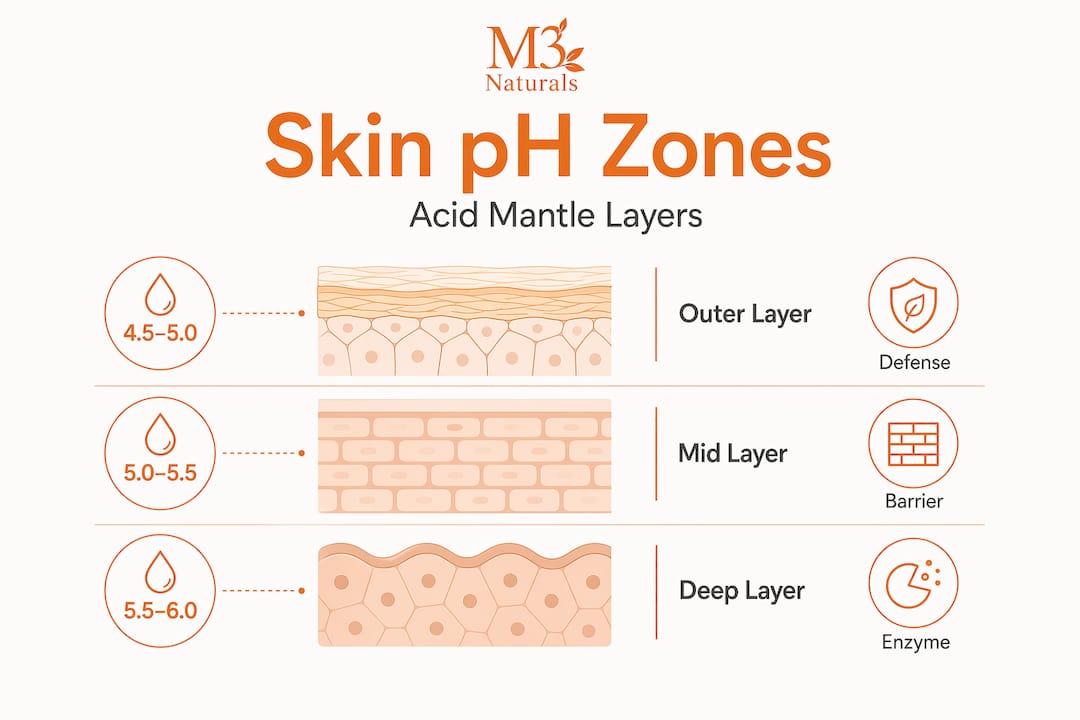
The acid mantle is not a single uniform layer. Research shows it contains three distinct pH zones, each serving a different biological role. The outermost zone is most acidic and responsible for antimicrobial defense. The middle zone, sitting at roughly pH 4.7 to 5.5, is where ceramide-processing enzymes are most active. These enzymes build the lipid matrix that holds your skin cells together and prevents water from escaping. Disrupt that zone, even temporarily, and your barrier function starts to slip.
Your skin’s microbiome is equally pH-dependent. Beneficial bacteria like Lactobacillus prefer the acidic environment your skin naturally provides. Harmful bacteria, including Staphylococcus aureus, thrive when pH rises toward neutral. Maintaining the right skincare pH levels is not just about texture or tone. It is about creating conditions where your skin can actually defend itself.
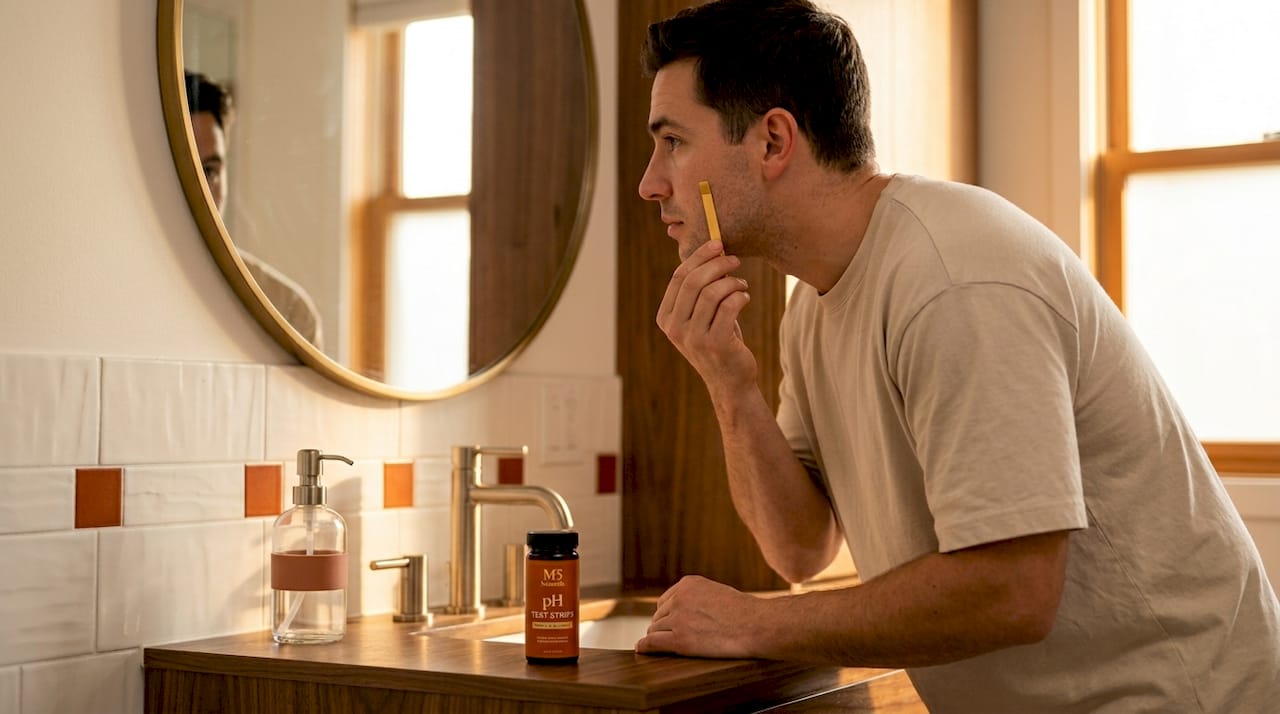
Pro Tip: If you want a quick, at-home check on your skin’s condition, pH test strips designed for skin use can give a rough reading after cleansing. Anything above 6.0 is a signal to rethink your cleanser.
| pH Zone | Range | Primary Role |
|---|---|---|
| Outer stratum corneum | 4.5–5.0 | Antimicrobial defense |
| Mid stratum corneum | 4.7–5.5 | Ceramide enzyme activation |
| Inner stratum corneum | 5.5–6.5 | Barrier lipid organization |
| Disrupted/alkaline skin | Above 6.5 | Enzyme inhibition, barrier breakdown |
How skincare products affect your skin’s pH
Most people choose cleansers based on fragrance, lather, or marketing language. But the single most consequential factor in any cleanser is its pH. Traditional bar soaps typically register at pH 8.0 to 11.0. At those levels, every wash strips your skin’s natural oils, temporarily collapses the acid mantle, and forces your skin to work overtime just to recover before your next shower.
Synthetic detergent cleansers, known as syndets, are specifically formulated to sit within the skin’s natural pH range of 4.5 to 5.5. pH-balanced cleansers in this range prevent the barrier compromise that alkaline products cause. The difference is not subtle. People who switch from alkaline soaps to pH-appropriate cleansers often notice reduced tightness, less flaking, and fewer breakouts within a few weeks.
Moisturizers matter too, but in a more nuanced way. Products containing ceramides, cholesterol, and fatty acids directly replenish the lipids your barrier depends on. Products containing humectants like hyaluronic acid draw water into the skin. But if your cleanser has already disrupted the pH environment, those ingredients cannot do their job as effectively. The importance of pH in skincare is that it sets the conditions for every other product to work.
Here is what to look for and what to avoid when selecting products:
- Choose: Syndets and gel cleansers labeled pH 4.5–5.5, ceramide-rich moisturizers, products with lactic acid or glycolic acid at low concentrations
- Choose: Toners with niacinamide that help restore barrier function after cleansing
- Avoid: Bar soaps with no pH claim, foaming cleansers with sodium lauryl sulfate as a primary ingredient, astringent toners with alcohol above 10%
- Avoid: Products promising an extreme “deep clean,” which usually means aggressive alkalinity
- Watch out for: Fragrance as the third or fourth ingredient in any rinse-off product, which often correlates with irritating formulations
Pro Tip: When you read a product label and cannot find pH information, look at the preservative system. Products preserved with phenoxyethanol or sodium benzoate are typically formulated below pH 6.0, which is a reasonable proxy for skin-compatibility.
What happens when skin pH gets disrupted
The effects of pH imbalance are not always visible at first. That is what makes them so damaging. Research shows that alkaline surfactants increase transepidermal water loss by 40% within just 14 days of regular use, even when no redness or irritation is visible. Your skin is losing hydration faster than it can replace it, and you may not notice until the damage compounds into chronic dryness or sensitivity.
pH disruption also creates a microbial problem. When the acid mantle weakens, the environment becomes hospitable to Staphylococcus aureus, a bacterium closely linked to atopic dermatitis flares. Studies confirm that individuals with atopic dermatitis consistently show elevated, more alkaline skin pH, which impairs the enzymes responsible for maintaining the barrier and increases permeability to allergens. The pH imbalance is not just a symptom. pH dysregulation precedes inflammation, meaning fixing the pH environment is a genuine clinical intervention, not just a cosmetic upgrade.
| Skin Condition | Balanced pH (4.5–5.5) | Disrupted pH (Above 6.5) |
|---|---|---|
| Hydration | Retained effectively | TEWL increases significantly |
| Microbial balance | Beneficial bacteria dominate | Pathogenic bacteria thrive |
| Enzyme function | Ceramide processing active | Lipid synthesis impaired |
| Barrier integrity | Intact and resilient | Permeable, easily irritated |
| Inflammation risk | Low | Elevated, may precede visible symptoms |
| Sensitivity | Minimal | Reactive to previously tolerated products |
Age adds another layer to this. Proton pumps like NHE1, which help maintain skin acidity, decline with age. This means older skin tends toward a higher resting pH independent of any products used, which is one reason why mature skin tends to feel drier and more reactive even with a consistent routine. Understanding how pH affects skin across life stages helps you make smarter product adjustments as you age.
Maintaining pH balance in your skincare routine
Building a pH-conscious routine does not require a chemistry degree. It requires understanding a few key principles and applying them consistently. Here is a step-by-step approach:
-
Swap your cleanser first. This is the single highest-impact change. Replace any bar soap or high-foam cleanser with a syndet or gel cleanser formulated at pH 4.5–5.5. Check the brand’s website or email their customer service if the label does not list pH.
-
Moisturize within two minutes of cleansing. Your skin starts recovering its pH naturally if left undisturbed, but applying a barrier-supporting moisturizer immediately after washing accelerates that recovery and reduces the window of vulnerability.
-
Layer products from lowest to highest pH. Vitamin C serums (typically pH 2.5–3.5) should go on before niacinamide-based products (pH 5.0–7.0). Applying them in the wrong order can neutralize active ingredients and reduce their effectiveness.
-
Consider your water. Hard water with high mineral content can raise the pH of your skin’s surface after rinsing. If you live in an area with very hard water, using a gentle, slightly acidic toner after cleansing can help compensate.
-
Reduce washing frequency if your skin feels tight. Chronic over-washing prevents skin from reaching its natural resting pH. Skin returns to below pH 5.0 naturally when left undisturbed. Twice-daily washing is the upper limit for most skin types.
Pro Tip: If you use exfoliating acids like AHAs or BHAs, apply them after cleansing and before moisturizer. They are most effective at their intended low pH and will not compete with a moisturizer’s higher pH environment if applied in the correct sequence.
The best pH for facial products will vary slightly by product type, but the overriding principle is consistency. A pH-conscious routine does not need to be complicated. It just needs to stop working against your skin’s natural chemistry.
My take on the pH conversation in skincare
I’ve spent years looking closely at how people build their skincare routines, and the most consistent mistake I see is not a bad ingredient choice or a missing step. It’s people using cleansers that actively strip the acid mantle while investing heavily in serums and treatments to fix the damage those same cleansers cause. It’s like mopping a floor while the faucet is still running.
What I’ve learned is that the “clean feeling” after washing is one of the most misleading signals in skincare. That squeaky-clean sensation is your skin communicating distress, not satisfaction. The products causing it are disrupting your barrier lipids and leaving your acid mantle unable to function. Most people interpret this as the product working. It is actually the product failing.
I’ve also found that the signs of pH imbalance are subtle at first and easy to misattribute. Skin that suddenly becomes reactive to a moisturizer it tolerated for months. Breakouts that appear in new areas despite no diet or hormonal changes. A gradual increase in sensitivity that gets blamed on aging. In my experience, the first place to investigate is always the cleanser and its pH.
The contrarian truth here is that less washing and gentler products almost always produce better results than a rigorous routine built on harsh formulations. Your skin has had millions of years to develop its own chemistry. The best thing most routines can do is stop getting in the way.
— SuperNatural
Support your skin’s balance with M3naturals

The science is clear: your skin’s pH environment determines how well everything else in your routine performs. M3naturals builds its skincare products around ingredients that work with your skin’s natural chemistry rather than against it. From botanical-rich formulas that respect your acid mantle to body scrubs crafted to exfoliate without stripping, each product is designed to support barrier health and lasting hydration. The M3naturals body care collection includes options that complement a pH-conscious routine from head to toe, using ethically sourced ingredients like coconut oil, charcoal, and lavender that deliver real results without compromising your skin’s natural defenses.
FAQ
What is the ideal pH for skin?
Healthy skin sits at a slightly acidic pH of 4.5 to 5.5. This range supports the acid mantle, activates barrier enzymes, and maintains a stable skin microbiome.
How does pH affect skin health?
pH governs enzyme activity, microbial balance, and water retention in the skin. When pH rises above 6.5, barrier function deteriorates, transepidermal water loss increases, and harmful bacteria like Staphylococcus aureus are more likely to colonize the skin.
Can your cleanser damage your skin’s pH balance?
Yes. Traditional bar soaps and high-foam cleansers often register at pH 8.0 to 11.0, which is far above the skin’s natural range. Regular use disrupts the acid mantle and can increase water loss by up to 40% within two weeks.
What does pH-balanced mean on a skincare label?
A pH-balanced product is formulated to match the skin’s natural pH range of 4.5 to 5.5. These products, especially cleansers, help preserve the acid mantle and reduce the risk of barrier disruption compared to alkaline alternatives.
Does skin pH change with age?
Yes. Age-related decline in proton pumps like NHE1 reduces the skin’s natural acidity over time, contributing to the dryness and reactivity many people associate with aging skin. Switching to more pH-compatible products becomes increasingly useful as you get older.