
You’ve probably stared at an ingredient list on a lotion bottle and thought, “I can’t pronounce half of this.” That moment of doubt is exactly why so many people are asking why choose natural body products instead of the synthetic options that have dominated shelves for decades. Over 40% of beauty shoppers now prioritize natural ingredients, and it is not just a passing trend. From long-term skin health to environmental impact, the advantages of natural beauty products run deeper than clever marketing. This guide cuts through the noise and gives you a clear, honest picture.
Table of Contents
- Key takeaways
- Why choose natural body products: what’s actually in them
- Skin health: what natural products actually do differently
- Environmental reasons to go natural
- Common misconceptions about natural products
- How to build a natural body care routine
- My take on why natural body care actually matters
- Natural body products you can trust from M3naturals
- FAQ
Key takeaways
| Point | Details |
|---|---|
| Natural ingredients are skin-compatible | Plant-based actives like shea butter and coconut oil work with your skin’s biology, not against it. |
| Fewer harsh chemicals, less irritation | Avoiding parabens, sulfates, and synthetic fragrances significantly reduces the risk of skin reactions. |
| Eco-friendly by design | Natural products rely on biodegradable, renewable resources that lower environmental impact throughout their lifecycle. |
| “Natural” doesn’t mean problem-free | Some natural ingredients can trigger allergies, so reading labels carefully still matters. |
| Transition gradually for best results | Switching from synthetic to natural products slowly gives your skin time to adjust without disruption. |
Why choose natural body products: what’s actually in them
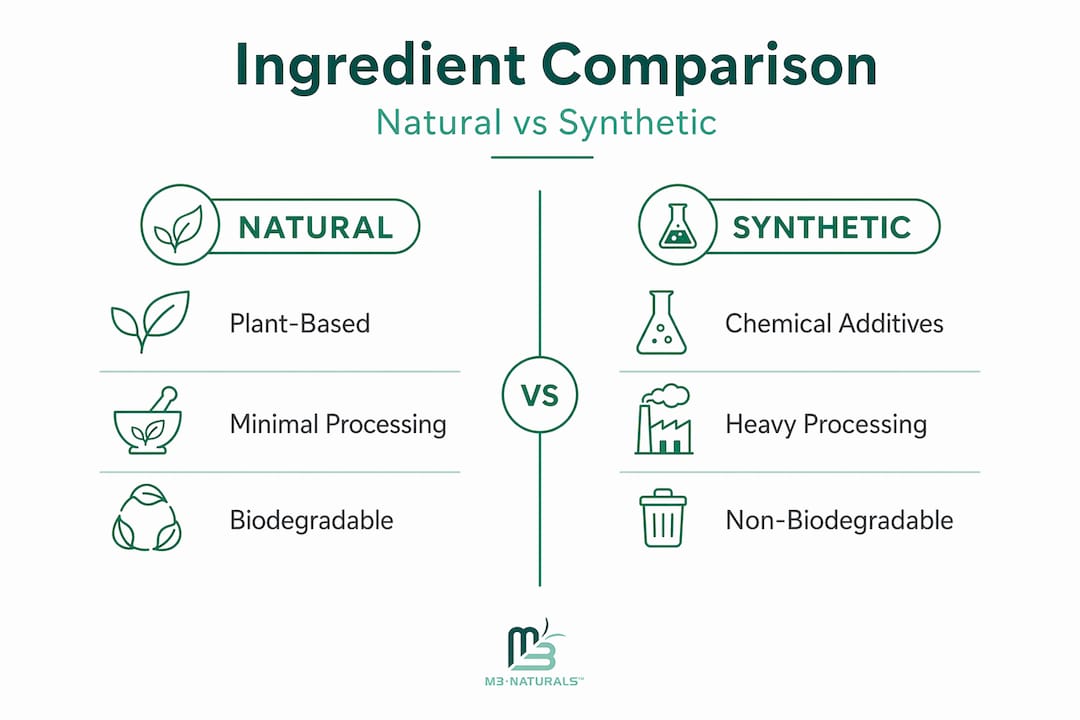
The word “natural” gets thrown around loosely, so it helps to understand what it actually means in body care. Genuine natural body products are formulated with ingredients sourced from plants, minerals, and other living organisms, processed minimally to preserve their biological activity.
The difference between a natural and a synthetic ingredient is not just philosophical. Synthetic ingredients are often petroleum-derived or lab-manufactured to mimic natural compounds, while natural alternatives come with a fuller spectrum of nutrients your skin can recognize and use.
Some of the most effective natural ingredients showing up in body care include:
- Shea butter and coconut oil: Rich in vitamins and fatty acids, these butters moisturize deeply, improve elasticity, and carry natural antibacterial and anti-inflammatory properties.
- Tea tree oil: A potent antimicrobial extracted from the Melaleuca alternifolia plant, widely used for acne and fungal concerns.
- Hyaluronic acid (from plant fermentation): Holds up to 1,000 times its weight in water, making it one of the most effective hydrators available.
- Botanical extracts (lavender, turmeric, chamomile): Each brings specific bioactive compounds. Turmeric is anti-inflammatory. Lavender calms irritated skin. Chamomile soothes redness.
Sourcing and purity matter just as much as the ingredient itself. A plant extract processed with harsh solvents loses much of its benefit. Look for cold-pressed oils, steam-distilled essential oils, and brands that document their sourcing practices. The quality of the supply chain directly shapes the quality on your skin. Learning about herb-infused skincare is a good way to understand how modern formulations preserve these benefits.
Skin health: what natural products actually do differently
This is where the conversation gets substantive. The skin health benefits of natural body products are not vague wellness claims. They are grounded in how skin chemistry works.
Here is a simple framework for understanding the difference:
- They work with your skin barrier, not around it. Synthetic products often contain aggressive acids, alcohols, or exfoliants that strip the skin’s protective layer. Natural products maintain skin function without causing that cyclical damage.
- They reduce irritation triggers. Consumers increasingly avoid parabens, sulfates, and synthetic fragrances because these compounds disrupt the skin’s pH and cause chronic low-grade inflammation.
- They deliver bioactive compounds directly. A cold-pressed rosehip oil does not just moisturize. It delivers vitamin A, vitamin C, and linoleic acid in their natural ratios, which research links to collagen production and reduced hyperpigmentation.
- They support sensitive and acne-prone skin. Fragrance is the number one cause of cosmetic contact dermatitis. Fragrance-free, plant-based formulas are often the first recommendation dermatologists give to reactive skin types.
- They benefit aging skin without inflammation. Harsh retinol alternatives can cause peeling and irritation. Natural actives like bakuchiol deliver similar cell-turnover benefits without the side effects.
Maintaining your skin’s pH balance is one of the most overlooked factors in long-term skin health. Natural formulas, because they skip harsh surfactants and synthetic preservatives, are far less likely to throw that balance off.
Pro Tip: If you have reactive skin, switch one product at a time when moving to natural options. This way, you can pinpoint what works and catch any ingredient sensitivities before they become a bigger problem.
Environmental reasons to go natural
Choosing natural body products is a decision that extends far beyond your bathroom mirror. The environmental case is compelling and, honestly, underreported.

Natural ingredients derived from renewable resources lower the carbon footprint of skincare production compared to petrochemical-based manufacturing, which relies on fossil fuel extraction and energy-intensive synthesis.
Consider what goes down the drain every time you shower with a synthetic product:
- Synthetic fragrance compounds (phthalates, musks) do not break down easily in water treatment systems and accumulate in aquatic environments.
- Microplastics from synthetic exfoliants have been found in ocean fish and drinking water in measurable concentrations.
- Petrochemical emulsifiers and silicones coat waterways and affect oxygen levels that aquatic life depends on.
Natural alternatives are biodegradable by design. When coconut oil, sugar, or plant-based emulsifiers wash off your body, they break down without leaving a toxic residue. Many natural brands now pair their formulations with sustainable farming and ethical sourcing practices, and cruelty-free testing has become a standard expectation rather than a premium add-on.
Your buying habits shape the industry. When growing demand for clean beauty translates into purchases, brands that rely on petrochemical shortcuts lose market share. That is a feedback loop worth participating in.
Common misconceptions about natural products
No honest guide skips this part. Natural body products have real limitations, and pretending otherwise just sets you up for disappointment.
Here is a side-by-side comparison of the most persistent myths versus the reality:
| Myth | Reality |
|---|---|
| Natural means hypoallergenic | Some botanical allergens (like essential oils and latex-derived ingredients) cause strong reactions in sensitive individuals. |
| Natural products do not work as well | Modern bio-active formulations prove that concentrated plant actives can be just as potent as synthetic alternatives. |
| No preservatives means safer | Without careful preservation, natural products can grow mold and bacteria faster. Responsible brands use natural preservatives like vitamin E or rosemary extract. |
| All natural labels are trustworthy | “Natural” is not a regulated term in the U.S. Always check the actual ingredient list rather than the front-of-label claim. |
| Natural is always expensive | The price gap has narrowed significantly. Accessible natural body care is widely available at multiple price points. |
Natural ingredients sometimes carry a shorter shelf life, which is worth factoring into how much product you buy at once. Buy smaller sizes if you are new to a formula or do not use it daily.
Pro Tip: When evaluating a product label, look for the INCI (International Nomenclature of Cosmetic Ingredients) names. A product with 28 synthetic entries followed by a single plant extract does not qualify as a natural formula regardless of what the packaging says.
How to build a natural body care routine
Making the switch does not have to be complicated. A focused approach gets you better results than overhauling everything at once.
- Start with your highest-contact products. Body lotion and shower gel are on your skin daily and cover large surface areas. These are the highest-value swaps for reducing your synthetic ingredient exposure.
- Match products to your skin type. Dry skin benefits most from heavier oils and butter-rich formulas. Oily or acne-prone skin responds better to lighter plant oils like jojoba or grapeseed, which closely mimic the skin’s natural sebum.
- Address specific concerns with targeted naturals. For fungal or bacterial issues, tea tree oil formulations are a well-documented, affordable option. Natural antifungal products with tea tree or eucalyptus oil offer effective relief typically priced between $5 and $25. For healing minor skin irritations, a tea tree balm applied directly to the affected area can reduce inflammation quickly.
- Transition gradually. Give your skin two to three weeks with each new product before judging effectiveness. Skin has a cell turnover cycle of roughly 28 days, so results from gentler formulas take a little time to show.
- Track your skin’s response. Keep a simple note on your phone about what you introduced and when. If a reaction occurs, you will know exactly which ingredient to investigate rather than guessing.
Building a routine around natural body care products suited to your skin does not require a complete lifestyle overhaul. Small, consistent substitutions compound into meaningful change over weeks and months.
My take on why natural body care actually matters
I have spent years paying close attention to how people respond to natural versus synthetic skincare, and the most honest thing I can say is this: “natural” is not automatically better. That matters to say out loud, because the category gets oversimplified constantly.
What I’ve seen work consistently is a combination of genuinely well-sourced natural ingredients paired with smart modern formulation. The brands that get it right are not just swapping out synthetics for plant stuff. They are using science to understand which bioactive compounds do what, at what concentration, and in what delivery system. That is the future of natural body care, and it is already here.
What I’ve also noticed is that people underestimate the cumulative effect of synthetic chemicals used daily over years. No single shower gel with artificial fragrance is going to cause harm. But a decade of daily use across a dozen products? That adds up. The importance of natural body care is not about avoiding one bad ingredient. It is about lowering your total load over time.
My genuine advice: stop looking for perfection on labels and start looking for transparency. Brands that tell you exactly what is in their products, where it comes from, and why it is there have earned a different level of trust than brands hiding behind proprietary blends and marketing language. That transparency, more than any single ingredient, is what I look for first.
— SuperNatural
Natural body products you can trust from M3naturals
If you have made it this far, you understand that choosing well-formulated natural body products is about more than avoiding chemicals. It is about supporting your skin with ingredients that actually work and making choices you feel good about.

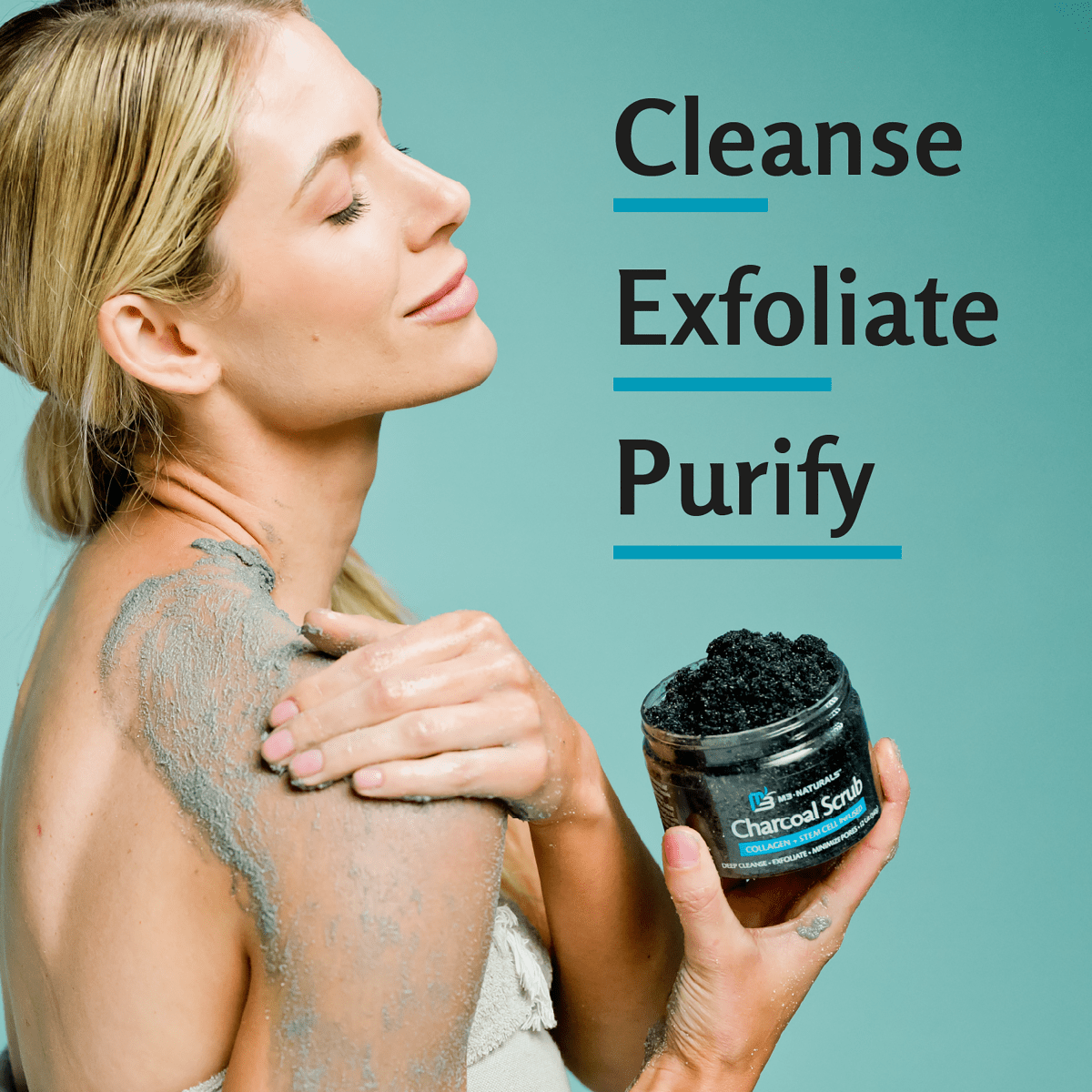
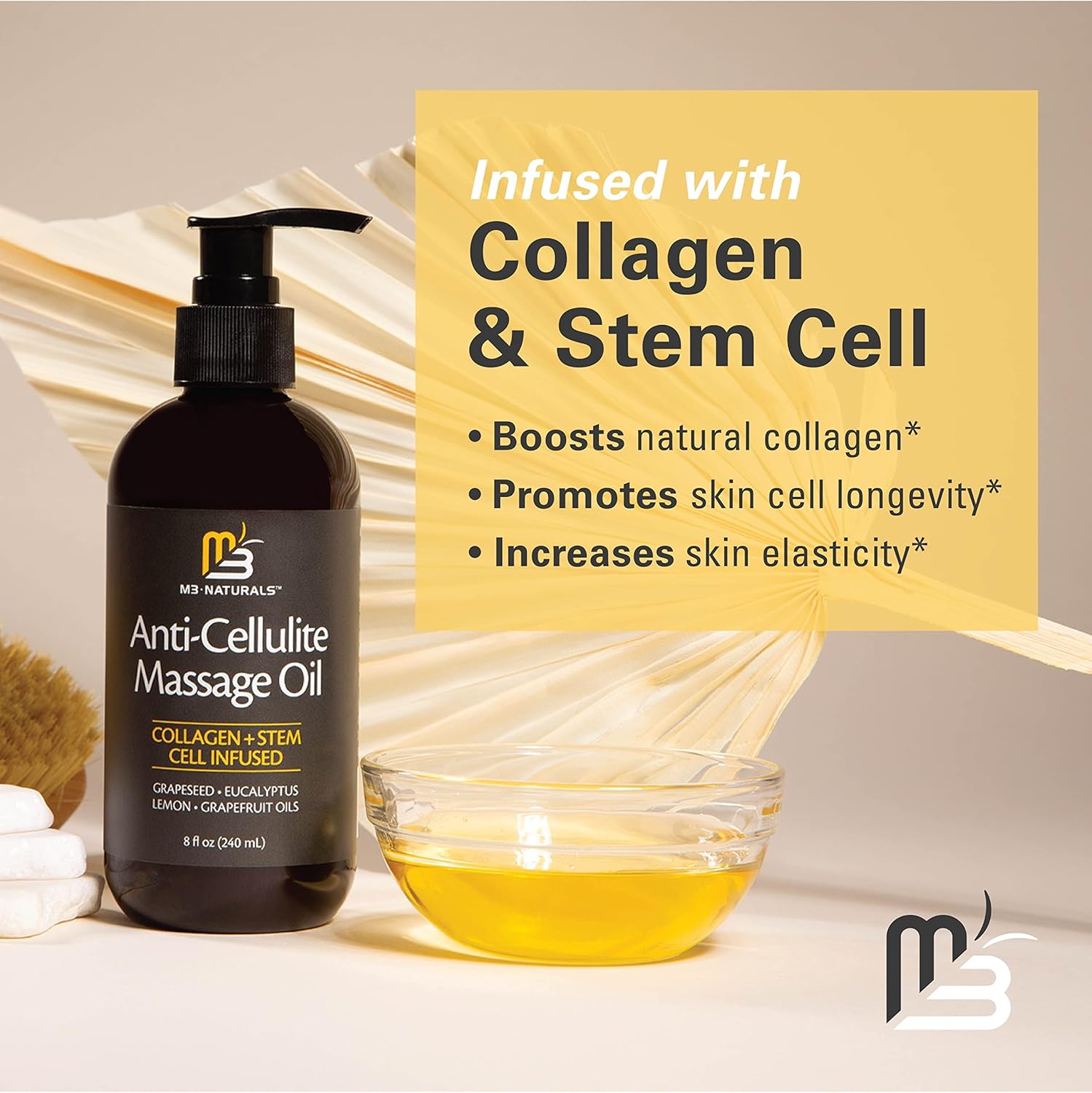
M3naturals has built its entire line around that standard. Every product in their body scrubs collection uses ethically sourced, natural ingredients like charcoal, coconut oil, and botanical extracts to exfoliate and nourish simultaneously. Their massage oils are formulated with plant-based actives designed for both skin health and relaxation. No synthetic fragrances. No parabens. No petrochemical fillers. Just clean, effective formulas at accessible prices. If you are ready to experience what natural body care done right feels like, M3naturals is the place to start.
FAQ
What makes natural body products better for sensitive skin?
Natural formulas skip synthetic fragrances, sulfates, and parabens, which are the most common triggers for contact dermatitis and skin irritation. Plant-based ingredients tend to work with the skin’s natural biology rather than disrupting it.
Are natural body products as effective as synthetic ones?
Yes, when properly formulated. Modern natural formulations use concentrated bio-actives that work with the skin’s natural processes and can deliver results comparable to synthetic alternatives, without the harsh side effects.
How do I know if a product is truly natural?
Check the INCI ingredient list rather than front-label claims, since “natural” is not a regulated term in the U.S. A genuinely natural product will list recognizable plant oils, extracts, and minerals as its primary ingredients.
Do natural body products expire faster?
They can. Natural ingredients sometimes have a shorter shelf life without synthetic preservatives. Buy sizes you will use within three to six months and store products away from heat and direct sunlight.
Is choosing natural body products better for the environment?
Yes. Natural ingredients are generally biodegradable and derived from renewable resources, which means they break down without leaving toxic residue in waterways. Many natural brands also use sustainable packaging and cruelty-free practices, reducing overall environmental impact.