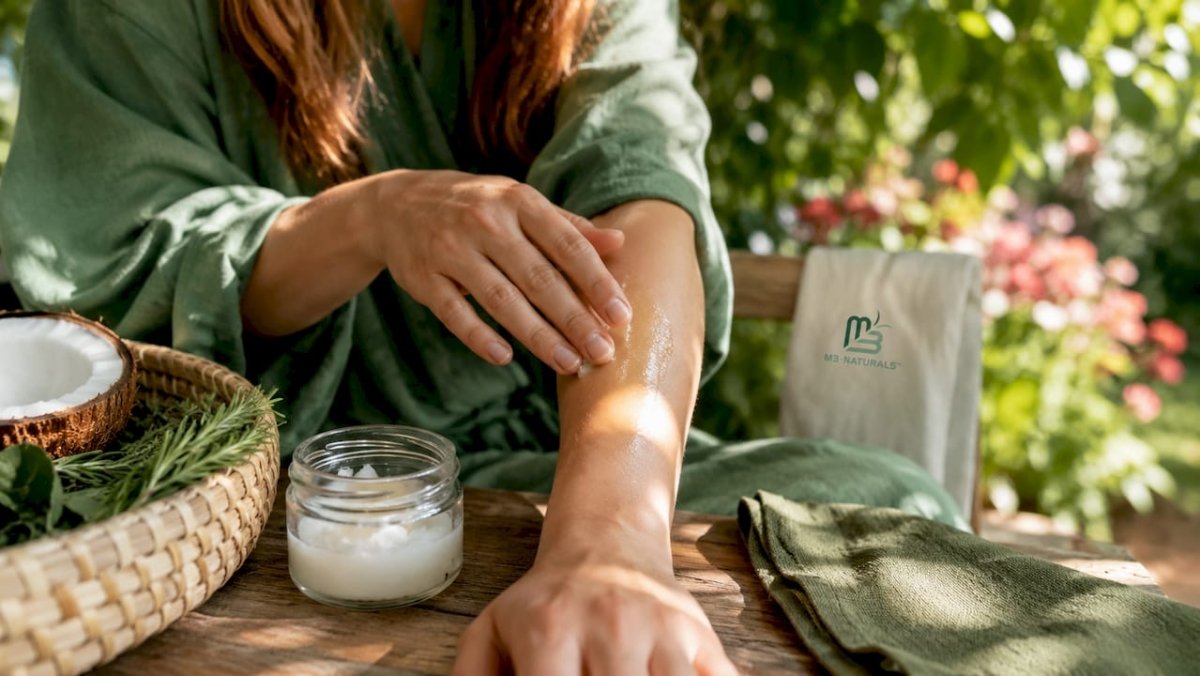

Grounding skincare is defined as a dual practice combining physical earthing, direct barefoot contact with the Earth’s surface, and mindful sensory application of skincare products to support skin health and nervous system regulation. The term “earthing” is the recognized scientific term for the physical component, while “grounding skincare” describes how both practices work together. Grounded conditions enhance mitochondrial ATP production by 5–11% and reduce reactive oxygen species by 22–33%. That means your skin cells produce energy more efficiently and face less oxidative damage when you practice grounding consistently. For anyone serious about holistic skin wellness, grounding is one of the most underused tools available.
What does grounding skincare mean at a biological level?
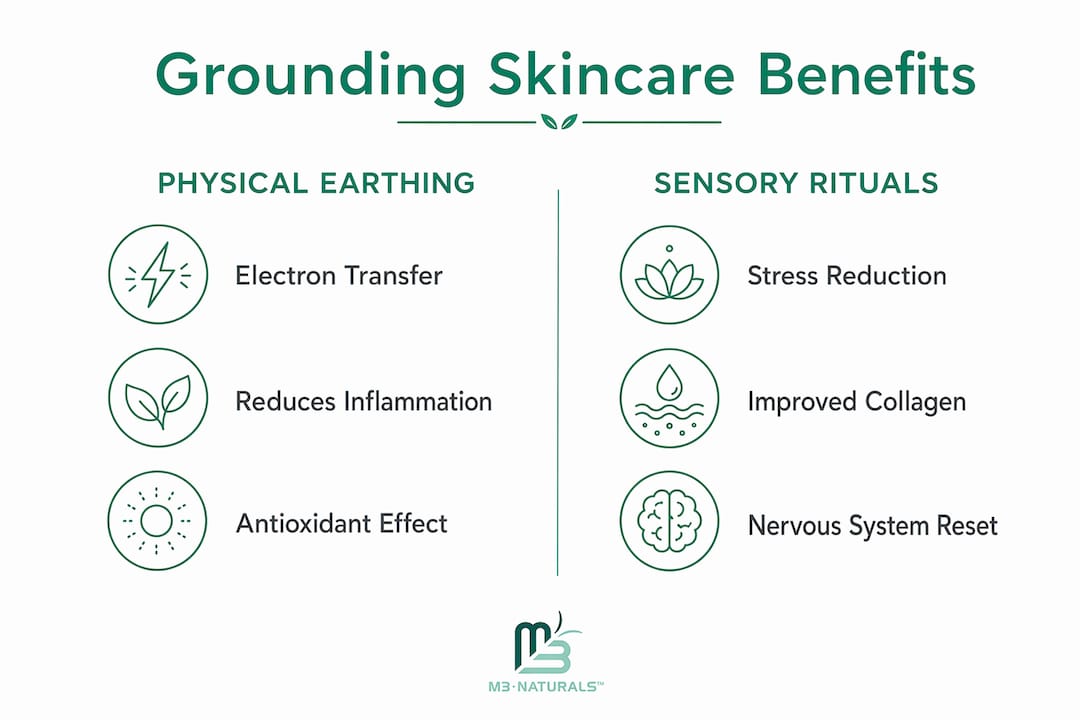
Grounding skincare works through two distinct but connected mechanisms. The first is earthing: placing bare skin in direct contact with the Earth’s surface to receive a flow of free electrons. The second is a sensory ritual: applying skincare products slowly and intentionally to activate the parasympathetic nervous system, the part of your nervous system responsible for rest and repair.
The electron transfer from earthing acts as a natural antioxidant. Free radicals, also called reactive oxygen species, are unstable molecules that damage skin cells and accelerate aging. When electrons from the Earth neutralize these molecules, oxidative stress drops. Red blood cells show a 273% increase in zeta potential after grounding sessions. Higher zeta potential means red blood cells repel each other more effectively, which improves circulation and delivers more oxygen and nutrients to skin tissue.
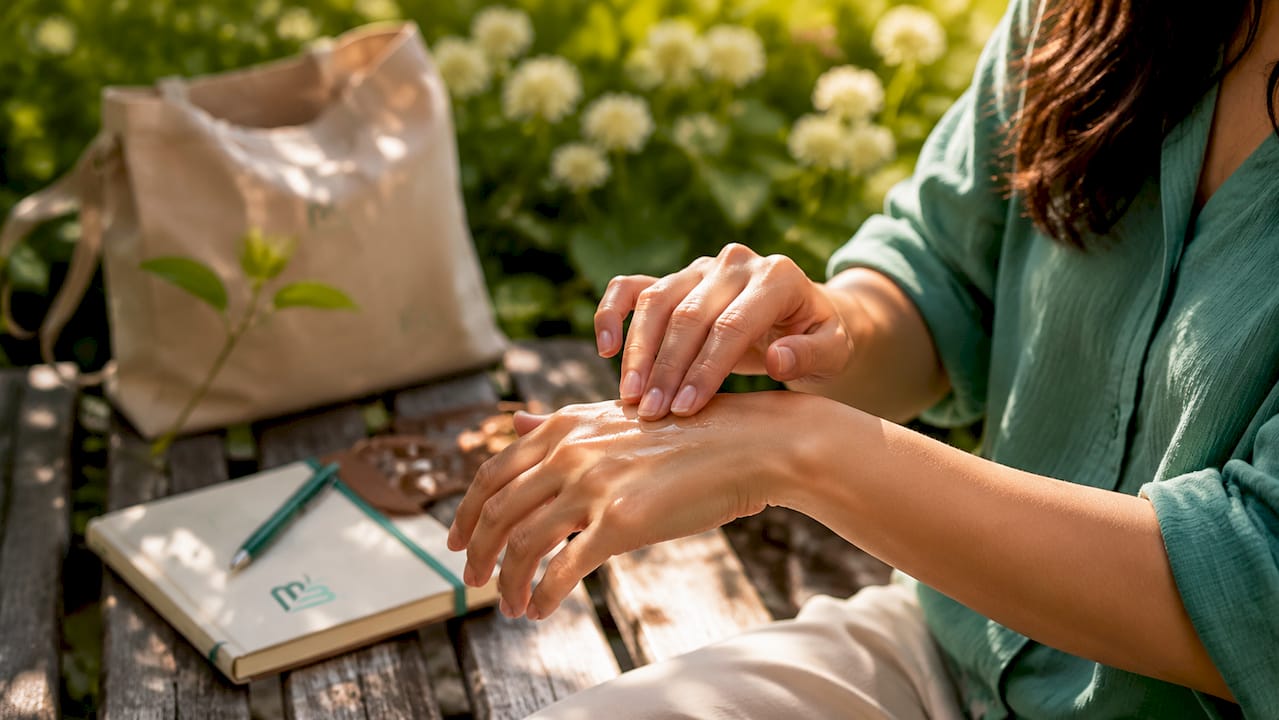
The sensory ritual side of grounding skincare targets cortisol, the stress hormone that breaks down collagen and impairs the skin barrier. Slow, deliberate product application signals safety to the nervous system. That signal shifts your body from a stress state into a repair state, which is exactly when skin regeneration accelerates.
Both mechanisms reinforce each other. Physical earthing reduces systemic inflammation, and mindful application reduces cortisol. Together, they create conditions where your skin can actually repair itself rather than just survive daily stress.
What is physical earthing and how does it benefit the skin?
Earthing is the practice of placing bare skin, most often the soles of the feet, directly on a conductive natural surface. The Earth carries a mild negative electrical charge. When your skin touches it, electrons flow into your body and neutralize positively charged free radicals.
The skin benefits are measurable. Consistent grounding improves facial blood flow, reduces inflammation markers, and regulates cortisol rhythms for better overnight skin repair. Improved circulation means skin cells receive more nutrients and flush waste products faster. Small clinical trials have also shown that grounding can decrease systolic blood pressure by about 14.3%, which supports better skin perfusion over time.
Surfaces that conduct electrons effectively include:
- Bare soil (the most conductive natural surface)
- Grass (especially when damp with morning dew)
- Sand (particularly near the ocean, where salt water increases conductivity)
- Unpainted concrete (conducts when slightly moist)
Surfaces that block electron transfer include asphalt, rubber-soled shoes, carpet, and sealed or painted flooring. Modern lifestyle separates people from Earth contact, and these barriers are a major reason. Wearing rubber-soled shoes all day, living in high-rise apartments, and working on sealed floors all cut off the body’s natural electrical connection.
Pro Tip: Walk barefoot on damp grass for 20 minutes in the morning. Moisture increases conductivity, and morning light exposure adds a circadian benefit that further supports cortisol regulation.
How do sensory grounding skincare rituals support skin and mind wellness?
Sensory grounding rituals use the act of skincare application itself as a nervous system reset. The key is slow, deliberate, device-free touch. When you apply a product with full attention and unhurried movements, your brain interprets that as a signal to downshift from stress mode.
A 5-minute focused nighttime routine can reduce cortisol production and improve rest, which directly enhances skin regeneration. Skin repairs itself primarily during sleep, and cortisol suppresses that repair process. Reducing cortisol before bed is one of the most direct ways to improve skin barrier function overnight.
A practical sensory grounding routine looks like this:
- Put your phone away at least 10 minutes before starting. Blue light and notifications keep the nervous system alert.
- Dim the lights in your bathroom or bedroom. Bright overhead lighting signals daytime to your brain and delays the parasympathetic shift.
- Warm your hands before touching your face or body. Cold hands trigger a mild stress response; warm hands do the opposite.
- Apply products using slow, circular massage motions. Press gently rather than rubbing quickly. Focus on the sensation of texture and temperature.
- Breathe slowly throughout. A 4-count inhale and 6-count exhale activates the vagus nerve, which deepens the parasympathetic response.
Clinical observations show that grounding impacts vagal tone and autonomic nervous system balance. Even infants grounded in a neonatal ICU showed increased vagal tone within minutes. That finding confirms the nervous system responds to grounding signals quickly, which means your 5-minute ritual has real physiological weight.
Pro Tip: Use a body scrub application technique that incorporates slow upward strokes toward the heart. This supports lymphatic flow and deepens the calming effect of the ritual.
What surfaces and conditions optimize grounding for skincare benefits?
Not all outdoor surfaces deliver grounding benefits equally. The key variable is electrical conductivity, which determines how freely electrons can move from the Earth into your body.
| Surface | Conductive? | Notes |
|---|---|---|
| Bare soil | Yes | Most effective; high mineral content |
| Damp grass | Yes | Moisture boosts conductivity significantly |
| Wet sand | Yes | Ocean proximity increases ion availability |
| Unpainted concrete | Yes | Only when slightly moist |
| Asphalt | No | Petroleum-based; blocks electron flow |
| Rubber-soled shoes | No | Insulates completely |
| Carpet | No | Synthetic fibers block contact |
| Painted concrete | No | Sealant disrupts electrical connection |
True grounding occurs on soil, sand, grass, or unpainted concrete, not through insulating materials. This distinction matters because many people assume walking outdoors is enough. If you are wearing rubber-soled shoes on asphalt, you receive no earthing benefit at all.
Indoor grounding devices, such as grounding mats and sheets, are designed to replicate earth contact by connecting to the ground port of an electrical outlet. They can provide a consistent alternative for people in urban environments or cold climates. Natural outdoor grounding remains the reference standard because it delivers the full spectrum of Earth’s electrical field, but indoor devices offer a practical substitute when outdoor access is limited.
Direct skin contact is non-negotiable for either method. Common barriers like asphalt and rubber-soled shoes disrupt electron flow completely. Even a thin layer of insulating material between your skin and the surface is enough to stop the transfer.
How does grounding skincare fit into a broader skin health routine?
Grounding skincare works best when it connects to the rest of your skin health practices rather than standing alone. The central mechanism here is microcirculation, the flow of blood through the smallest vessels that feed skin tissue directly.
Improved microcirculation from grounding enhances skin absorption of topical products, increasing their effectiveness. Skin that receives better blood flow absorbs ingredients more completely rather than letting them sit on the surface. That means the natural body products you apply after a grounding session deliver more of their active ingredients to the cells that need them.
The connection between grounding and skin aging is also direct. Chronic inflammation is one of the primary drivers of premature skin aging, breaking down collagen and impairing barrier function. Grounding reduces systemic inflammation by neutralizing free radicals at the cellular level. Less inflammation means slower collagen degradation and a stronger skin barrier over time.
Grounding skincare integrates well with several other practices:
- Non-toxic product choices: Synthetic fragrances and harsh preservatives can trigger inflammation that grounding works to reduce. Using non-toxic skincare removes a source of chemical stress from the equation.
- Facial massage: Combining earthing with facial massage techniques amplifies microcirculation benefits in the areas where skin aging is most visible.
- Consistent sleep timing: Grounding regulates cortisol rhythms, which align with your circadian cycle. Sleeping and waking at consistent times strengthens that regulation.
- Hydration: Well-hydrated skin conducts electrical signals more effectively, which may enhance the body’s receptivity to earthing benefits.
The most effective approach treats grounding as a foundation, not an add-on. Physical earthing and sensory rituals create the internal conditions where every other skincare step works better.
Key takeaways
Grounding skincare is most effective when physical earthing and mindful sensory rituals are practiced together, creating the internal conditions where skin can repair, absorb, and regenerate.
| Point | Details |
|---|---|
| Earthing requires direct skin contact | Conductive surfaces like soil, grass, and damp sand deliver electron transfer; rubber soles and asphalt block it entirely. |
| Mitochondrial and antioxidant effects are measurable | Grounded conditions reduce reactive oxygen species by 22–33% and boost ATP production by 5–11%. |
| Sensory rituals reduce cortisol | A 5-minute device-free, slow-application routine shifts the nervous system into repair mode before sleep. |
| Microcirculation improves product absorption | Better blood flow from grounding means topical ingredients penetrate more deeply rather than sitting on the surface. |
| Grounding supports the full skincare routine | Pairing earthing with natural, non-toxic products removes competing stressors and amplifies skin repair. |
Why I think grounding skincare deserves more serious attention
Most people treat skincare as a surface problem with surface solutions. Apply the right serum, use the right SPF, and the skin should cooperate. What that view misses is that skin health is downstream of systemic health. Inflammation, cortisol, and poor circulation all show up on your face before they show up anywhere else.
What I find compelling about grounding skincare is its simplicity. Twenty minutes of barefoot contact on damp grass costs nothing and requires no product. A 5-minute intentional nighttime ritual requires only what you already own. The barrier to entry is almost zero, yet the physiological effects, reduced oxidative stress, improved vagal tone, better microcirculation, are the same ones that expensive clinical treatments chase.
The skin-mind connection is real, and most skincare routines ignore it completely. Stress is not just a feeling. It is a measurable hormonal event that degrades collagen, weakens the skin barrier, and accelerates aging. Any practice that interrupts that hormonal cascade, whether through earthing or sensory ritual, is doing skincare work even if it does not look like it.
My recommendation is to start with one practice, not both at once. If you have outdoor access, try 15 minutes of barefoot time on grass or soil three mornings a week. If your schedule makes that difficult, start with the nighttime sensory ritual. Build the habit before adding complexity. Grounding skincare scales to your life. It does not require a complete routine overhaul to deliver real results.
— SuperNatural
M3naturals products that pair well with grounding rituals
Grounding skincare creates the conditions for better absorption and deeper skin repair. The products you use within that ritual matter just as much as the ritual itself.

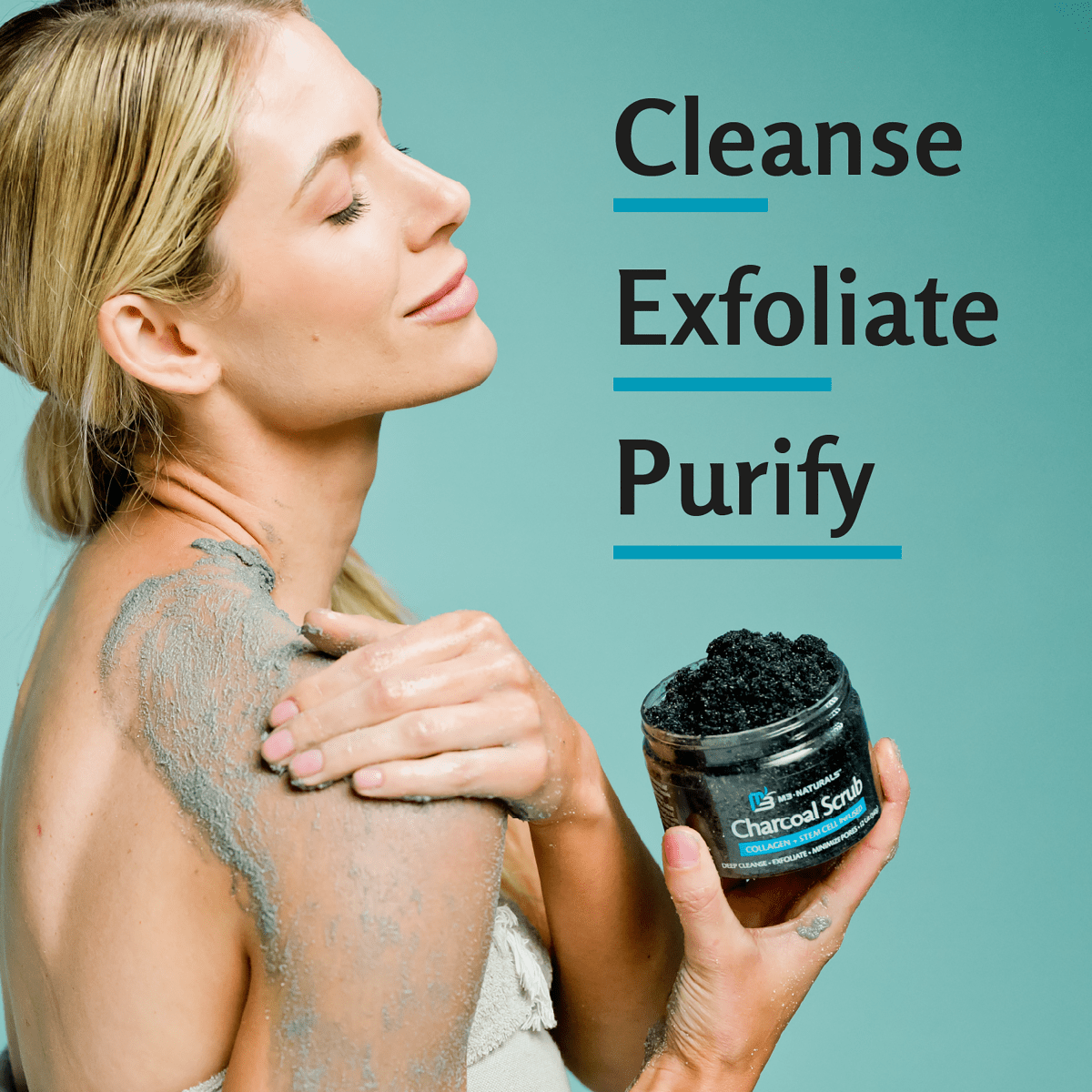
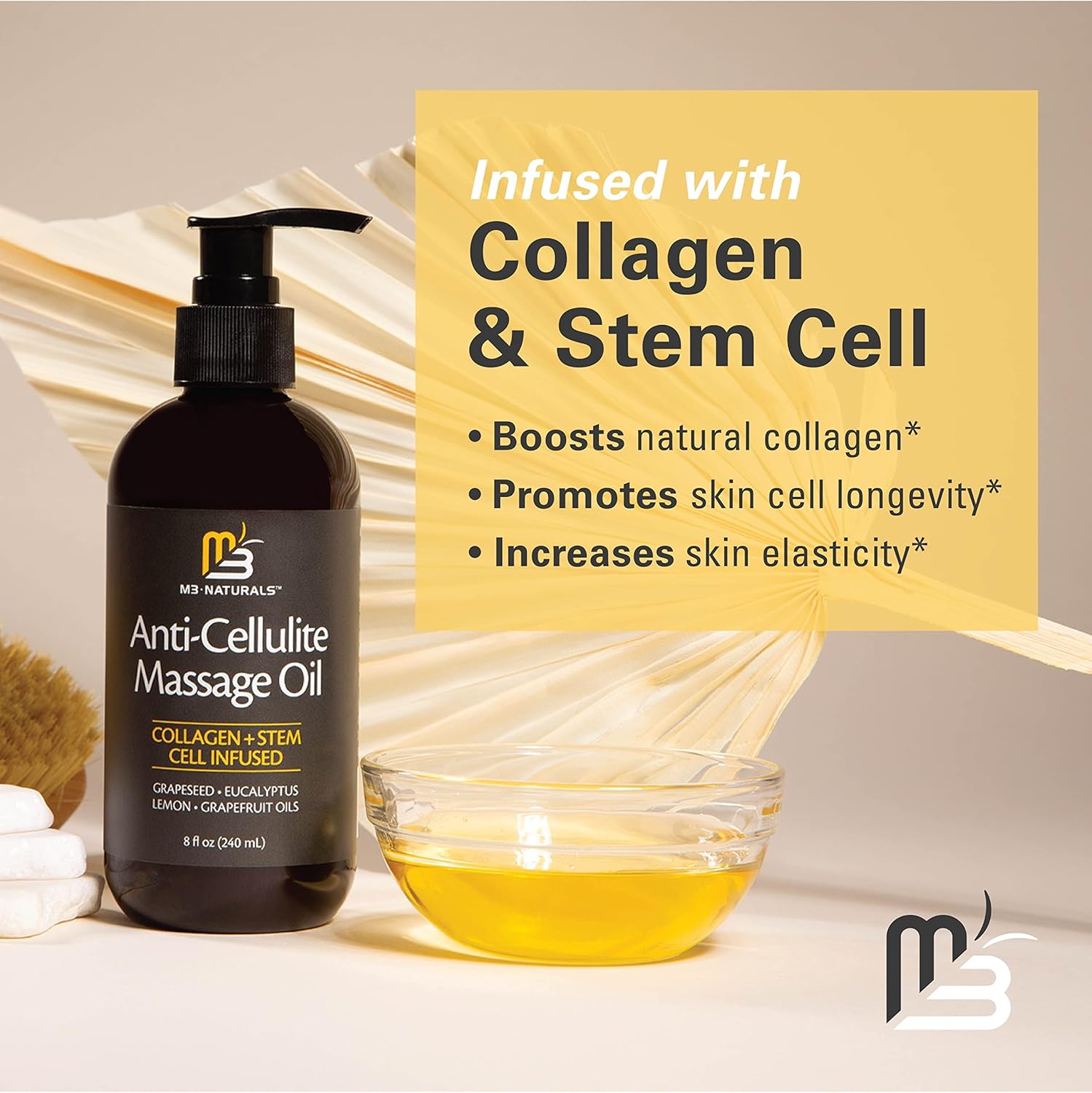
M3naturals body scrubs remove the surface buildup that blocks ingredient absorption, making them a natural first step before any grounding-focused application. Exfoliating with a scrub before your sensory ritual means the skin you are working with is clean, receptive, and ready. M3naturals massage oils are formulated with botanicals like lavender and coconut oil that support the slow, tactile application techniques central to sensory grounding. Using them as part of your nighttime ritual extends the calming, circulatory benefits of grounding into every step of your routine.
FAQ
What does grounding skincare mean in simple terms?
Grounding skincare combines two practices: physically touching the Earth’s surface with bare skin to receive electrons, and applying skincare products slowly and mindfully to calm the nervous system. Both practices reduce inflammation and support skin repair.
Is grounding skincare effective, or is it just a wellness trend?
Grounding has measurable physiological effects, including a 273% increase in red blood cell zeta potential and a reduction in reactive oxygen species by 22–33% under grounded conditions. These changes directly support circulation and skin health, placing it beyond trend status.
How do you apply grounding skincare techniques at home?
Start with 15–20 minutes of barefoot contact on grass, soil, or damp sand. Follow with a device-free nighttime skincare ritual using slow, circular massage motions and deep breathing to activate the parasympathetic nervous system.
What surfaces are best for physical grounding?
Bare soil, damp grass, wet sand, and unpainted concrete are the most conductive surfaces for earthing. Asphalt, rubber-soled shoes, and sealed flooring block electron transfer and provide no grounding benefit.
Can grounding skincare improve how well products absorb into skin?
Grounding improves microcirculation, which increases the skin’s ability to absorb topical ingredients. Skin with better blood flow takes in products more completely rather than leaving them sitting on the surface.