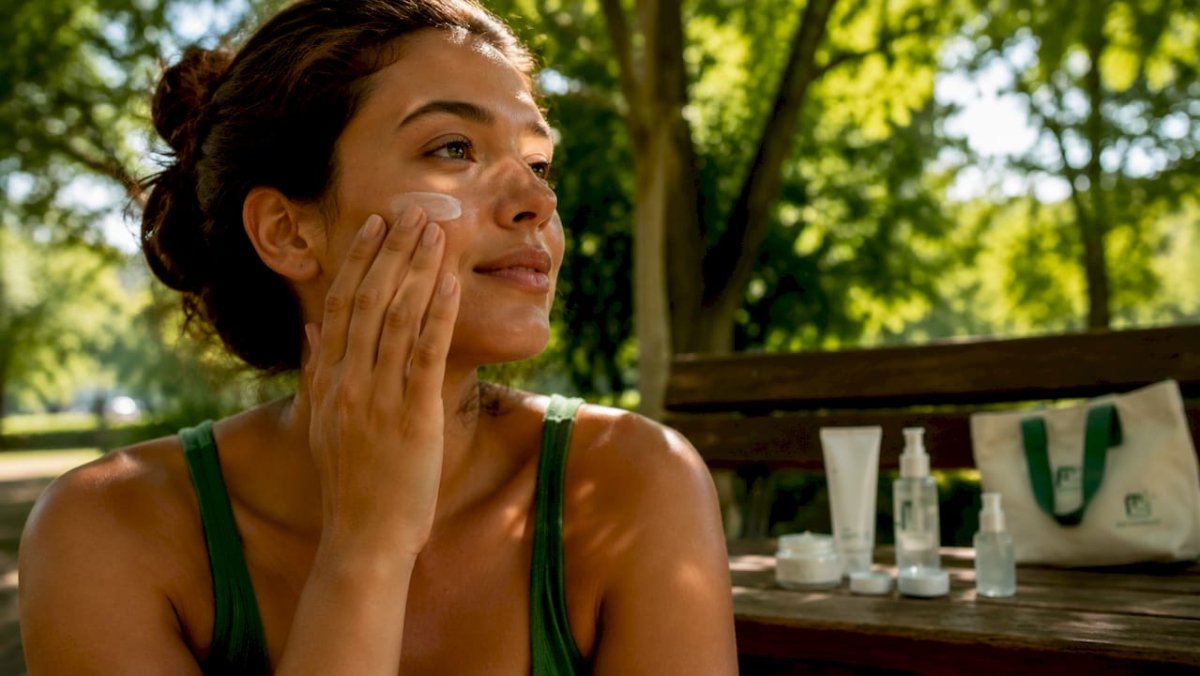

A post-workout skincare routine is a structured sequence of cleansing, hydrating, and protecting steps performed immediately after exercise to remove sweat, bacteria, and oil before they damage your skin. Dermatologists define this practice as post-exercise skin care, and it goes well beyond a quick rinse. Sweat left on the skin mixes with sebum and environmental debris, creating the exact conditions that trigger breakouts, inflammation, and accelerated aging. The good news is that the best skincare after workout sessions does not require a 12-step cabinet. It requires the right products, applied in the right order, within a specific time window.
What is a post-workout skincare routine and why does it matter?
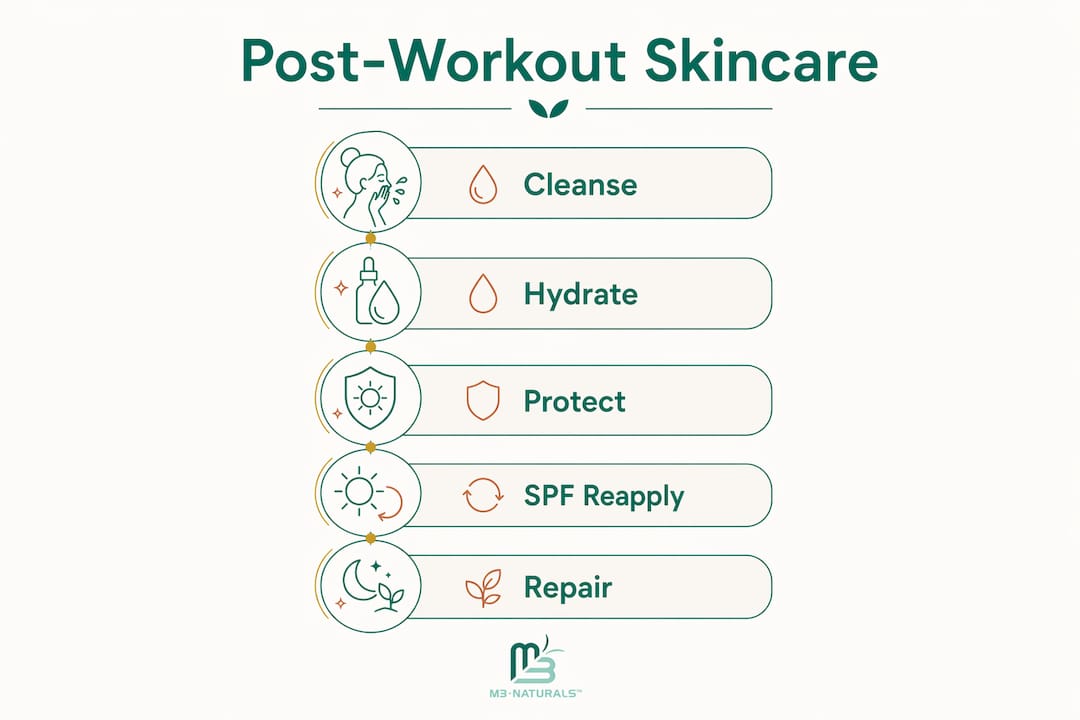
A post-workout skincare routine is defined by three core actions: cleansing, hydrating, and protecting. Each step addresses a specific consequence of physical exertion on your skin. Exercise increases blood flow and body temperature, which opens pores and drives sebum production. That combination creates an open door for bacteria and debris to settle in.
The skin barrier, your outermost layer of protection, is temporarily sensitized after intense exercise. Sweat alters the skin’s surface pH, and without prompt intervention, that disruption compounds into redness, congestion, and irritation. For athletes who train daily, skipping this routine is not a minor oversight. It is a recurring insult to the skin that accumulates over weeks and months.
Dermatologists consistently recommend a three-product minimum for a functional post-exercise skin care routine: a gentle low-pH cleanser, a lightweight non-comedogenic moisturizer, and SPF for outdoor sessions. Brands like CeraVe, La Roche-Posay, and Neutrogena each offer formulas specifically designed for this purpose. The sequence matters as much as the products themselves.
Why timing and cleansing method matter in post-workout skin care
The optimal cleansing window after exercise is 15 to 30 minutes. This is the point at which sweat, oil, and bacteria have accumulated on the surface but have not yet been driven deeper into pores by continued contact. Waiting longer significantly increases the risk of congestion and inflammation.
The method of cleansing matters just as much as the timing. Hot water strips the skin’s natural lipid barrier, and harsh soaps push the skin’s pH above its healthy range of 4.5 to 5.5. Dermatology experts recommend lukewarm water and low-pH cleansers to maintain the skin’s natural acidity and avoid post-workout redness. Understanding pH balance in skincare explains exactly why this matters for long-term barrier health.
The best cleansing options for a skincare routine for athletes include:
- Micellar water (such as Bioderma Sensibio H2O) for quick, low-friction cleansing when a full wash is not possible
- Gentle foaming gels with a pH between 4.5 and 5.5, such as those from CeraVe or La Roche-Posay
- Salicylic acid cleansers at 0.5 to 2% concentration for athletes prone to congestion or body acne
- Avoid physical scrubs, loofahs, or rough washcloths immediately post-workout since the skin is already sensitized
Pro Tip: Wait until your skin is no longer actively dripping sweat before applying any cleanser. Cleansing on actively sweating skin dilutes the product and risks re-contaminating the surface before you rinse.
How to hydrate and repair skin after cleansing
Applying moisturizer on clean, damp skin post-cleansing locks in hydration and accelerates skin barrier repair after exercise. The damp skin window, roughly 60 seconds after patting dry, allows humectants to draw moisture into the skin rather than pulling it from deeper layers.

The most effective ingredients for post-workout hydration are ceramides, glycerin, and hyaluronic acid. Ceramides rebuild the lipid barrier that exercise temporarily disrupts. Glycerin draws water from the environment into the skin. Hyaluronic acid holds up to 1,000 times its weight in water, making it the most efficient hydrating molecule available in over-the-counter skincare.
One of the most persistent myths in post-exercise skin care is that oily skin does not need moisturizer after a workout. Skipping moisturizer on oily post-workout skin actually causes the skin to produce excess oil to compensate for dehydration, which leads directly to more breakouts. This rebound oil effect is well-documented in dermatology and is entirely preventable with a lightweight, non-comedogenic formula. For those navigating the question of oils versus creams, understanding when face oils replace moisturizer can help you choose the right format for your skin type.
Pro Tip: Avoid heavy creams, petrolatum-based balms, or thick occlusive products immediately after a workout. These seal in any residual sweat or bacteria that cleansing missed, which defeats the purpose of the entire routine.
Sun protection after outdoor exercise: why SPF reapplication is non-negotiable
Sweat washes away sunscreen. Broad-spectrum SPF 30 or higher must be reapplied every two hours during outdoor workouts, or immediately after heavy sweating, to protect skin that is already sensitized from exercise. This is not optional for runners, cyclists, or anyone training outside during daylight hours.
The right sunscreen format matters for athletes. Heavy, cream-based sunscreens can clog pores on post-workout skin. The best options for a skincare routine for athletes include:
- Oil-free, non-comedogenic mineral sunscreens with zinc oxide or titanium dioxide, which sit on top of the skin rather than absorbing into it
- Sunscreen sticks for targeted reapplication on the face without disrupting other products
- Spray sunscreens for fast, even coverage when time between sets or miles is limited
- Water-resistant formulas rated for 80 minutes of sweat resistance as a baseline for any outdoor training session
The SPF 30 threshold is the minimum for meaningful protection. SPF 50 blocks approximately 98% of UVB rays compared to SPF 30’s 97%, but the difference in real-world protection is meaningful when skin is already compromised by heat and exertion.
Common post-workout skincare mistakes and how to avoid them
Most workout-related skin problems trace back to a short list of avoidable errors. Knowing what not to do is as valuable as knowing the correct post-workout skincare steps.
-
Applying products on sweaty, uncleansed skin. Moisturizing before cleansing seals bacteria and sweat residue into pores. Always cleanse first, regardless of how tired you are after training.
-
Using harsh active ingredients immediately post-workout. The skin barrier is sensitized after exercise, and harsh actives like retinoids or AHAs applied at this point cause irritation, redness, and barrier damage. Save retinol and glycolic acid for your evening routine, well after your skin has recovered.
-
Staying in sweat-soaked clothing. Tight, synthetic fabrics that remain on damp skin promote folliculitis and acne mechanica, a friction-based form of breakout common in athletes. Changing promptly after exercise is as much a skincare step as any product you apply.
-
Wiping your face with a gym towel. Shared or reused gym towels harbor bacteria and cause cross-contamination. Gym towels on the face are a direct route to breakouts. Use a clean face towel or single-use disposable wipes instead.
-
Over-cleansing to compensate for a missed session. Washing your face three or four times after a long workout does not make up for lost time. It strips the barrier and triggers the same rebound oil production that skipping moisturizer does. One thorough cleanse with the right product is always enough.
-
Delaying the shower past the 30-minute mark. The longer sweat sits on skin, the deeper it drives bacteria into follicles. Showering within 30 minutes is the single highest-impact habit in how to care for skin after gym sessions.
Tools and products that enhance your post-workout skincare routine
The right tools make a measurable difference in post-workout outcomes. Sonic pulsation cleansing devices, such as those from FOREO, remove up to 99% of impurities compared to manual cleansing alone. That level of thoroughness translates directly into better hydration absorption and improved skin radiance after exercise. The M3naturals silicone body brush offers a similar mechanical advantage for the body, loosening debris and stimulating circulation without the abrasion of traditional bristle brushes.
When an immediate shower is not possible, hypochlorous acid spray is the most effective interim step. HOCl neutralizes bacteria, reduces inflammation, and sanitizes the skin surface without disrupting pH. It is the closest thing to a shower in a bottle and belongs in every gym bag.
| Product | Best use | Key benefit |
|---|---|---|
| Sonic cleansing device (FOREO Luna) | Daily post-workout facial cleanse | Removes 99% of impurities vs. manual washing |
| Hypochlorous acid spray (Tower 28 SOS) | When showering is delayed | Antimicrobial, anti-inflammatory, pH-safe |
| Salicylic acid cleanser (Paula’s Choice BHA) | Congestion-prone or acne-prone skin | Dissolves oil inside pores post-exercise |
| Niacinamide serum | Inflammation and redness after training | Reduces post-workout skin irritation |
| Lightweight SPF 50 (EltaMD UV Clear) | Outdoor athletes, post-sweat reapplication | Oil-free, non-comedogenic, broad-spectrum |
Pro Tip: You do not need every product on this list. Pick the two or three that address your specific skin concerns and build from there. A routine you actually follow beats a perfect routine you skip.
Key takeaways
A consistent post-workout skincare routine built on timely cleansing, lightweight hydration, and SPF reapplication is the most direct way to prevent exercise-related breakouts and maintain long-term skin health.
| Point | Details |
|---|---|
| Cleanse within 30 minutes | Removing sweat and bacteria before they penetrate pores prevents congestion and inflammation. |
| Use low-pH cleansers | Cleansers with a pH of 4.5 to 5.5 protect the skin barrier and reduce post-workout redness. |
| Moisturize on damp skin | Applying ceramides, glycerin, or hyaluronic acid on damp skin maximizes hydration and barrier repair. |
| Reapply SPF after outdoor sessions | Sweat removes sunscreen; reapply SPF 30 or higher every two hours during daylight training. |
| Avoid harsh actives post-exercise | Retinoids and AHAs irritate sensitized post-workout skin; save them for your evening routine. |
What I’ve learned from years of training and skincare together
Most fitness content treats skin as an afterthought. You get advice on protein timing, recovery windows, and sleep quality, but the skin, your largest organ, gets a footnote. I made that mistake for years. I trained hard, showered eventually, and wondered why my skin looked dull and congested despite eating well and staying hydrated.
The shift happened when I started treating the 20 minutes after a workout as a dedicated recovery window for my skin, not just my muscles. Cleansing promptly, applying a simple ceramide moisturizer, and keeping a hypochlorous acid spray in my gym bag changed my skin’s texture within weeks. Not because the products were expensive or complicated, but because the timing was finally right.
The detail most people overlook is clothing. Staying in a sweaty sports bra or compression shirt for an hour post-workout while scrolling your phone undoes everything your cleanser accomplished. Skin health after exercise is a whole-body practice, not just a face routine.
My honest advice: start with three products and one rule. A gentle cleanser, a lightweight moisturizer, and SPF if you train outside. The rule is to use them within 30 minutes of finishing. That alone will outperform any elaborate routine applied at the wrong time.
— SuperNatural
Upgrade your post-workout recovery with M3naturals
Your skin deserves the same attention you give your training. M3naturals offers a curated range of natural, spa-quality products designed to complement every step of your post-exercise skin care routine.

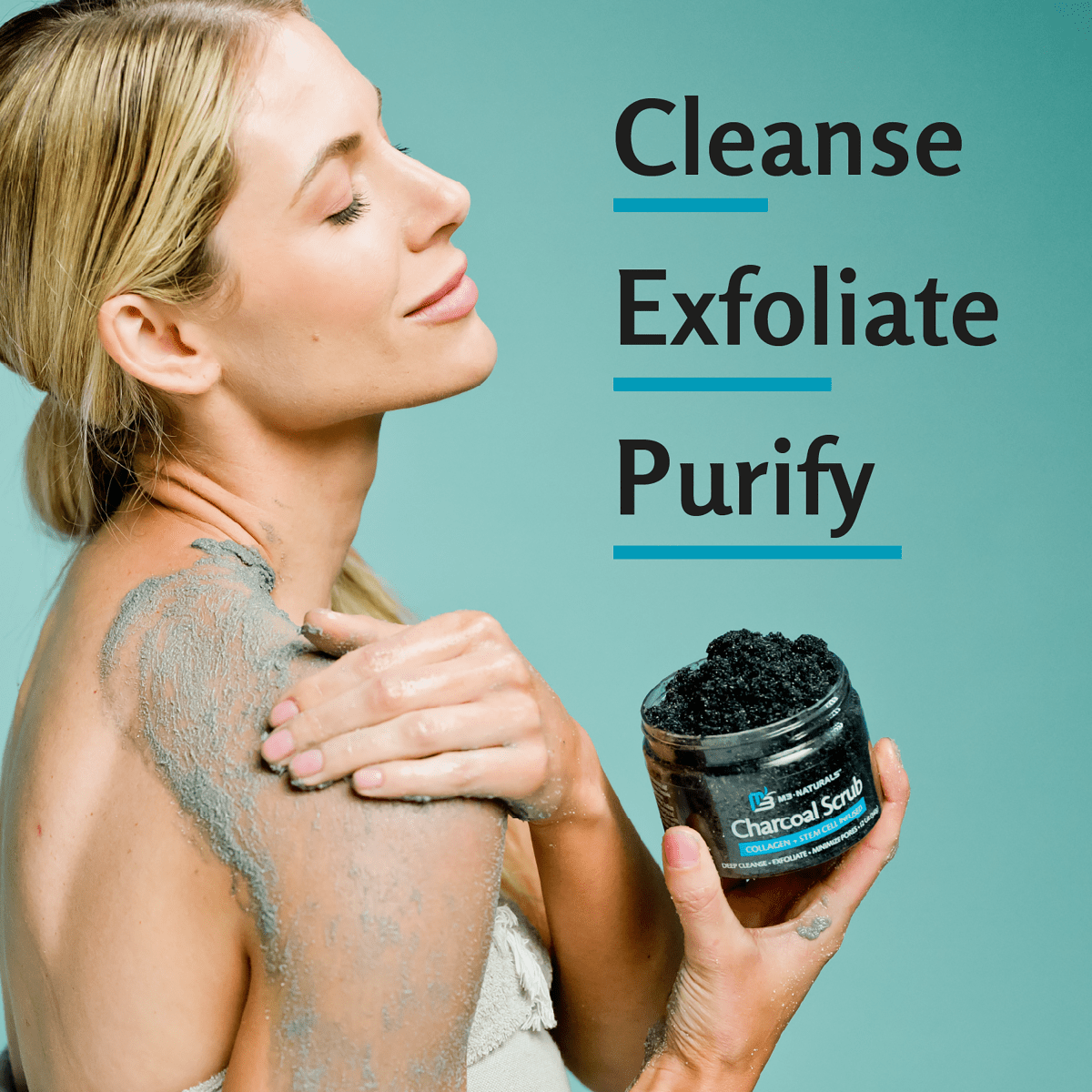
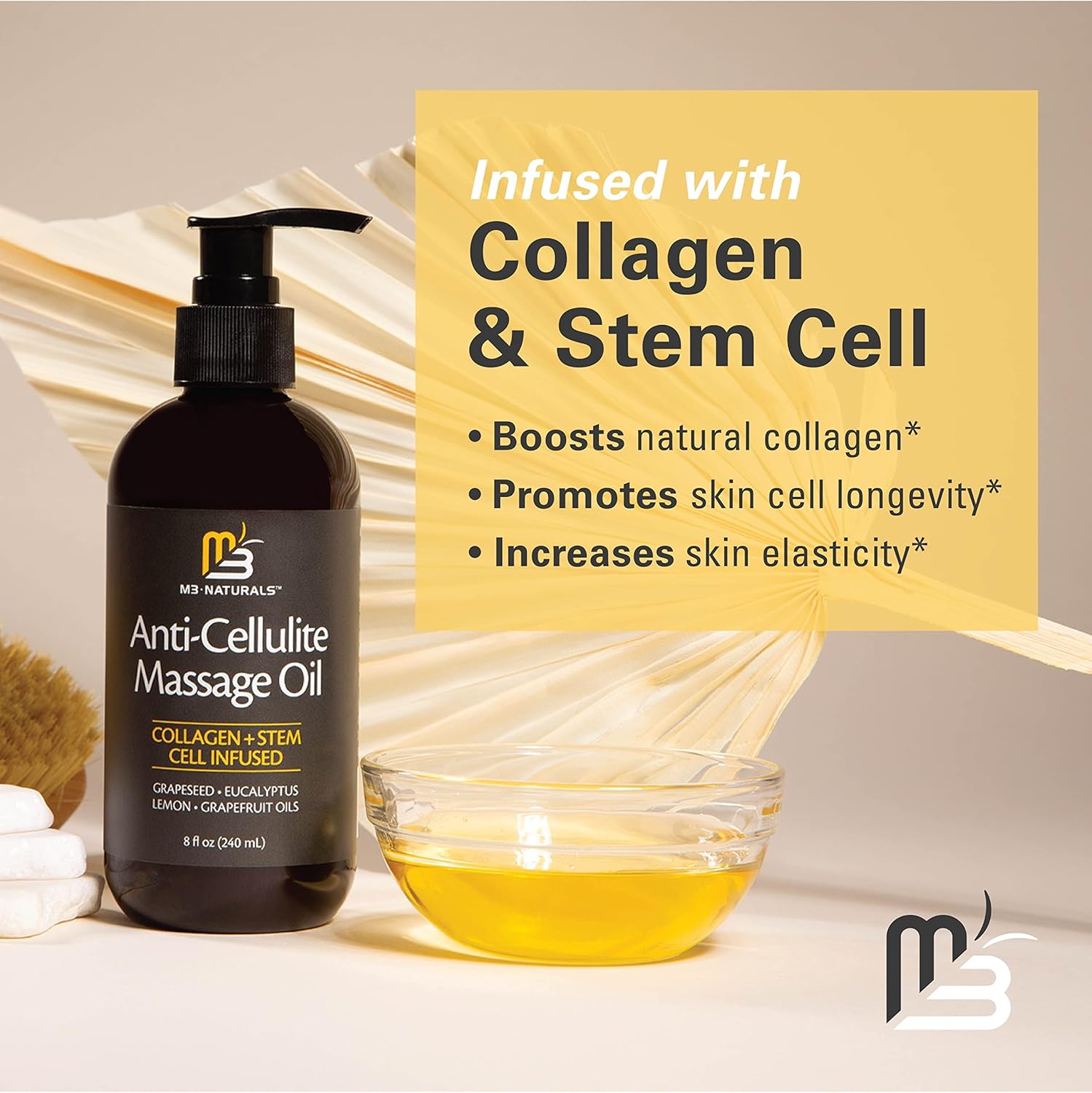
Start with the M3naturals body scrub collection, formulated with charcoal, coconut oil, and botanical extracts to remove post-workout buildup and leave skin visibly smoother. Follow with a recovery massage oil crafted from ethically sourced botanicals that ease muscle tension while nourishing skin at the same time. Every formula is non-comedogenic and free from harsh synthetic additives, making them ideal for skin that is sensitized after intense training. For the full range of cleansers, moisturizers, and targeted treatments, browse the complete M3naturals skincare collection.
FAQ
What is the first step in a post-workout skincare routine?
The first step is cleansing with a gentle, low-pH cleanser within 15 to 30 minutes of finishing exercise. This removes sweat, oil, and bacteria before they clog pores and cause breakouts.
Should I moisturize after every workout?
Yes, including after workouts when your skin feels oily. Skipping moisturizer causes dehydration, which triggers excess oil production and increases the risk of breakouts. Use a lightweight, non-comedogenic formula applied to damp skin.
Can I use retinol or AHAs right after a workout?
No. The skin barrier is sensitized after exercise, and applying retinoids or AHAs immediately post-workout causes irritation and redness. Use these actives in your evening routine, several hours after training.
What can I use if I can’t shower right after the gym?
Hypochlorous acid spray is the most effective option when an immediate shower is not possible. It neutralizes bacteria, reduces inflammation, and sanitizes the skin surface without disrupting its natural pH.
How often should I reapply sunscreen during outdoor workouts?
Reapply a broad-spectrum SPF 30 or higher every two hours during outdoor exercise, or immediately after heavy sweating. Sweat washes away prior applications and leaves sensitized skin exposed to UV damage.