
Natural ingredients are defined as plant-derived compounds that deliver measurable skin benefits through antioxidant activity, anti-inflammatory action, and direct moisture support. The natural ingredients skin benefits documented in clinical research go well beyond surface-level hydration. A meta-analysis across 94 studies found that antioxidant-rich natural interventions increased skin hydration by a mean difference of 2.12 and reduced trans-epidermal water loss by 0.68. That data confirms what many skincare researchers have argued for years: botanicals do not just feel good on skin. They change how skin functions at a measurable level. The challenge is knowing which ingredients work, how they are best delivered, and how to use them safely.
Which natural ingredients offer the most scientifically supported skin benefits?
The strongest evidence points to a core group of botanicals that work through multiple biological pathways at once. That multifunctional quality is what separates the best natural skincare ingredients from single-purpose synthetic actives.
Antioxidant powerhouses
- Flavonoids found in plants like green tea and citrus modulate pigmentation, oxidative stress, and inflammation simultaneously. They inhibit tyrosinase (the enzyme that drives dark spots), suppress the NF-κB inflammatory pathway, and support ceramide and lipid synthesis in the skin barrier. No single synthetic molecule does all three.
- Pomegranate extracts contain ellagitannins, anthocyanins, and fatty acids that deliver antioxidant, anti-inflammatory, moisturizing, and photoprotective effects in one ingredient. Pomegranate also shows collagen-preserving activity, which makes it relevant for both daily protection and anti-aging routines.
- Green tea polyphenols and vitamin C from plant sources protect against environmental damage and support collagen synthesis. Vitamin C brightens skin tone by interrupting melanin production at the source.
Soothing and moisturizing agents
- Aloe vera polysaccharides form a film on the skin surface that slows water evaporation. They also carry mild anti-inflammatory compounds that calm redness after sun exposure or irritation.
- Jojoba oil mimics the skin’s own sebum because its fatty acid profile is structurally similar to human skin lipids. That similarity allows it to absorb without clogging pores, making it suitable for oily and dry skin types alike.
- Chamomile bisabolol and azulenes reduce redness and sensitivity by blocking prostaglandin production. Chamomile is one of the few herbal ingredients for skin with a long safety record across sensitive skin populations.
Pro Tip: When reading a product label, look for the Latin botanical name (e.g., Camellia sinensis for green tea) in the INCI ingredient list. That confirms you are getting the actual plant extract, not a synthetic fragrance designed to smell like it.
The multi-pathway benefits of natural ingredients like flavonoids and pomegranate extracts are a genuine advantage over many synthetic alternatives. A single botanical can address hydration, pigmentation, and inflammation in one application step.
How do formulation and delivery systems affect natural ingredient effectiveness?
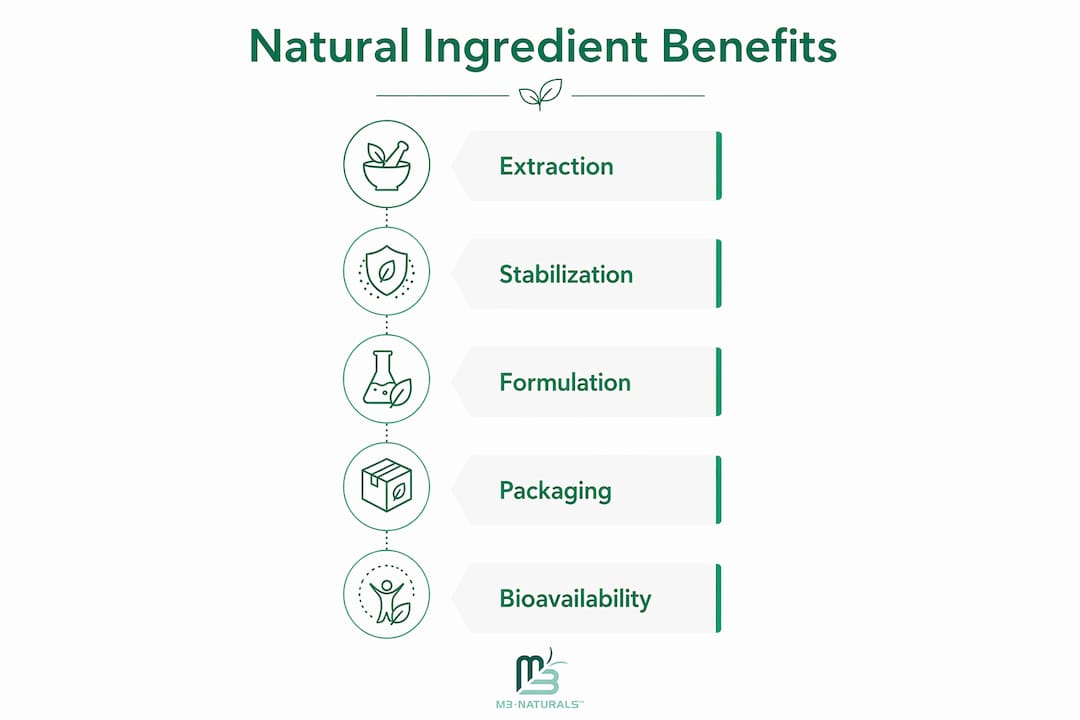
Raw botanical extracts face a real problem: many of them cannot reach the skin layers where they need to work. Low bioavailability and chemical instability are the two biggest barriers between a natural ingredient and a clinical result.
-
Stability challenges. Plant compounds like polyphenols oxidize quickly when exposed to air, light, or heat. A green tea extract left in a poorly sealed jar loses potency before it reaches your skin. This is why packaging matters as much as the ingredient list.
-
Penetration limits. The skin’s outer layer (the stratum corneum) is designed to keep things out. Many botanical molecules are too large or too water-soluble to cross it without help. Raw botanical ingredients suffer from low bioavailability without formulation support.
-
Nanocarrier delivery. Nanoemulsions and nanogels improve permeation and allow sustained release of active phytochemicals into deeper skin layers. Products using nanocarrier technology deliver more of the active compound to the site where it works, rather than leaving it sitting on the surface.
-
Encapsulation. Encapsulating fragile compounds like vitamin C or pomegranate polyphenols protects them from oxidation during storage and releases them gradually after application. This extends both shelf life and skin contact time.
-
Choosing well-formulated products. A product that lists aloe vera or chamomile extract as its tenth ingredient delivers far less benefit than one where those compounds appear near the top of the INCI list and are supported by a delivery system designed to protect them.
Pro Tip: Look for products stored in opaque or airless pump packaging. Polyphenols and vitamin C degrade rapidly in clear jars exposed to light. The container is a direct signal of how seriously a brand takes ingredient stability.
Understanding herb-infused skincare mechanisms helps you evaluate whether a product is genuinely built around its botanical ingredients or simply using them as marketing labels.
How to incorporate natural ingredients safely into your skincare routine
Selecting the right products is only half the work. How you introduce and use them determines whether you get results or irritation.
Identifying quality products
Check the INCI ingredient list. Active botanicals should appear in the top half of the list, where concentrations are highest. Products from brands that publish their sourcing practices, like M3naturals with its ethically sourced ingredients, give you more confidence that potency has been maintained from harvest to bottle.
Balancing natural and synthetic actives
Neither natural nor synthetic ingredients are inherently superior. Natural ingredients excel at soothing, moisturizing, and antioxidant defense. Synthetic actives often offer greater stability and precision for targeted concerns like acne or deep wrinkles. A routine that combines both tends to outperform one built exclusively around either category.
Shelf life and storage
Natural skincare products typically last 6–12 months after opening, compared to 24 or more months for synthetic formulas. Write the opening date on each product. Expired natural products do not just lose effectiveness. They can develop irritating byproducts as compounds break down.
| Routine step | Recommended natural ingredient | Primary benefit |
|---|---|---|
| Cleansing | Aloe vera, chamomile extract | Gentle cleansing, redness reduction |
| Exfoliation | Sugar or salt scrubs with coconut oil | Dead cell removal, moisture retention |
| Treatment | Vitamin C serum, pomegranate extract | Antioxidant defense, brightening |
| Moisturizing | Jojoba oil, shea butter | Barrier support, hydration |
| Protection | Green tea polyphenols | UV-related oxidative stress defense |
Best practices for patch testing
- Apply a small amount of any new product to the inner forearm.
- Wait 24–48 hours before applying it to your face.
- Introduce one new product at a time so you can identify the source of any reaction.
- People with reactive or sensitive skin should always patch test, even with products labeled “natural” or “gentle.”
What are common misconceptions about natural skincare ingredients?
The biggest myth in natural skincare is that “natural” automatically means safe and effective. That belief leads to real mistakes.
- Natural does not equal non-irritating. Complex natural mixtures carry a higher allergy risk than single-molecule synthetic compounds. Essential oils, citrus extracts, and even chamomile can trigger contact dermatitis in sensitive skin. The chemical complexity that gives botanicals their multifunctional benefits also creates more potential sensitizers.
- Potency varies by source and storage. A pomegranate extract grown in one region and harvested at peak ripeness will contain significantly more ellagitannins than one grown under different conditions. There is no standardized potency guarantee for most botanical ingredients the way there is for pharmaceutical-grade synthetics.
- Expired natural products cause harm. Many people assume an expired natural product simply stops working. In reality, oxidized oils and degraded plant compounds can cause breakouts, stinging, or allergic reactions. The 6–12 month window is a genuine safety guideline, not a conservative estimate.
- More natural ingredients is not better. A product with 20 botanical extracts is not twice as effective as one with 10. More ingredients mean more potential sensitizers and less predictable interactions. Focused formulas with well-studied botanicals at effective concentrations outperform ingredient-list showpieces.
- Patch testing is not optional. Safety protocols like patch testing are essential given the higher allergy risk with complex natural ingredient mixtures. Skipping this step is the most common reason people blame a natural product for a reaction that was entirely preventable.
Key takeaways
Natural ingredients deliver real, measurable skin benefits when chosen for their clinical evidence, formulated for bioavailability, and introduced gradually with proper patch testing.
| Point | Details |
|---|---|
| Clinical evidence is strong | A meta-analysis of 94 studies confirms natural antioxidants improve hydration and barrier function measurably. |
| Formulation determines results | Nanocarriers and encapsulation are what turn raw botanical extracts into clinically effective actives. |
| Shelf life is a safety issue | Natural products expire in 6–12 months; using them past that point risks irritation, not just reduced efficacy. |
| Natural does not mean risk-free | Complex botanical mixtures carry higher allergy potential than single-molecule synthetics; patch testing is non-negotiable. |
| Hybrid routines outperform | Combining natural soothing and antioxidant ingredients with stable synthetic actives produces the most complete results. |
What I’ve learned from years of watching natural skincare evolve
The conversation around organic skin benefits has matured considerably, and that is mostly good news. People are asking better questions. They want to know which compounds actually work, not just which label sounds cleanest.
What I find underappreciated is the formulation gap. You can source the finest pomegranate extract on the market, but if it sits in a clear jar with no delivery system, it oxidizes before it reaches the dermis. The ingredient story and the formulation story have to match. When they do not, you are paying for marketing, not results.
I also think the natural versus synthetic debate is the wrong frame entirely. The most effective routines combine both. Natural botanicals like flavonoids and aloe vera handle hydration, soothing, and antioxidant defense beautifully. Synthetic actives handle precision. Treating them as competitors rather than complements is how people end up with routines that are either too harsh or too passive.
My practical advice: start with one or two well-formulated natural actives, patch test without exception, and give each product at least four weeks before judging results. Skin turnover takes time. The people who give up on natural ingredients after two weeks are usually the ones who never gave them a fair trial.
— SuperNatural
M3naturals: natural skincare built around ingredients that work
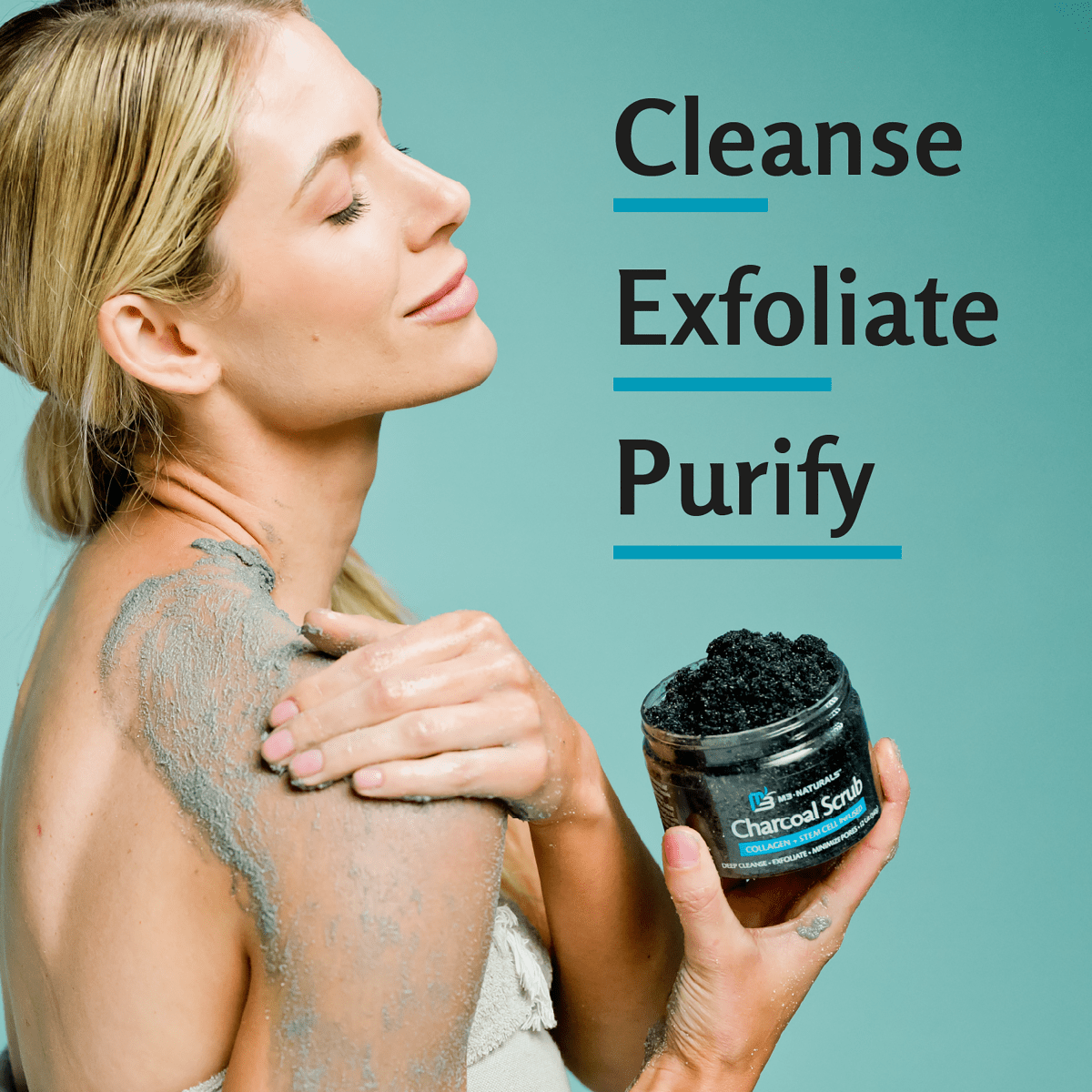
M3naturals formulates its body scrubs and skincare around botanicals with documented skin benefits, including coconut oil, turmeric, lavender, and activated charcoal. Each product is built to deliver those ingredients in formats that actually reach the skin, not just sit on the surface.
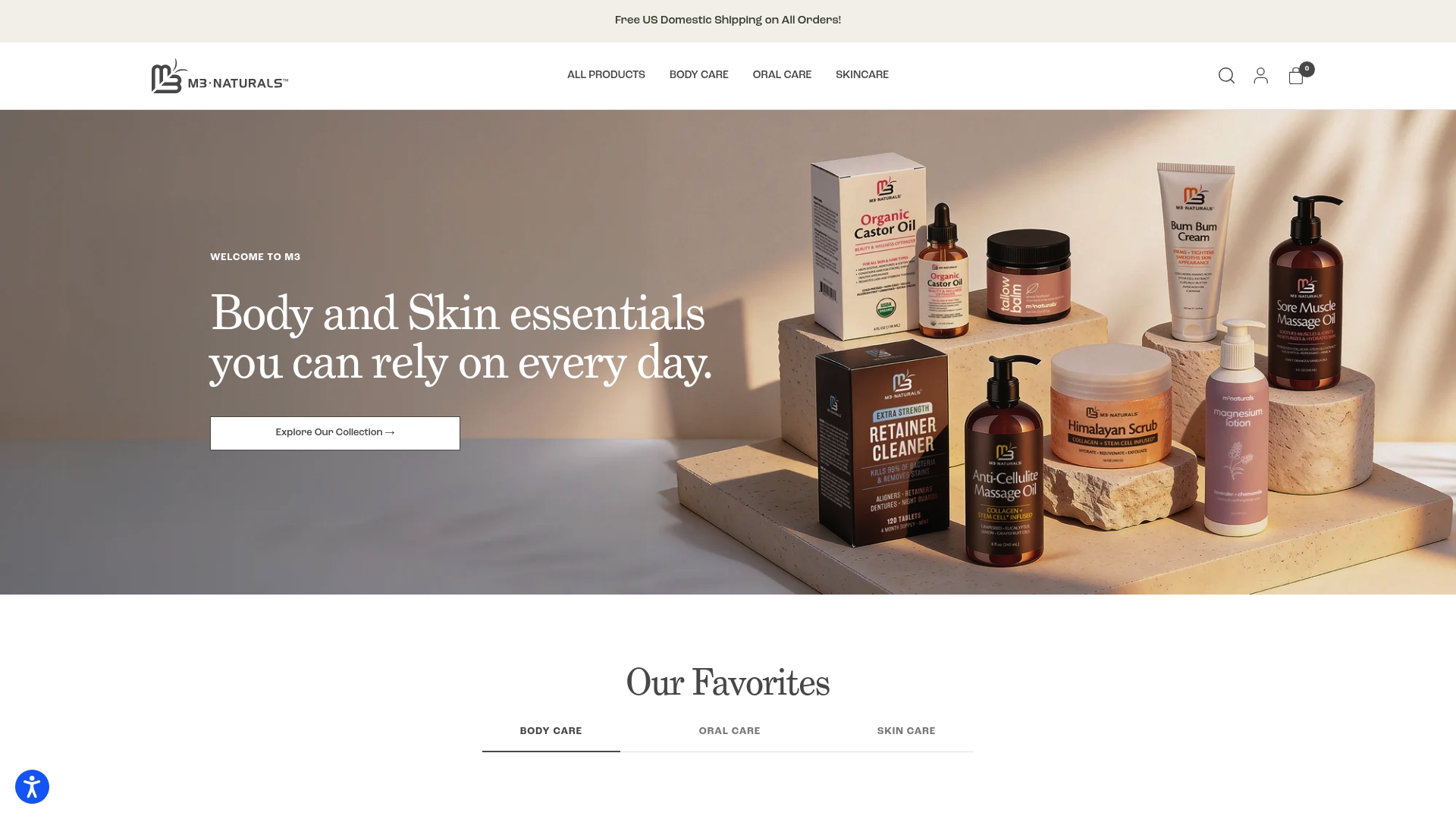
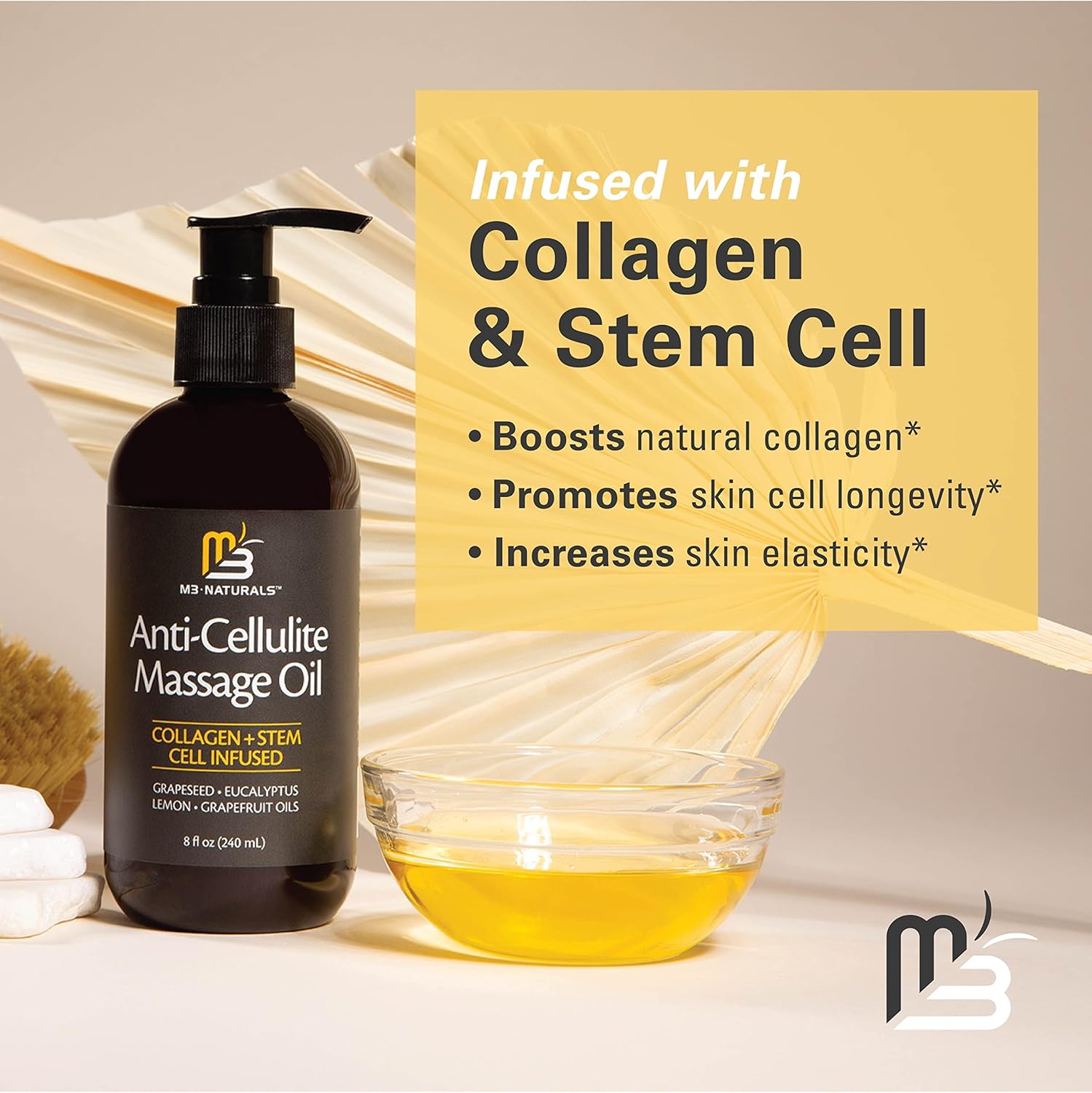
The body scrub collection pairs physical exfoliation with nourishing plant-based oils to remove dead skin cells while reinforcing moisture retention. The massage oil range uses botanical extracts chosen for their soothing and skin-conditioning properties. Every formula reflects M3naturals’ commitment to ethical sourcing and professional-grade results for everyday use.
FAQ
What are the most effective natural ingredients for skin hydration?
Aloe vera polysaccharides and jojoba oil are among the most effective natural moisturizing agents. A meta-analysis of 94 studies confirmed that antioxidant-rich natural ingredients produce measurable increases in skin hydration and reductions in water loss.
Are natural skincare ingredients safe for sensitive skin?
Natural ingredients can irritate sensitive skin because their chemical complexity raises allergy risk compared to single-molecule synthetics. Patch testing on the inner forearm for 24–48 hours before full application is the standard safety step.
How long do natural skincare products last after opening?
Natural skincare products typically last 6–12 months after opening. Using them past that window risks irritation from degraded compounds, not just reduced effectiveness.
Do natural ingredients work as well as synthetic ones?
Neither category is universally superior. Natural ingredients excel at hydration, soothing, and antioxidant defense, while synthetics offer greater stability for targeted concerns. Routines that combine both tend to produce the best overall results.
What does “bioavailability” mean in natural skincare?
Bioavailability refers to how much of an active ingredient actually reaches the skin layer where it works. Advanced delivery systems like nanoemulsions and encapsulation significantly improve the bioavailability of plant-based compounds that would otherwise stay on the skin’s surface.